
24/7 Customer Support

Free returns

Same-day & Next-day Delivery

Quality Guaranteed

Unlock Your Welcome Offers: FREE Delivery | Up to 80% OFF | Free 30-day JoyPlus trial
Download the APP
Choosing the right toy for a toddler can feel like a significant decision. You want something that will capture their attention, but you also want to know it’s safe, durable and genuinely beneficial for their growth. With so many options on the market, it’s easy to feel overwhelmed by bright packaging and bold claims.
This guide is designed to help you navigate the choices. As the Joybuy Product Recommendation Officer, my role is to cut through the clutter and provide practical advice. Here, we’ll explore what makes a great developmental toy and highlight a few standout options that balance fun with foundational learning.
Before diving into specific products, it’s helpful to have a framework for what to look for. Keeping these points in mind will help you select toys that offer lasting value and peace of mind.
The single most important factor is safety. In the UK, reputable toys should conform to specific safety standards. Look for products that meet the EN71 standard, which covers aspects like material safety, flammability and the absence of sharp edges or small parts that could pose a choking hazard. Always check the recommended age to ensure the toy is appropriate for your child's developmental stage. Materials should be non-toxic and robust enough to withstand enthusiastic play.
Developmental toys are designed to support specific skills. Montessori toys, for example, often use natural materials like wood and focus on self-directed, hands-on activities that build concentration and practical skills. Toddler sensory toys are crucial for helping little ones explore the world through touch, sight and sound. Meanwhile, larger kids activity toys and soft play equipment are excellent for developing gross motor skills, balance and coordination. Thinking about which skills you want to encourage can help narrow your search.
A toy that breaks after a few uses offers little value. Look for items made from durable materials, such as solid wood or high-quality, resilient plastics. A well-chosen toy can adapt as your child grows. A simple set of building blocks can be used for basic stacking by a younger toddler and for constructing elaborate structures by an older child. This longevity makes them a worthwhile addition to any playroom and a good choice for educational gifts for toddlers.
Based on their design, materials and play potential, here are a few recommendations that stand out for 2026.
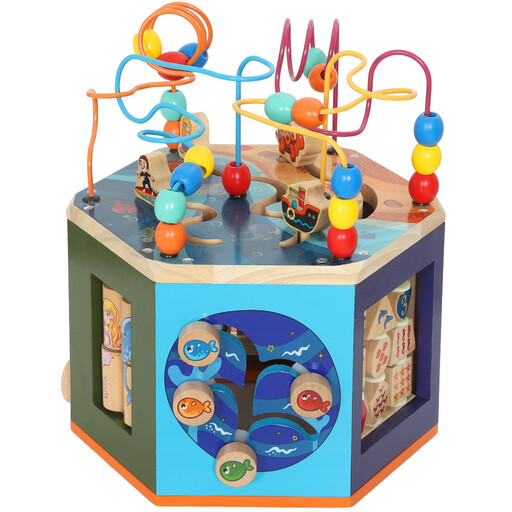
Why It Stands Out This wooden activity cube is a classic for a reason. It consolidates multiple activities into one compact station, making it ideal for a small footprint. Its Montessori-inspired approach encourages toddlers to explore at their own pace, fostering independence and problem-solving skills without overwhelming them. The combination of a bead maze, pattern sorter and number games provides a well-rounded set of challenges for developing minds.
Pros
Who is it for? This is an excellent choice for parents of toddlers aged 18 months and older who are looking for a single, high-value early learning toy. It’s perfect for encouraging quiet, focused play and developing crucial fine motor skills.
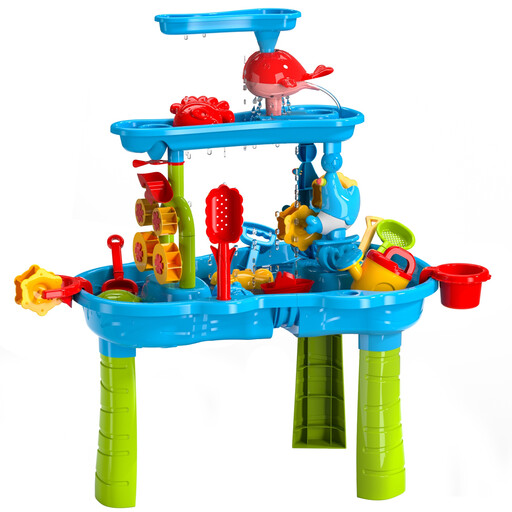
Why It Stands Out The sand and water table is a fantastic tool for sensory exploration. This particular model’s 3-tier design creates a dynamic waterfall effect that is captivating for young children. Its versatility is a major plus; it can be used outdoors in the summer for classic sand and water play or brought indoors (with sand or other sensory materials) for year-round fun. It actively encourages children to get hands-on and learn about cause and effect.
Pros
Who is it for? Ideal for children aged around 3 to 5 years who thrive on tactile, sensory experiences. It’s a perfect match for families with a garden, patio or even a balcony who want to provide engaging kids activity toys for the warmer months.
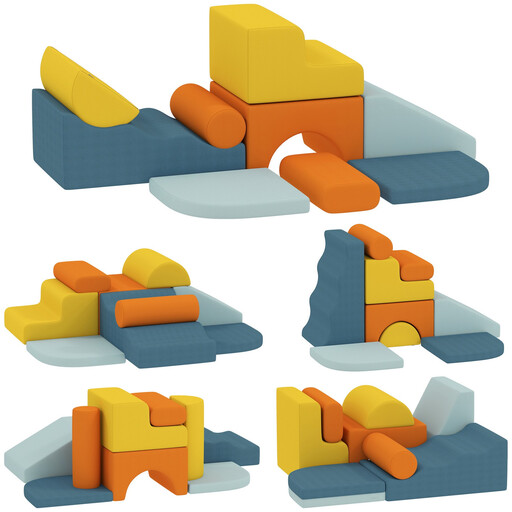
Why It Stands Out For toddlers with endless energy, this soft play equipment provides a safe and constructive outlet. It turns any room into a personal gym, allowing children to climb, crawl and build, which is fantastic for developing gross motor skills, balance and spatial awareness. The nine modular pieces can be rearranged into countless configurations, sparking creativity and problem-solving as children design their own obstacle courses and forts.
Pros
Who is it for? This set is designed for toddlers and young children from 18 months to 6 years. It’s a superb solution for parents looking to facilitate safe, active indoor play, especially on rainy days or in homes without easy access to outdoor space.
While the products above offer a great starting point, every child's interests are unique. If you're particularly interested in toys that encourage outdoor exploration and sensory engagement, there are many other options to consider.
For a wider selection, you can browse our full collection of sensory outdoor toys for more ideas.
1. What are Montessori toys and are they suitable for all toddlers? Montessori toys are typically simple, open-ended toys made from natural materials like wood. They are designed to encourage child-led, hands-on learning and problem-solving. While their principles are beneficial for most children, every toddler is an individual. A toy like the wooden activity cube incorporates Montessori-inspired elements that are widely appealing, but it's always best to observe your child's interests to see what they respond to.
2. How can I ensure a toy is safe for my toddler? In the UK, always look for the EN71 safety certification on the product's packaging or description. This indicates it has been tested for safety. Beyond that, physically inspect toys for smooth edges, sturdy construction and an absence of small parts that could detach, especially if your child is under three and still prone to putting objects in their mouth.
3. What are the benefits of sensory toys for toddlers?Toddler sensory toys, such as a sand and water table or a soft play set, are vital for development. They help children learn to process information through their senses—touch, sight and sound. This type of play builds neural pathways in the brain, supports the development of motor skills, and can help children regulate their emotions and focus their attention.