Shoppers who prioritise Fairtrade
If you have diabetes and want an unsweetened herbal drink, check both the exact tea and its sourcing label. A Fairtrade claim for one product does not establish the certification of every tea from the same brand.


For an unsweetened herbal drink with explicit Fairtrade positioning, Clipper Fairtrade Organic Peppermint Infusion is a specific option: Clipper lists 100% peppermint and describes it as naturally caffeine-free. Check the exact pack if you require the FAIRTRADE Mark; Pukka describes its teas as Fair for Life-certified, which is a different scheme. Diabetes UK includes unsweetened tea among drink choices for people with diabetes, but herbal tea must not replace diabetes treatment.
If you have diabetes and want an unsweetened herbal drink, check both the exact tea and its sourcing label. A Fairtrade claim for one product does not establish the certification of every tea from the same brand.
A plain infusion offers a way to have a hot drink without adding sugar. Check what goes into the finished cup: sugar, honey, syrup or juice changes it from the tea brewed with water alone.
Choose an everyday tea for its flavour, ingredients and sourcing rather than a suggested diabetes effect. Diabetes UK advises that herbal remedies should not replace a treatment plan; the NHS also warns that some herbal medicines can interact with diabetes medicines.
Decide whether the FAIRTRADE Mark is essential, then check the exact tea and how you intend to prepare it. An ethical-sourcing label and a drink's ingredients answer different questions.
Choose when: You want explicit Fairtrade product positioning alongside a simple, caffeine-free infusion; Clipper identifies its Fairtrade Organic Peppermint Infusion as 100% peppermint.
Trade-off: A single peppermint flavour offers less variety than a choice of different herbal blends; check the label on any alternative pack.
Choose when: You are open to a different named fair-trade scheme; Pukka says its teas are certified to the Fair for Life standard.
Trade-off: Fair for Life is not the FAIRTRADE Mark, so it does not by itself meet a requirement for that particular mark.
Choose when: Your immediate priority is an unsweetened brewed tea and Fairtrade certification is secondary. Diabetes UK includes unsweetened tea among drink choices for people with diabetes.
Trade-off: A plain infusion does not establish a Fairtrade sourcing claim; check the exact product if that claim matters to you.
| Priority | What to check | Your needs |
|---|---|---|
| Prepared drink | Check the ingredients and prepare the tea without added sugar if you want an unsweetened drink. Read nutrition information for the brewed infusion, rather than treating values for dry tea as values for a cup. | I want a hot drink without adding sugar, honey, syrup or juice. Diabetes UK includes unsweetened tea among drink choices for people with diabetes. |
| Sourcing label | Look for the FAIRTRADE Mark on the exact pack if that mark matters to you. Fairtrade International distinguishes its mark from other ways of identifying Fairtrade ingredients; Pukka names Fair for Life as its separate scheme. | I want to know which sourcing claim applies to the tea I am buying, rather than assuming different fair-trade labels mean the same thing. |
| Ingredients | Read the full ingredient list, particularly for blends. Clipper lists peppermint (100%) for its Fairtrade Organic Peppermint Infusion; check each different flavour on its own terms. | A single-herb peppermint tea appeals to me if I prefer a straightforward ingredient list. For a blend, I want to know what else is in it. |
| Caffeine preference | Check the caffeine statement on the exact product. Clipper describes its Fairtrade Organic Peppermint Infusion as naturally caffeine-free; do not extend that statement to every tea. | If I am avoiding caffeine, I want the particular infusion I choose to say so. |
| Health claims | Separate an everyday drink from a herbal remedy or supplement. Diabetes UK says herbal remedies should not replace a diabetes treatment plan; the NHS warns of possible interactions between some herbal medicines and diabetes medicines. | I am choosing tea as a drink, not to change my diabetes treatment. I would ask a healthcare professional before using a herbal remedy alongside medication. |
A tea can be an enjoyable drink without being a diabetes treatment. Diabetes UK says herbal remedies should never replace a treatment plan.
Choose tea for its flavour, ingredients and sourcing. Do not change prescribed treatment because of a claim about a tea or supplement.
Pukka describes its teas as Fair for Life-certified, while the FAIRTRADE Mark identifies a different scheme. The distinction matters if you require that specific mark.
Inspect the exact pack and name the certification you are looking for before choosing a tea.
Diabetes UK includes unsweetened tea among drink choices for people with diabetes. Adding sugar, honey, syrup or juice changes the prepared drink.
If an unsweetened drink is your aim, try the brewed infusion without those additions.
A blend cannot be assessed from its flavour name or wellness wording alone. The NHS warns that some herbal medicines can interact with medicines, including metformin.
Read the full ingredient list. If you are considering a herbal remedy or supplement for a health purpose while taking medication, ask a pharmacist or healthcare professional.
These references concern the specified products or brand statements, not every tea each brand makes. Check the label on the pack you intend to buy.
Clipper identifies its Organic Fairtrade Peppermint Infusion as a peppermint-only herbal tea.
Pukka says its teas are certified to the Fair for Life standard.
Twinings describes its Pure Peppermint Single Envelope as a naturally caffeine-free infusion.
Teapigs lists pure peppermint leaves for its peppermint tea.
Tesco describes its own-label Peppermint tea bags as naturally caffeine-free.
These tea-bag and herbal-tea options offer different flavours and pack formats. If a Fairtrade-certified herbal tea is your priority, check the certification on the exact pack; do not transfer Clipper's peppermint product claim to these products.
 No image available
Consider this 20-bag pack if you prefer a lemon-and-ginger tea. Check the exact pack's ingredients, sourcing label and prepared-drink information against the qualities that matter to you.
 No image available
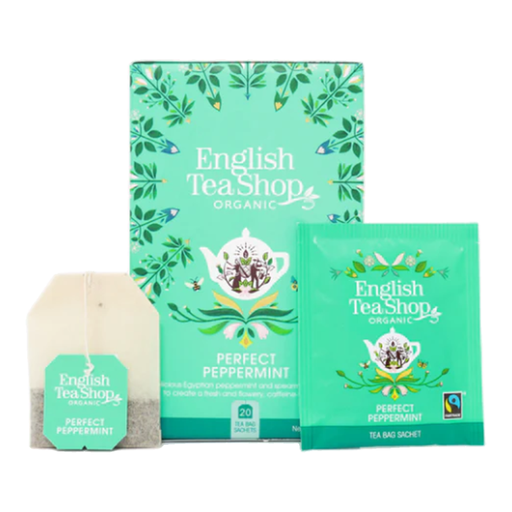
This peppermint-labelled 80-pack may suit someone who wants that flavour in a larger pack. Check this exact pack for the FAIRTRADE Mark and any brewed nutrition figures you rely on; figures for Twinings Pure Peppermint Single Envelope should not be assumed to describe this variant.
 No image available
A 20g peppermint-labelled option if that flavour appeals to you. Check the exact pack for its full ingredients and sourcing label; nutrition information for dry tea should not be treated as a value for the brewed drink.
 No image available
For a soursop tea rather than peppermint, this pack contains 20 tea bags. Check the exact pack's ingredients and sourcing label, and choose it as a drink rather than for a claimed diabetes effect.
No: the word ‘herbal’ does not tell you what is in the finished cup. Diabetes UK includes unsweetened tea among drink choices for people with diabetes. Check the tea's ingredients and remember that adding sugar, honey, syrup or juice changes the prepared drink.
No. Fairtrade concerns sourcing, not diabetes treatment. Diabetes UK says herbal remedies should never replace a diabetes treatment plan; choose an infusion as a drink, not as a reason to change your care.
Look for the FAIRTRADE Mark on the exact pack and read any explanation of which ingredients it covers. Fairtrade International distinguishes its classic mark from other labelling approaches for Fairtrade ingredients, so check the claim on the product you are buying.
No. Pukka says its teas are certified to the Fair for Life standard, a distinct scheme. If you specifically require the FAIRTRADE Mark, check the exact tea pack rather than treating a Fair for Life statement as equivalent.
Ask a pharmacist or healthcare professional before using a herbal remedy or supplement for a health purpose alongside medication. The NHS warns that some herbal medicines can interact with diabetes medicines, including metformin, and Diabetes UK advises against replacing a treatment plan with herbal remedies.