People with diabetes choosing an everyday fizzy drink
Compare sugars in the amount you expect to drink. A diet or no-added-sugar name alone does not give you the serving figure.


For an everyday fizzy drink, diet or zero-sugar lemonade is the lower-sugar choice when its current nutrition panel confirms the sugars per serving; a regular lemonade may contain sugar even if it also contains a sweetener. Check ingredients if particular sweeteners matter to you, and remember that sugar-free fizzy drinks can still contribute to dental erosion. Diet lemonade is not a substitute for the fast-acting carbohydrate used to treat a hypo, as Diabetes UK explains.
Compare sugars in the amount you expect to drink. A diet or no-added-sugar name alone does not give you the serving figure.
Keep an everyday low-sugar drink separate from the fast-acting carbohydrate specified in your diabetes care plan. Diabetes UK identifies sugary, non-diet drinks as one possible source for treating a hypo; diet lemonade does not serve that purpose.
Read the ingredients as well as the nutrition panel. This is particularly important if you need to avoid aspartame because of phenylketonuria (PKU).
Start with sugars for the portion you will drink, then check ingredients and whether the drink is intended for everyday refreshment or kept for a hypo under your care plan.
| Priority | What to check | Your needs |
|---|---|---|
| Sugars per serving | Read sugars per serving and per 100ml, noting the container size. Tesco lists less than 0.1g sugars per 330ml can for its Diet Lemonade, but 9.4g per 330ml can for its regular Lemonade. | I want a fizzy lemon drink for routine use, so the sugar figure for the amount I drink matters more than the word “diet” or the presence of a sweetener. |
| Everyday use or hypo | Distinguish a sugar-free drink from a source of fast-acting carbohydrate. Diabetes UK says a sugary, non-diet drink can be one option for treating a hypo when it provides the amount required by the person’s care plan. | If I need to plan for hypos, I cannot rely on diet or zero-sugar lemonade as my treatment. |
| Ingredients | Check the current ingredients for the sweeteners used, particularly aspartame if PKU is relevant. Compare the exact drink and pack rather than assuming all diet lemonades use the same recipe. | Sweetener choice matters to me, or I need to avoid an ingredient, so I read beyond the front label. |
| Fizzy-drink habits | Consider how often you drink fizzy lemonade, not just its sugar figure. The NHS associates carbonated drinks with dental erosion whether or not they contain sugar. | I may choose a lower-sugar fizzy drink, but I do not want to treat “zero sugar” as meaning no concern for my teeth. |
Tesco lists sucralose among the ingredients of its regular Lemonade, alongside 9.4g sugars per 330ml can.
Use the sugars line for the portion you will drink, rather than the ingredients list alone, to compare regular and diet versions.
Diet and zero-sugar lemonade do not provide the fast-acting carbohydrate needed for hypo treatment, according to Diabetes UK.
Follow your diabetes care plan for an appropriate treatment instead of relying on an everyday low-sugar drink.
The NHS associates carbonated drinks with dental erosion regardless of whether they contain sugar.
Take drinking frequency into account when choosing a fizzy drink; a lower sugar figure does not address that concern.
Recipes and nutrition information can change, which matters when you are comparing sugars or avoiding a particular ingredient.
Check the nutrition panel and ingredients on the pack you are buying.
These examples show why the exact variety and serving size matter; a brand name alone does not identify a drink’s sugar content.
A traditional lemonade brand with a Diet Lemonade multipack listed by Tesco.
Sprite Zero is a lemon-and-lime soft drink rather than a traditional lemonade.
Its diet and regular lemonades provide a direct illustration of why the variety name matters.
Its Diet Lemonade is a 2-litre bottled option.
These are zero-sugar-labelled lemon-and-lime drinks and a lemon soda to consider if you are open to a fizzy citrus alternative to traditional lemonade. Compare each current pack’s nutrition panel and ingredients before choosing.
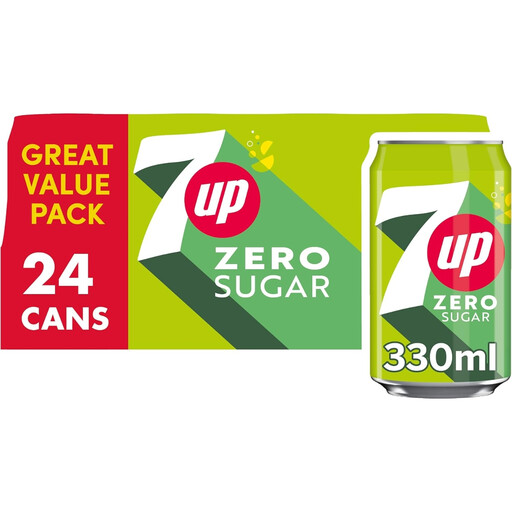 No image available
A lemon-and-lime alternative to consider for routine fizzy-drink use, not for treating a hypo.
The pack contains 24 cans of 330ml. Check the current nutrition panel and ingredients if sugar or sweetener choice matters to you.
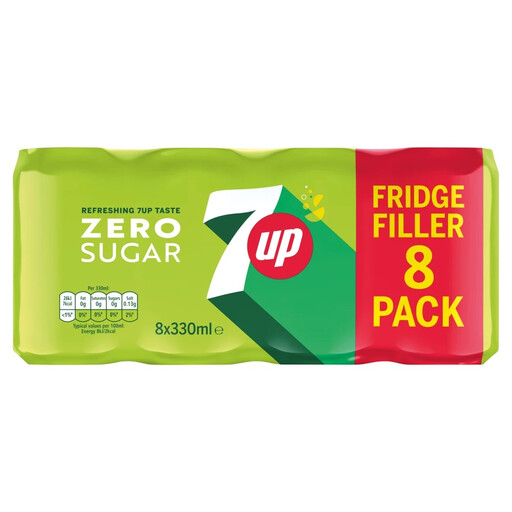 No image available
This is the smaller listed 7UP Zero pack for shoppers who prefer eight cans rather than 24.
Each can is 330ml. Read the pack’s sugars and ingredients when comparing it with lemonade.
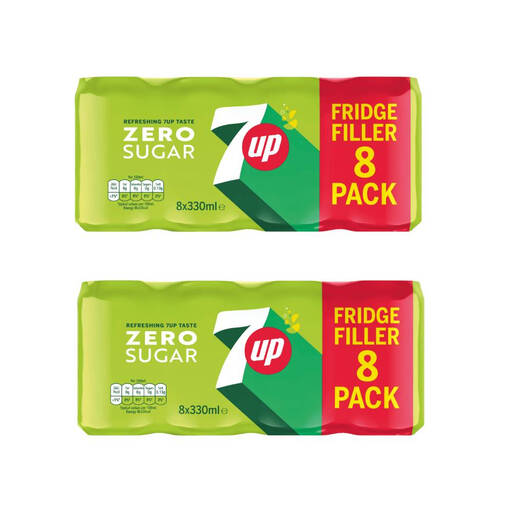 No image available
The two eight-can packs offer another format for a routine lemon-and-lime fizzy drink.
Check the current energy figure on the pack: the product information uses zero-calorie wording but also gives a figure of 2 kcal per can.
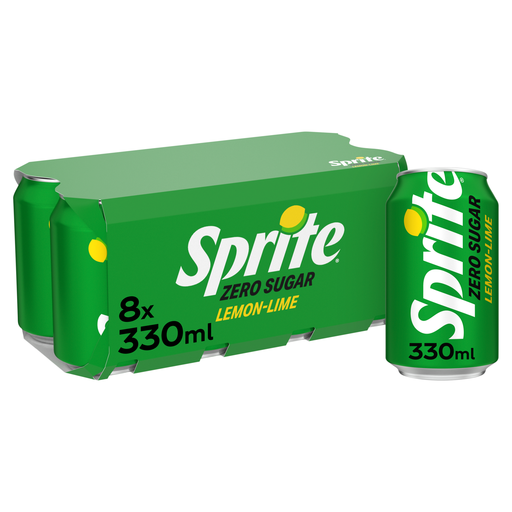 No image available
Consider this lemon-and-lime option if you are open to a drink other than traditional lemonade.
The pack contains eight 330ml cans. Check the current per-can nutrition and ingredients, particularly if you need to avoid aspartame.
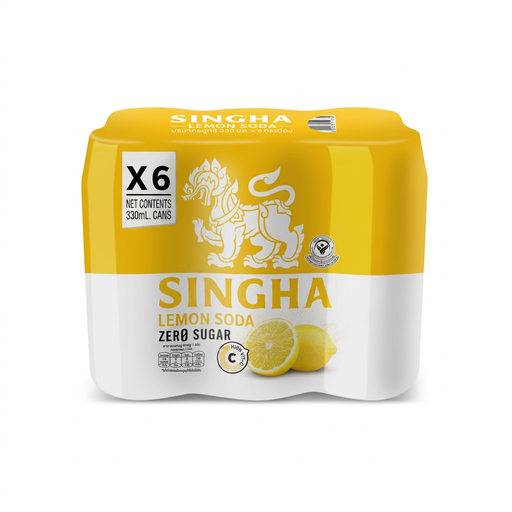 No image available
This lemon soda is a fizzy citrus option, but its name does not make it a traditional lemonade.
The pack contains six 330ml cans. Check the serving information and energy figure on the current pack when comparing drinks.
A diet lemonade can be a lower-sugar fizzy option when its current nutrition panel confirms the sugars in the amount you will drink. Diabetes UK includes sugar-free soft drinks among drinks that count towards fluid intake, while identifying water as the all-round choice.
No. Diet or zero-sugar lemonade does not supply the fast-acting carbohydrate needed for a hypo. Diabetes UK identifies sugary, non-diet drinks as one possible source; follow your own diabetes care plan for treatment.
No. Read the sugars figure on the nutrition panel rather than treating that phrase as a zero-sugar value. Tesco lists less than 0.1g sugars per 330ml can for its Diet Lemonade, while M&S lists less than 0.1g per 100g for its Diet Lemonade; the measures differ, so check the portion you will drink.
Read the ingredients on the exact pack before buying. Aspartame is unsuitable for people with phenylketonuria (PKU), and sweetener ingredients can differ between drinks.
No. The NHS associates carbonated drinks with dental erosion regardless of whether they contain sugar, so the sugar figure alone does not settle this question.