Choose a snack-bar multipack by the total carbohydrate in the amount you will actually eat, rather than by a ‘no added sugar’, protein or wholegrain claim. Kent Community Health NHS Foundation Trust uses under 10g carbohydrate as an example of a low-carbohydrate snack; the Eat Natural, Graze and nākd. variants listed by ASDA Groceries, Sainsbury’s and Tesco Groceries contain 12.5g, 13g and 15g per bar respectively. Those figures apply to those specific variants, so check the label of any other bar against your own carbohydrate plan before buying a pack.
Who is buying?
People planning lower-carbohydrate snacks
If you are comparing bars for a particular carbohydrate plan, check the total carbohydrate in one bar and in the amount you intend to eat. Diabetes UK advises looking at total carbohydrate rather than relying on front-of-pack sugar information.
People who count carbohydrate alongside insulin
Serving size matters when counting a snack’s carbohydrate against an individual insulin plan. Check whether the nutrition figures describe one bar, a pouch or another stated portion before committing to several packs.
Households buying bars in quantity
A larger pack may be convenient when several people eat the bars, but each person may need a different portion. Compare the number of bars, the nutrition per intended portion and the ingredients and allergen information for the household.
What should you check?
Start with the portion you would eat, then compare its nutrition with the pack format and ingredients. A larger pack does not change the carbohydrate in each serving.
| Priority |
What to check |
Your needs |
| Total carbohydrate |
Find total carbohydrate for the stated serving, then establish how many grams you would eat. Kent Community Health NHS Foundation Trust uses under 10g carbohydrate as an example of a low-carbohydrate snack; that is not a suitability verdict for every person. |
I need to account for the carbohydrate in my actual snack, whether that is one bar or a whole pouch. |
| Pack claims |
Read the full nutrition panel alongside claims such as ‘no added sugar’, protein or wholegrain. Tesco Groceries lists 15g carbohydrate and 13g sugars per 45g nākd. Peanut Butter Protein Bar despite its no-added-sugar claim. |
A front-of-pack claim should not stand in for the carbohydrate figure I use when choosing a bar. |
| Pack and portion |
Check the number of bars, their weights and whether the listed serving contains more than one. Nature Valley UK gives nutrition for a two-bar, 42g portion of its Crunchy Variety Family Pack: 27g carbohydrate. |
For a shared household pack, I want to know how much is in each pouch before deciding how many bars to eat. |
| Ingredients and allergens |
Read the current ingredients, allergen declaration and any ‘may contain’ statement for the exact variant. Do not use a vegan, gluten-free or protein claim to rule out other allergens. |
Everyone eating from the multipack needs a bar that meets their ingredient and allergen requirements. |
Common buying mistakes
-
Reading ‘no added sugar’ as ‘low carbohydrate’
The two statements describe different things. Tesco Groceries lists 15g carbohydrate per 45g nākd. Peanut Butter Protein Bar, which carries a no-added-sugar claim.
Compare total carbohydrate for the amount you will eat, then read the sugars figure and ingredients for further detail.
-
Assuming the labelled portion is one bar
Nature Valley UK lists 27g carbohydrate for a two-bar, 42g portion of its Crunchy Variety Family Pack. Treating that figure as nutrition for one bar would make portion planning confusing.
Check how many bars the serving contains and whether you intend to eat one or both.
-
Checking allergens only after buying a multipack
Ingredients and ‘may contain’ statements differ between the researched bars. A claim about one dietary characteristic does not settle whether a bar meets another household member’s allergen requirements.
Read the declaration for the exact variant before ordering and check the packaging when it arrives.
-
Assuming a larger pack is better value
A bar that does not fit the portions you plan to eat may not be a useful bulk purchase, regardless of how many bars are in the box.
Confirm the pack quantity and portion size first. If comparing cost, use current like-for-like prices for the same bar and pack size.
Brand and product-line references
These figures describe specific researched products, not every bar made by each brand. Check the exact flavour, weight and current pack before applying them to a purchase.
Graze
The Honey Oat Boosts listing at Sainsbury’s is a four-pack of 30g oat bars.
- Sainsbury’s lists 13g carbohydrate and 4.9g fibre per 30g Honey Oat Boost bar.
- That specific bar exceeds the under-10g low-carbohydrate snack example from Kent Community Health NHS Foundation Trust; other Graze flavours need their own label check.
Eat Natural
ASDA Groceries lists the Peanuts, Almonds & Salted Caramel protein bars in a pack of three 40g bars.
- The listed bar contains 12.5g carbohydrate and 10.4g protein per 40g.
- ASDA Groceries identifies peanuts, almonds, soya and milk in this variant. Check its full current allergen declaration before buying.
nākd.
The Peanut Butter Protein Bar is listed by Tesco Groceries as a three-pack of 45g bars.
- Tesco Groceries lists 15g carbohydrate and 13g sugars per 45g bar.
- Its no-added-sugar claim does not mean the bar has no sugars or meets an under-10g carbohydrate target.
TREK
The Original Oat Protein Flapjack is an oat-based bar listed by Ocado.
- Ocado lists 10g protein per 50g flapjack.
- The same listed flapjack contains 23g carbohydrate, so plan around that amount rather than treating its protein description as a carbohydrate measure.
Nature Valley
Nature Valley UK describes its Crunchy Variety Family Pack as 20 bars arranged in pairs.
- The 20-bar format gives households a larger quantity to divide among people or occasions.
- Nature Valley UK lists 27g carbohydrate for the specified two-bar, 42g portion and advises checking the pack as formulations can change. This figure does not describe the separate Nature Valley Protein bars below.
Alpen
Alpen is a cereal and muesli brand whose bar range requires a product-specific availability check.
- Alpen Muesli identifies several former Alpen bar lines as no longer made. Confirm the exact bar and its current nutrition information before considering a multipack.
Snack-bar multipacks on Joybuy
These are bar multipacks to compare by their own labels and intended portion. The carbohydrate figures for the specific products discussed above must not be applied to different flavours or product lines here.
 No image available
Nature Valley Protein Peanut & Chocolate Bar 4 x 40g
For a four-pack of 40g bars, check total carbohydrate per bar against the portion you plan to eat. The name identifies peanut; read the full current allergen declaration if anyone eating the bars has an allergy. Do not use the nutrition figures for Nature Valley’s separate Crunchy Variety Family Pack.
View on Joybuy
 No image available
Nature Valley Protein Salted Caramel Nut Bar 4 x 40g
This four-pack has 40g bars. Check this variant’s total carbohydrate per bar and full nut and allergen declaration; neither its protein description nor nutrition from another Nature Valley bar establishes those details.
View on Joybuy
 No image available
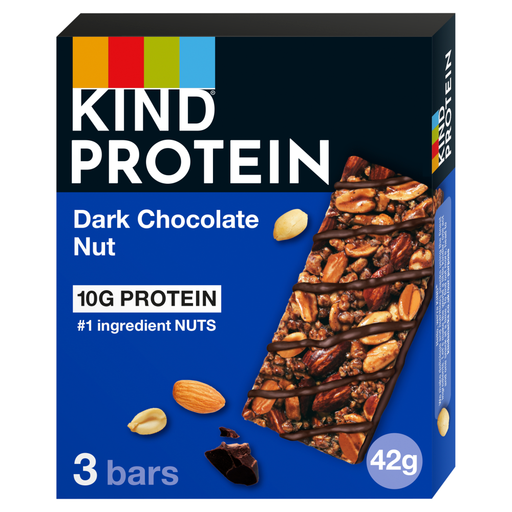
KIND Protein Dark Chocolate Nut Bars 3 x 42g
The pack contains three 42g nut bars. Compare carbohydrate for one bar with your intended snack portion, and check the exact nut ingredients and allergen statement before ordering for a household.
View on Joybuy
 No image available
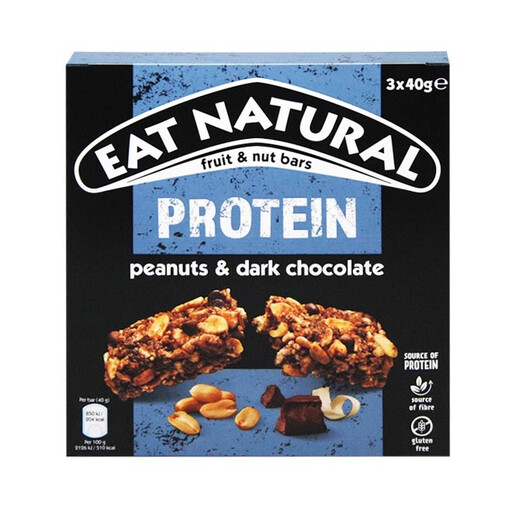
Eat Natural Energy Bar, Peanuts and Chocolate, 3 x 40g
This pack contains three 40g bars. Check its own carbohydrate figure and allergen declaration: the 12.5g carbohydrate figure discussed for Eat Natural’s Salted Caramel bar belongs to a different variant.
View on Joybuy
 No image available
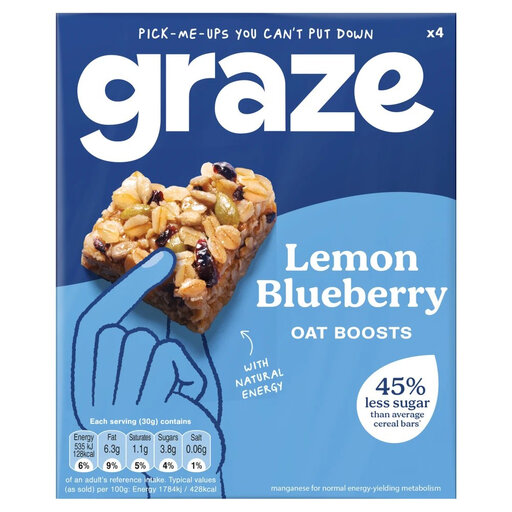
Graze Oat Boosts Lemon Blueberry 4 x 30g
The pack contains four 30g bars. Use the Lemon Blueberry nutrition panel when comparing portions; the 13g carbohydrate figure for Graze Honey Oat Boosts does not establish the amount in this flavour.
View on Joybuy
Frequently asked questions
Is a snack-bar multipack automatically suitable for someone with diabetes?
No: the pack format or a ‘diabetic friendly’ description does not establish whether a particular portion fits someone’s carbohydrate plan. Diabetes UK advises against treating ‘diabetic’ food labels as a substitute for assessing the food; check the exact bar’s total carbohydrate and the amount you intend to eat.
Which nutrition figure should I check first?
Start with total carbohydrate for the amount you will eat. Diabetes UK notes that front-of-pack traffic-light labels do not show total carbohydrate. Kent Community Health NHS Foundation Trust uses under 10g carbohydrate as an example of a low-carbohydrate snack, but an individual insulin plan may require a different approach.
Does ‘no added sugar’ mean a bar is low in carbohydrate?
No. Tesco Groceries lists 15g carbohydrate and 13g sugars per 45g nākd. Peanut Butter Protein Bar alongside its no-added-sugar claim. Read the total-carbohydrate figure for the exact bar instead of using the claim to estimate it.
Can I use an online nutrition panel when ordering a multipack?
Use the panel to compare exact variants, then check the packaging when the bars arrive. Nature Valley UK advises checking its packs because formulations can change; also confirm that the stated serving matches the number of bars you will eat.
What should a household check about allergens?
Check the current ingredients and allergen declaration for each exact variant, including any ‘may contain’ statement. For example, ASDA Groceries identifies peanuts, almonds, soya and milk in the researched Eat Natural Peanuts, Almonds & Salted Caramel bar. Do not transfer that declaration to a different flavour or assume a vegan or gluten-free claim covers other allergens.


