Hosts serving guests who avoid caffeine
Choose an explicitly caffeine-free variant rather than relying on a diet or zero-sugar name.


If anyone at brunch needs to avoid caffeine, choose a cola explicitly labelled caffeine-free: ‘diet’ and ‘zero sugar’ do not mean the same thing. If caffeine is acceptable, a standard zero-sugar cola is another option; in either case, check the exact pack’s sugars, sweeteners and serving format before choosing for a group.
Choose an explicitly caffeine-free variant rather than relying on a diet or zero-sugar name.
Check the sugars figure on the exact pack, then decide whether its caffeine and sweeteners suit the people drinking it.
Consider whether individual cans or larger bottles suit the table, and ask about flavour and caffeine preferences before choosing one large pack.
Start with any caffeine requirement, then compare the sugars and ingredients on the exact variant. Pack format matters when several people are sharing a Sunday brunch.
| Priority | What to check | Your needs |
|---|---|---|
| Sugars | Read sugars per 100ml. Coca-Cola Great Britain lists 0g for Coca-Cola Zero Sugar; Pepsi UK lists 0g for Pepsi Max. Tesco lists less than 0.1g for its Caffeine Free Diet Cola. | I want a cola-style drink without choosing a sugary fizzy drink. I’ll check the figure for the variant being served. |
| Caffeine | Look for an explicit caffeine-free claim. Coca-Cola Zero Sugar, Pepsi Max and Diet Pepsi list caffeine; Pepsi Max No Caffeine, Diet Coke No Caffeine and Tesco Caffeine Free Diet Cola are distinct variants. | Someone at the table is avoiding caffeine, so a standard zero-sugar cola will not meet that requirement. |
| Sweeteners | Read the current ingredients and any phenylalanine notice. Coca-Cola Great Britain and Pepsi UK list aspartame in the named branded variants; Tesco lists sucralose in its Caffeine Free Diet Cola. | If a guest has phenylketonuria (PKU), I need to check for aspartame. The NHS says aspartame is unsuitable for people with PKU. |
| Serving format | Compare the stated can or bottle size and the number in the pack. Check that the format belongs to the caffeine and flavour variant you intend to serve. | Individual cans may be easier to offer alongside other drinks; larger bottles suit a table where guests will share one variant. |
| Acidity | Do not treat a zero-sugar label as a claim that a fizzy drink is tooth-neutral. The NHS associates carbonated drinks with dental erosion regardless of sugar or sweetener content. | I want other drinks available too, rather than assuming sugar-free cola answers every consideration about fizzy drinks. |
Standard Coca-Cola Zero Sugar, Pepsi Max and Diet Pepsi list caffeine, while caffeine-free versions have distinct names.
If a guest avoids caffeine, choose a pack explicitly labelled caffeine-free and check its ingredients.
The NHS associates fizzy drinks with dental erosion because of acidity, including drinks without sugar.
Offer water alongside cola at brunch rather than treating the sugar claim as the only drink consideration.
The NHS says aspartame is unsuitable for people with PKU. Several of the named branded diet and zero-sugar colas list it.
For a guest with PKU, check the exact product’s current ingredients and phenylalanine notice before serving it.
A caffeine-free variant and a standard variant will not meet the same requirements for every guest. Recipes can also change, as Tesco notes on its food listings.
Confirm the variant and current label before choosing a shared pack; if preferences differ, consider offering more than one drink.
These product-line references help distinguish variants; they do not describe every drink made by each brand.
Coca-Cola Zero Sugar and Diet Coke No Caffeine serve different caffeine preferences.
Pepsi Max No Caffeine is a distinct choice from standard Pepsi Max and Diet Pepsi.
Tesco Caffeine Free Diet Cola offers an own-label, 2L bottle for sharing.
These packs cover caffeine-free and standard zero-sugar branded colas for a shared brunch. Check each pack’s label if caffeine or a particular sweetener matters to a guest.
 No image available
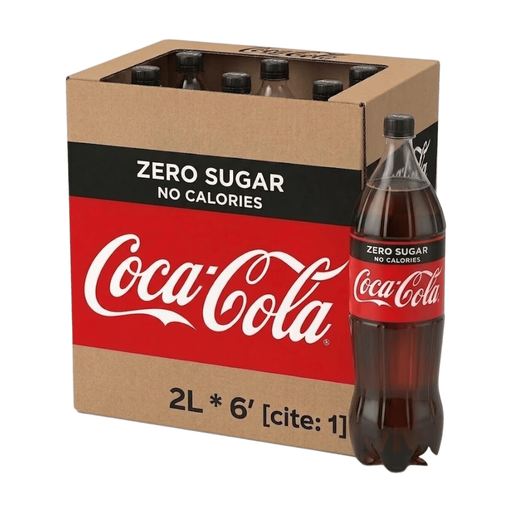
Six 2L bottles provide a sharing format for guests choosing Coca-Cola Zero Sugar. Coca-Cola Great Britain lists caffeine for this drink, so check the pack if anyone needs a caffeine-free option.
 No image available
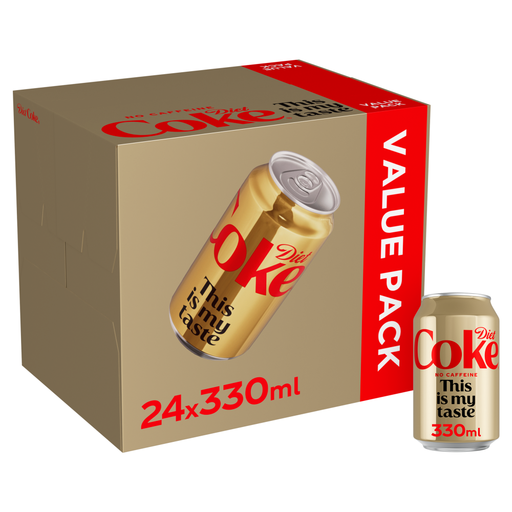
The caffeine-free variant comes as 24 individual 330ml cans for serving at the table. Check this pack’s current sugars and ingredients, particularly if a guest needs to avoid aspartame.
 No image available
Twenty-four 330ml cans offer individual servings of the caffeine-free variant. Pepsi UK describes Pepsi Max No Caffeine as having no sugar and no caffeine; the Joybuy listing for this pack states 0g sugars per 100ml and lists aspartame.
 No image available
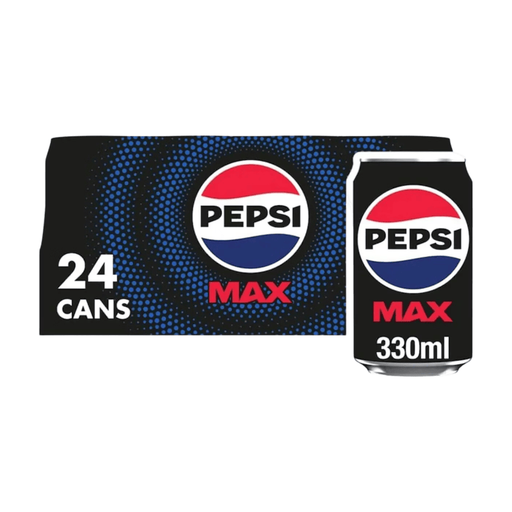
This 24-can pack suits a table where guests want the standard Pepsi Max variant. Pepsi UK lists 0g sugars per 100ml for Pepsi Max and includes caffeine in its ingredients; choose the separately named caffeine-free variant when needed.
 No image available
Twenty-four 330ml cans offer individual servings of Coca-Cola Zero Sugar. The Joybuy listing for this pack states 0g sugars per 100ml and lists caffeine and aspartame.
No. Coca-Cola Zero Sugar, Pepsi Max and Diet Pepsi list caffeine. If a brunch guest avoids it, look for an explicitly caffeine-free variant such as Pepsi Max No Caffeine, Diet Coke No Caffeine or Tesco Caffeine Free Diet Cola.
Check for aspartame and a phenylalanine notice on the exact pack. The NHS says aspartame is unsuitable for people with phenylketonuria (PKU); the named Coca-Cola and Pepsi diet or zero-sugar variants list aspartame.
No. The NHS associates carbonated drinks with dental erosion regardless of their sugar or sweetener content. A zero-sugar label describes sugar content, not acidity.
Choose cans if individual servings and offering different drinks suit your table; consider larger bottles when guests will share the same variant. Confirm the caffeine claim and ingredients on the exact format you choose.