Families replacing sugary cola
If cola is an occasional addition to a holiday snack, a zero-sugar version addresses the sugar in that drink choice. Taste and caffeine still matter when choosing a variant.


For an occasional cola with school-holiday snacks at home, a zero-sugar version is an option when replacing sugary cola; choose a specifically caffeine-free variant if avoiding caffeine matters. Taste preferences can then help distinguish Diet Coke from Coca-Cola Zero Sugar or Pepsi MAX. The NHS identifies water and milk as the best drinks for children, so cola is not the everyday drink choice.
If cola is an occasional addition to a holiday snack, a zero-sugar version addresses the sugar in that drink choice. Taste and caffeine still matter when choosing a variant.
Look beyond the words ‘diet’ and ‘zero sugar’. Diet Coke Caffeine Free and Pepsi MAX Caffeine Free are distinct options for shoppers who want a cola without caffeine.
Decide whether cola belongs in the snack shop at all. The NHS identifies water and milk as the best drinks for children; switching from sugary cola to zero-sugar cola does not make it the everyday drink choice.
Start with the drink’s role in the household, then check sugar, caffeine and ingredients before choosing a flavour.
| Priority | What to check | Your needs |
|---|---|---|
| Sugar | Compare sugars per 100ml on the exact pack. The Coca-Cola and Pepsi zero-sugar varieties discussed here are specified as having 0g sugars per 100ml. | I want an occasional cola-style drink without the sugar in regular sugary cola. |
| Caffeine | Check for ‘Caffeine Free’ in the variant name and read its ingredients. Standard Coca-Cola Zero Sugar, Diet Coke and Pepsi MAX contain caffeine or caffeine-containing flavourings. | For this snack shop, avoiding caffeine matters as well as avoiding sugar. |
| Flavour | Coca-Cola describes Zero Sugar as closer to Coca-Cola Original Taste and Diet Coke as a different, lighter flavour. These are the brand’s descriptions, not a taste-test result. | Once sugar and caffeine are settled, I would choose the cola flavour the household prefers rather than assume diet and zero-sugar versions taste alike. |
| Ingredients | Read the sweetener ingredients and any ‘contains a source of phenylalanine’ statement on the exact variant. Check the pack when an individual has ingredient-specific dietary instructions. | Someone in the household needs the ingredient information checked before the drink is served. |
| Everyday drinks | Keep an occasional cola choice separate from routine drinks for children. The NHS identifies water and milk as the best drinks to give children. | I am buying for children and need a routine drink as well as deciding whether to include a cola treat. |
A switch from sugary cola changes the sugar in that cola choice, but the NHS identifies water and milk as the best drinks for children.
Choose routine drinks separately, and decide whether an occasional cola belongs with the snacks.
Standard Diet Coke, Coca-Cola Zero Sugar and Pepsi MAX contain caffeine or caffeine-containing flavourings.
If avoiding caffeine matters, choose a specifically named caffeine-free variant and check the pack’s ingredients.
The zero-sugar products discussed here contain sweeteners and carry a statement that they contain a source of phenylalanine.
Read the label on the exact variant, particularly if someone has ingredient-specific dietary instructions.
The Department for Education describes England’s school-food standards as applying to food and drink provided to pupils on school premises. Buying snacks for home during the holidays is a different setting.
If the drinks are instead being provided at a school, check the rules for that setting rather than using a home-shopping decision as the basis.
These brand descriptions help distinguish particular cola variants; they do not establish how every drink from either brand tastes or what it contains.
Coca-Cola describes Zero Sugar as closer to Coca-Cola Original Taste, while Diet Coke has a different, lighter flavour profile.
Pepsi MAX, Diet Pepsi and Pepsi MAX Caffeine Free provide different named routes through the Pepsi cola range.
These canned multipacks offer caffeine-free, Diet Coke and other zero-sugar cola options for an occasional snack shop at home. Choose by caffeine requirement and flavour preference, then check the exact pack label.
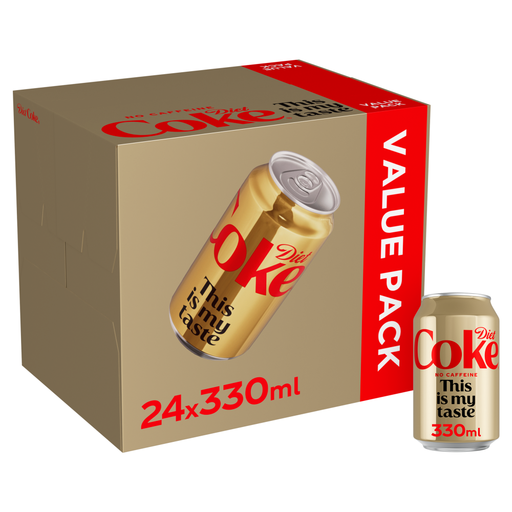 Image unavailable
A Diet Coke option for an occasional home snack when avoiding both sugar and caffeine matters. This pack contains 24 cans of 330ml; check its sweeteners and phenylalanine statement if relevant to your household.
 Image unavailable
This Pepsi MAX variant addresses a preference for cola without sugar or caffeine. The pack contains 24 cans of 330ml; read its sweetener ingredients and phenylalanine statement where relevant.
 Image unavailable
A zero-sugar Pepsi MAX option for shoppers who are not seeking a caffeine-free cola. This pack contains 24 cans of 330ml; its flavourings include caffeine, and its ingredients include sweeteners.
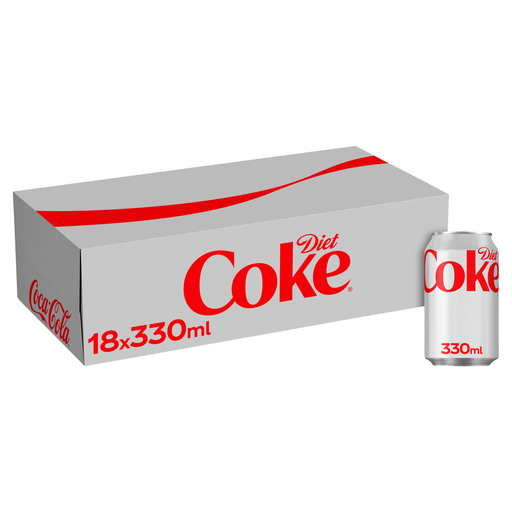 Image unavailable
Choose this zero-sugar variant if the household prefers Diet Coke’s distinct flavour and does not need to avoid caffeine. The pack contains 18 cans of 330ml; check its sweeteners and phenylalanine statement on the label.
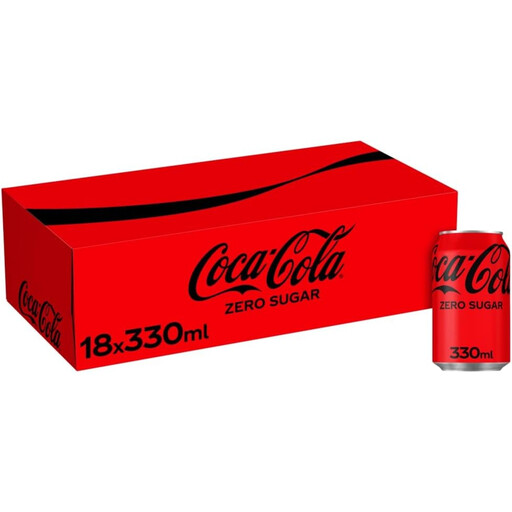 Image unavailable
This zero-sugar cola is described by Coca-Cola as closer in taste to Coca-Cola Original Taste. The pack contains 18 cans of 330ml; this variant contains caffeine, so choose a specifically caffeine-free product if needed.
No. The NHS identifies water and milk as the best drinks for children. Zero-sugar cola changes the sugar in a cola choice, but it does not replace those everyday drinks.
Coca-Cola describes both as sugar-free, but says Zero Sugar is intended to taste closer to Coca-Cola Original Taste and Diet Coke has a different, lighter flavour. Choose by taste preference after checking the exact variant’s caffeine and ingredients.
No. Standard Coca-Cola Zero Sugar, Diet Coke and Pepsi MAX contain caffeine or caffeine-containing flavourings. If avoiding caffeine matters, look for a specifically named variant such as Diet Coke Caffeine Free or Pepsi MAX Caffeine Free and check its pack.
Check sugars per 100ml, caffeine in the ingredients, sweeteners and any statement that the drink contains a source of phenylalanine. Read the exact variant’s label, particularly if someone has ingredient-specific dietary instructions.
No: buying snacks for home is different from providing drinks to pupils at school. The Department for Education says England’s school-food standards apply to food and drink provided to pupils on school premises; check the applicable rules if you are buying for that setting.