Gym-goers packing a fizzy snack drink
A can of diet or zero-sugar cola can provide a cola-flavoured drink without the sugar of a regular cola. Pack water separately for fluid replacement during and after exercise, as the NHS advises.


For a fizzy gym-bag snack drink, choose a diet or zero-sugar cola with caffeine if that suits you, or one explicitly labelled caffeine-free if you avoid it. Carry water separately for exercise: the NHS identifies water as the best way to replace fluids lost through physical activity. Check the exact can or bottle for sugar content, ingredients and any phenylalanine warning.
A can of diet or zero-sugar cola can provide a cola-flavoured drink without the sugar of a regular cola. Pack water separately for fluid replacement during and after exercise, as the NHS advises.
Some standard zero-sugar colas list caffeine, while separately labelled caffeine-free versions are available. If caffeine is the deciding factor, check the exact variant rather than relying on the words ‘diet’ or ‘zero sugar’.
Several of the colas discussed here carry a ‘contains a source of phenylalanine’ warning. Check the current label of the individual product when that warning matters to your dietary requirements.
Start with the sugar and caffeine labels, then decide what to pack for exercise hydration and whether the ingredients and can format suit your plans.
| Priority | What to check | Your needs |
|---|---|---|
| Sugar content | Check whether the exact variant says diet, zero sugar or no added sugar. Compare sugars per 100ml and per serving on its nutrition label. | I want a cola-flavoured snack drink without choosing a regular sugary cola. The label helps me compare the actual cans on offer. |
| Caffeine | Read the ingredients and look for an explicit caffeine-free label if needed. Coca-Cola Zero Sugar and Pepsi Max standard variants list caffeine or caffeine flavouring in the product information cited by ASDA Groceries and Pepsi UK. | For a drink later in the day, or if I avoid caffeine, I would choose a variant specifically marked caffeine-free rather than assume every diet cola qualifies. |
| Exercise hydration | Pack water separately. The NHS identifies water as the best way to replace fluids lost through physical activity and notes that longer periods of activity can increase fluid needs. | I want a fizzy drink with a snack, but I still need water available during and after exercise. |
| Ingredients and acidity | Check sweeteners and any phenylalanine warning on the current label. Northumbria Healthcare NHS Foundation Trust notes that sugar-free fizzy drinks are still acidic and can cause tooth erosion. | If a label warning matters to me, I need to inspect this particular product. I also do not want to mistake zero sugar for a reason to sip cola continuously through a workout. |
| Can format | Check the volume of each can and the number in the pack; the Joybuy options below include 330ml cans in different pack sizes. | One can can go in my bag for a snack, while the rest of a multipack stays at home. |
Choosing a drink for its sugar label does not answer what to carry for fluid replacement. The NHS identifies water as the best way to replace fluids lost through physical activity.
Pack water first, then add a diet or zero-sugar cola if you want a separate fizzy snack drink.
The standard Coca-Cola Zero Sugar and Pepsi Max variants described by ASDA Groceries and Pepsi UK list caffeine or caffeine flavouring; their caffeine-free variants are labelled separately.
If you avoid caffeine, check the name and ingredients of the exact can before buying.
Northumbria Healthcare NHS Foundation Trust notes that sugar-free fizzy drinks remain acidic and can cause tooth erosion.
Avoid sipping cola continuously through a workout; carry water alongside it.
Colas with similar diet or zero-sugar names can differ in caffeine, sweeteners, label warnings and pack size.
Confirm the current ingredients and nutrition label, then check that the can size and pack quantity are what you intended to buy.
These examples help distinguish labelled variants; a brand name alone does not establish the ingredients of every cola it sells.
Coca-Cola Zero Sugar and Coca-Cola Zero Sugar Zero Caffeine provide distinct choices when caffeine matters.
Pepsi Max and Pepsi Max Caffeine Free offer a similar choice between a standard and an explicitly caffeine-free variant.
Tesco Diet Cola is an own-brand option for shoppers considering a no-added-sugar cola.
These canned diet and zero-sugar colas offer caffeinated and explicitly caffeine-free choices for a gym-bag snack. Keep water as your exercise drink.
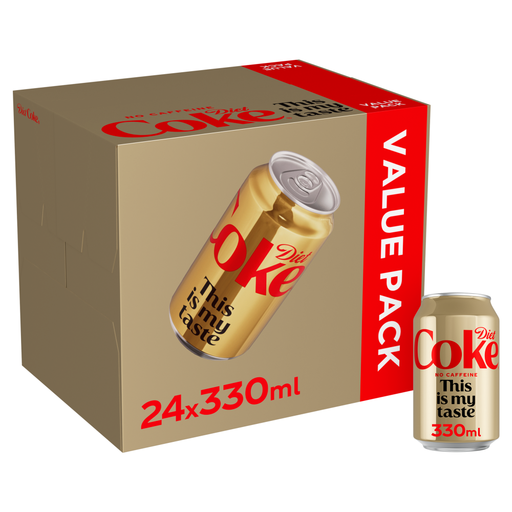 No image available
A caffeine-free Diet Coke option if you want to pack one can as a separate snack drink. The product information carries a phenylalanine warning; check the current label if it matters to you.
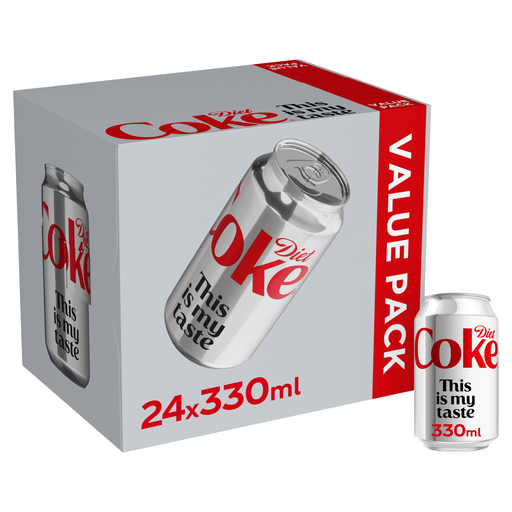 No image available
Individual cans suit a packed snack when you are not seeking a caffeine-free cola. This variant contains caffeine and carries a phenylalanine warning; check the current label for either requirement.
 No image available
An explicitly caffeine-free cola in individual cans for a gym-bag snack. The product information carries a phenylalanine warning, so check the current label if that affects your choice.
 No image available
A standard Pepsi Max can for a snack if caffeine suits you; it is not the caffeine-free variant. Check the current label if its caffeine content or phenylalanine warning matters to you.
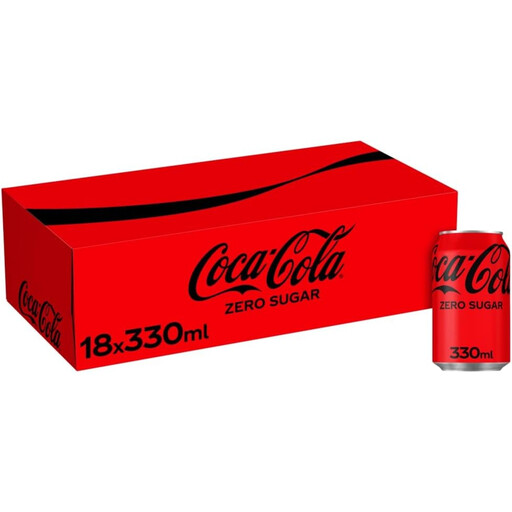 No image available
An 18-pack of individual cans for a cola-flavoured snack drink. This variant contains caffeine and carries a phenylalanine warning; choose an explicitly caffeine-free variant instead if needed.
Carry water as your main drink for exercise-related fluid loss. The NHS identifies water as the best way to replace fluids lost through physical activity; a diet cola can be a separate fizzy snack drink.
No. Product information from ASDA Groceries and Pepsi UK identifies caffeine or caffeine flavouring in the standard Coca-Cola Zero Sugar and Pepsi Max variants. If you avoid caffeine, choose an exact variant explicitly labelled caffeine-free and check its current ingredients.
No: zero sugar does not remove acidity. Northumbria Healthcare NHS Foundation Trust notes that sugar-free fizzy drinks can cause tooth erosion, so do not treat cola as something to sip continuously through a workout.
Check the warning on the exact product before buying if it is relevant to your dietary requirements. Several of the researched zero-sugar colas carry a ‘contains a source of phenylalanine’ warning; a product name alone does not tell you whether that warning appears on your chosen variant.