What should you check?
Decide whether you need to replace fluid, eat after training or simply choose a cola you enjoy; then compare caffeine and ingredient information on the exact drink.
| Priority | What to check | Your needs |
|---|
| Fluid replacement |
Consider how much you have sweated. The NHS advises extra fluids after sweating from physical activity and identifies water as the main way to replace lost fluid. |
After a sweaty session, I want water to be my main drink, even if I also fancy a cola. |
| Food after exercise |
Check carbohydrate and protein per serving rather than assuming a zero-sugar drink supplies them. The cited 330ml panels for caffeine-free colas list 0–0.2g of each. |
If I need to refuel after training, I will consider food containing carbohydrate and protein separately from my drink. |
| Caffeine |
Look for an explicit caffeine-free or no-caffeine statement and read the ingredients. Pepsi UK lists caffeine in standard Pepsi Max and Diet Pepsi. |
For a later workout, or whenever I prefer to avoid caffeine, a specifically labelled caffeine-free variant matters more than the word “diet”. |
| Ingredients and warnings |
Read the sweetener declaration and any phenylalanine statement on the exact pack; do not assume variants have identical ingredients. |
I want to check ingredients that matter to me before choosing a flavour or pack size. |
| Pack format |
Compare the stated can or bottle volume and number of units, then check that the nutrition information applies to the serving you intend to drink. |
A can multipack suits my plans differently from large bottles for sharing. |
Cola options on Joybuy
These options are zero-sugar colas for someone who wants a fizzy drink after exercise. Most are presented as caffeine-free; Pepsi Max Cherry contains caffeine, and the caffeine information for the six-bottle Diet Coke pack needs checking against the exact label. None replaces water or food when those are needed after training.
 No image available
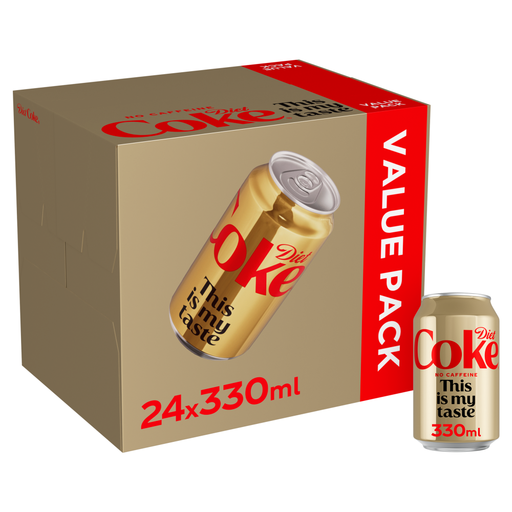
Diet Coke No Caffeine, 24 × 330ml
A can multipack to consider when you want an optional caffeine-free cola after training.
The Joybuy product information lists 0g sugars, carbohydrate and protein. It identifies sweeteners and a source of phenylalanine; check the pack if either matters to you. It does not supply carbohydrate or protein for a meal after exercise.
View on Joybuy
 No image available
Pepsi Max Caffeine Free, 24 × 330ml
This no-caffeine, zero-sugar can multipack is an optional cola choice when avoiding caffeine matters.
Pepsi UK and the Joybuy product information list 0g sugars, 0.2g carbohydrate and 0.2g protein per 330ml. Check the sweeteners and phenylalanine statement on the pack; this drink does not take the place of food when refuelling is needed.
View on Joybuy
 No image available
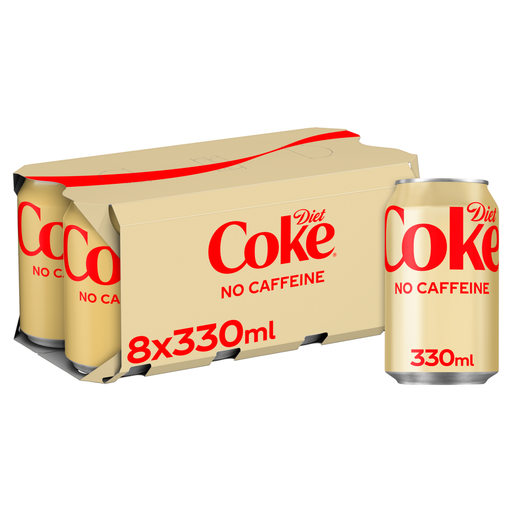
Diet Coke Caffeine Free, 8 × 330ml
An eight-can format for someone choosing an optional caffeine-free, zero-sugar cola.
The product information lists 0g carbohydrate, sugars and protein per 330ml. It identifies sweeteners and a source of phenylalanine; check the exact pack where those details matter.
View on Joybuy
 No image available
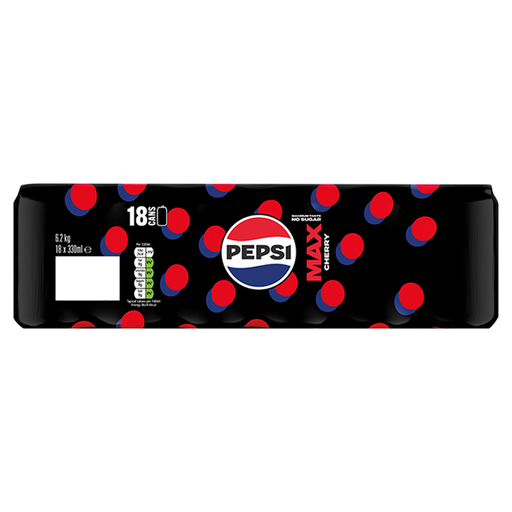
Pepsi Max Cherry, 18 × 330ml
This cherry-flavoured zero-sugar cola is an option only if caffeine fits your preferences: its listed ingredients include caffeine.
The Joybuy product information lists 0g sugars, carbohydrate and protein and specifies an 18 × 330ml pack. Check its sweeteners and phenylalanine statement on the pack; it is not a source of carbohydrate or protein for refuelling.
View on Joybuy
 No image available
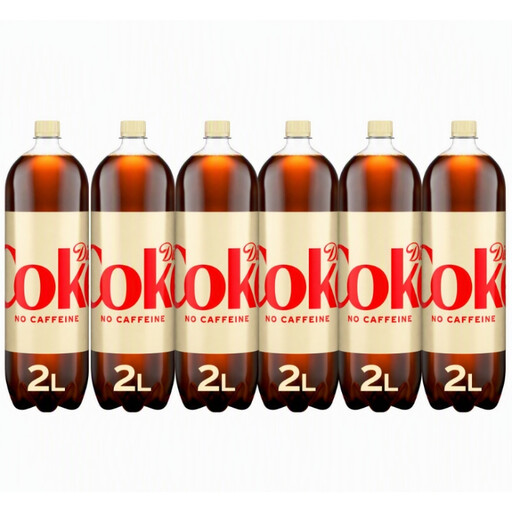
Diet Coke Caffeine Free, 6 × 2L
The six-bottle format may suit sharing, but check the exact label before choosing this pack to avoid caffeine.
Although the product title says caffeine-free, its accompanying caution mentions caffeine. The listed nutrition gives 0g sugars, carbohydrate and protein; the product information also identifies sweeteners and a source of phenylalanine.
View on Joybuy
Frequently asked questions
Can diet cola replace a drink and food after a workout?
No. NHS guidance identifies water as the main way to replace fluid lost through physical activity, while the zero-sugar colas described here provide zero or near-zero carbohydrate and protein. If you need to eat after training, consider food containing those nutrients separately.
Which cola can I choose if I want to avoid caffeine after an evening workout?
Choose a variant explicitly labelled caffeine-free and check its ingredients. Pepsi Max No Caffeine, Diet Coke Caffeine Free and Coca-Cola Zero Sugar Zero Caffeine are named examples; Pepsi UK lists caffeine in standard Pepsi Max and Diet Pepsi.
Does zero-sugar cola supply carbohydrate for refuelling?
The cited 330ml nutrition panels do not show meaningful carbohydrate: Pepsi UK lists 0.2g for Pepsi Max No Caffeine and 0g for standard Pepsi Max and Diet Pepsi, while Tesco lists 0g for the cited caffeine-free Diet Coke and Coca-Cola Zero Sugar variants. Do not rely on those drinks as your carbohydrate source after training.
What should I read on the label before buying?
Check the caffeine statement, ingredients, sugars, carbohydrate and protein values, serving size and any warning relevant to you. The cited caffeine-free Pepsi Max and Diet Coke product information includes sweeteners and a phenylalanine statement, so check the exact variant rather than assuming all diet colas are alike.


