For a student stocking a room or shared kitchen, a diet or zero-sugar fizzy drink can replace a sugary one when reducing sugar is the priority; the NHS lists sugar-free, diet and no-added-sugar drinks as alternatives. Choose a specifically caffeine-free variant if caffeine matters, then compare the exact flavour, ingredients and pack size before stocking up. Zero sugar does not remove the dental-erosion concern associated with frequent fizzy-drink consumption, according to Oxford Health NHS Foundation Trust.
Who is shopping for these drinks?
The useful starting point is whether the drink is replacing a sugary option, needs to be caffeine-free or will be shared with people who prefer different flavours.
Students replacing sugary soft drinks
If you are stocking a room or shared kitchen and want a fizzy alternative to a sugary drink, compare the sugar line on each pack. The NHS lists sugar-free, diet and no-added-sugar drinks among alternatives to sugary fizzy drinks.
Students avoiding caffeine
A zero-sugar cola is not necessarily caffeine-free. Coca-Cola Zero Sugar and Pepsi Max list caffeine flavouring, while Pepsi Max Caffeine Free is a distinct option, according to their manufacturers' UK product information.
Shared-flat shoppers
When several people will use the same supply, agree on cola or non-cola flavours, caffeine preferences and a practical pack size before buying a large multipack. Check each product label rather than assuming that drinks labelled 'zero' have identical ingredients.
What should you check before buying?
Start with the per-100ml nutrition panel and ingredients, then choose a flavour and pack format that suit how the drinks will be used.
| Priority | What to check | Your needs |
|---|
| Sugar |
Read sugars per 100ml on the exact flavour. Coca-Cola GB lists 0g for Coca-Cola Zero Sugar but 0.4g for Fanta Fruit Twist Zero. |
I want a fizzy alternative to a sugary drink, without assuming every 'zero' flavour has the same sugar figure. |
| Caffeine |
Check the variant name and ingredients. Pepsi UK lists caffeine flavouring in Pepsi Max and identifies Pepsi Max Caffeine Free as a separate, zero-caffeine drink. |
If I am avoiding caffeine, I need an explicitly caffeine-free option rather than relying on a zero-sugar label. |
| Ingredients |
Read the sweeteners and any source-of-phenylalanine statement on the particular pack; check a different flavour or caffeine-free variant separately. |
The ingredients and warnings need to suit the people who will drink it, not just the person doing the shopping. |
| Frequency |
Consider how often the drinks will be consumed. Oxford Health NHS Foundation Trust identifies fizzy and fruit-flavoured drinks as acidic and advises reducing how often fizzy drinks are consumed. |
I do not want a zero-sugar label to become a reason to drink fizzy drinks frequently between meals. |
| Flavour and format |
Choose between cola, lemon-lime and fruit flavours; compare cans with larger bottles by pack size and likely use in the household. |
For a shared kitchen, I would rather agree on flavours and storage space than commit everyone to a large pack they may not use. |
What is easy to overlook?
-
Assuming 'diet' or 'zero' means caffeine-free
Standard zero-sugar colas can still contain caffeine flavouring: Coca-Cola Zero Sugar and Pepsi Max list it in their UK ingredients.
If caffeine matters, choose a specifically named caffeine-free variant and check the ingredients on that pack.
-
Treating zero sugar as tooth-neutral
Oxford Health NHS Foundation Trust explains that acid can wear away enamel and identifies fizzy and fruit-flavoured drinks as acidic. Removing sugar does not settle that separate concern.
Consider how often you drink fizzy drinks rather than using the sugar figure as the only guide; the Trust advises reducing their frequency.
-
Buying by the front-of-pack name alone
Products with 'Zero' in the name need not have identical nutrition panels. Coca-Cola GB lists 0g sugars per 100ml for Sprite Zero and 0.4g for Fanta Fruit Twist Zero.
Read sugars per 100ml, ingredients and warnings for the exact flavour and format you are buying.
-
Buying a large shared pack before asking housemates
A pack is less practical if its flavour or caffeine content does not suit the people sharing it, or if there is nowhere convenient to store it.
Agree on preferences and storage space first; a smaller selection lets the household settle on what it will use.
Which brands and ranges are relevant?
These UK product and retailer references illustrate different label checks; a brand name alone does not establish the ingredients of every variant.
Coca-Cola
Coca-Cola Zero Sugar is a cola option; Coca-Cola Zero Sugar Zero Caffeine is a distinct variant for a caffeine-free requirement.
- Coca-Cola GB lists 0g sugars per 100ml for Coca-Cola Zero Sugar.
- Standard Coca-Cola Zero Sugar lists caffeine flavouring and a source of phenylalanine; do not confuse it with the caffeine-free variant.
Pepsi
Pepsi Max and Pepsi Max Caffeine Free offer two separately named zero-sugar cola variants.
- Pepsi UK lists 0g sugars per 100ml for Pepsi Max and describes Pepsi Max Caffeine Free as having zero sugar and zero caffeine.
- Pepsi Max lists caffeine flavouring. Check sweeteners and the phenylalanine statement on the variant you choose.
Sprite
Sprite Zero offers a lemon-lime alternative to cola.
- Coca-Cola GB lists 0g sugars per 100ml for Sprite Zero.
- Its product information includes a source-of-phenylalanine statement; check the exact pack's ingredients.
Fanta
Fanta includes fruit-flavoured zero-labelled variants for shoppers who do not want cola.
- Tesco Groceries lists Fanta Zero Orange and Fanta Zero Fruit Twist among its UK fizzy-drink options.
- Coca-Cola GB lists 0.4g sugars per 100ml for Fanta Fruit Twist Zero, so check the specific flavour's nutrition panel.
Dr Pepper
Dr Pepper Zero is another zero-sugar flavour option outside a standard cola choice.
- Coca-Cola GB lists 0g sugars per 100ml for Dr Pepper Zero.
- Its listed ingredients include caffeine and a source-of-phenylalanine statement, so it does not meet a caffeine-free requirement.
Tesco
Tesco's own-label range provides diet, zero and no-added-sugar options across several flavours.
- Tesco Groceries lists Tesco Diet Lemonade, Tesco Orange Zero, Tesco No Added Sugar Cloudy Lemonade and Tesco Xero Cola.
- Those names do not establish identical sugar, caffeine or sweetener information; read each product's label.
Joybuy options for moving in
These packs offer caffeine-free cola, regular zero-sugar cola and non-cola flavours in cans or larger bottles. Choose by the exact variant and a pack size that suits your room or shared kitchen.
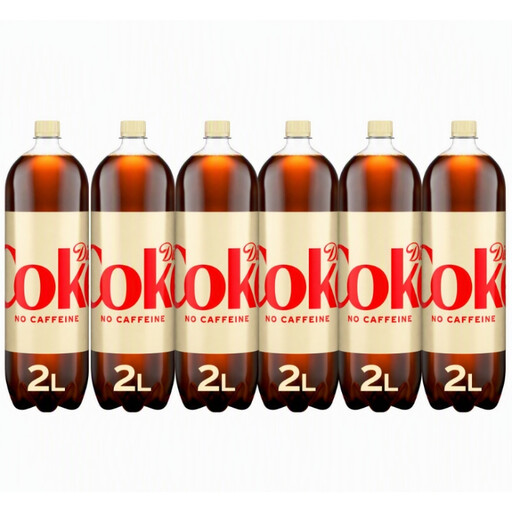 Image unavailable
Diet Coke Caffeine Free 2L x 6
A caffeine-free cola in six 2L bottles for a household that prefers larger bottles. Check that the total pack suits your storage space and how quickly it will be used.
View on Joybuy
 Image unavailable
Pepsi Max Caffeine Free 24 x 330ml
A caffeine-free cola in individual 330ml cans for portioned serving or sharing. Pepsi UK describes this variant as zero sugar and zero caffeine; check the pack's ingredients and warnings if they matter to your household.
View on Joybuy
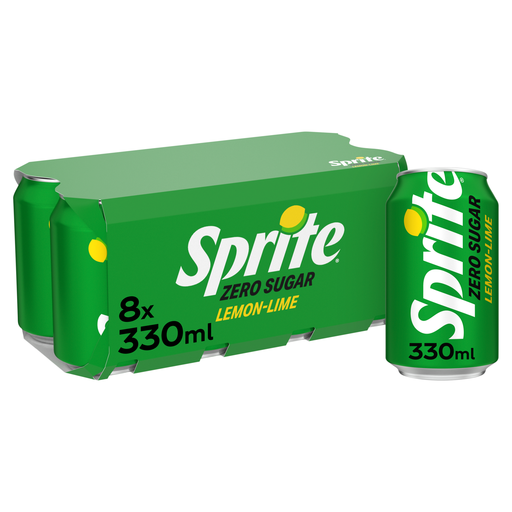 Image unavailable
Sprite No Sugar 8 x 330ml
A non-cola choice in an eight-can pack if you want to start with a smaller supply. If avoiding caffeine, check the ingredients on this exact pack before buying.
View on Joybuy
 Image unavailable
Coca-Cola Zero Sugar 24 x 330ml
A zero-sugar cola in individual 330ml cans. Coca-Cola GB lists caffeine flavouring for Coca-Cola Zero Sugar, so choose a separately named caffeine-free variant if caffeine is a concern.
View on Joybuy
 Image unavailable
Tango Apple Sugar-Free 24 x 330ml
An apple-flavoured, sugar-free option in 24 individual 330ml cans for shoppers who prefer fruit flavour to cola. Check the exact pack's ingredients if avoiding caffeine or particular sweeteners.
View on Joybuy
Common questions
Can a diet fizzy drink replace a sugary one when I want less sugar?
Yes, if reducing sugar is the reason for the swap: the NHS lists sugar-free, diet and no-added-sugar drinks as alternatives to sugary fizzy drinks. Read the exact drink's nutrition panel, since names alone do not give its per-100ml sugar figure.
Does 'zero sugar' also mean caffeine-free?
No. Coca-Cola Zero Sugar and Pepsi Max list caffeine flavouring, while Pepsi Max Caffeine Free is a separately named variant. Check both the product name and ingredients if you want to avoid caffeine.
Does zero sugar remove the concern about teeth?
No. Oxford Health NHS Foundation Trust identifies fizzy and fruit-flavoured drinks as acidic, explains that acid can wear away enamel and advises reducing how often fizzy drinks are consumed. Sugar content and acidity are separate considerations.
What should I check before buying a multipack for a shared kitchen?
Check sugars per 100ml, caffeine-related ingredients, sweeteners and any phenylalanine statement on the exact variant. Then agree on flavour and pack size with housemates so the cans or bottles suit both their preferences and the available storage space.


