Car boot sellers offering sealed drinks
Individually sealed cans make it straightforward to hand over a drink while keeping its label available for customers to check ingredients and dates.


For car boot sale refreshments, a mix of standard zero-sugar cola, a specifically labelled caffeine-free cola and a non-cola flavour covers different preferences without treating every diet drink as interchangeable. Choose sealed cans whose current labels customers can inspect, and check with the local authority and event organiser before selling drinks if you are unsure which trading requirements apply.
Individually sealed cans make it straightforward to hand over a drink while keeping its label available for customers to check ingredients and dates.
A familiar cola flavour may be the starting point, but anyone seeking to avoid caffeine needs a variant specifically labelled caffeine-free.
Lemon-lime, orange or other fruit-flavoured options give customers a choice beyond cola. Check each variant’s own nutrition and ingredient label.
Start with the flavours you want to offer, then check caffeine, ingredients and packaging on each exact variant. “Zero sugar” alone does not answer those other questions.
| Priority | What to check | Your needs |
|---|---|---|
| Sugar and flavour | Read sugars per 100 ml on the exact can. Compare cola with non-cola flavours rather than assuming similarly named variants have the same recipe. | I want to offer a cola without sugar, but I may also want a fruit-flavoured choice for people who do not want cola. |
| Caffeine | Look for an explicit caffeine-free designation and check the ingredients. Coca-Cola GB and Pepsi UK list caffeine or caffeine flavouring in their cited standard zero-sugar colas. | If someone wants cola without caffeine, I need a specifically labelled caffeine-free variant, not just a can marked “zero sugar”. |
| Sweeteners and labels | Check the current ingredient list and any phenylalanine statement. GOV.UK food-labelling guidance requires phenylalanine wording for products containing aspartame. | Customers who check particular sweeteners need to be able to read the original label before choosing a drink. |
| Serving format | Confirm the number of cans and volume per can. Keep the original packaging available so ingredients and date information can be checked. | Individually sealed cans suit a stall where drinks are handed over separately; the pack size also needs to suit how many drinks I plan to bring. |
| Selling arrangements | Ask the local authority about food-business registration for your activity and check the organiser’s stall conditions. Food Standards Agency guidance says a local authority may treat very limited, infrequent activity differently. | Before selling refreshments, I need to know which requirements apply to my own stall rather than assuming every car boot sale follows the same arrangements. |
Standard zero-sugar colas from Coca-Cola GB and Pepsi UK list caffeine or caffeine flavouring, so they do not meet a caffeine-avoidance request.
Include a variant specifically labelled caffeine-free if that choice matters to your customers.
Zero-sugar drinks can use different sweeteners. GOV.UK guidance requires a phenylalanine statement on products containing aspartame.
Keep each drink’s original label available and check the exact variant rather than relying on the flavour or range name.
Food Standards Agency food-business guidance covers selling, storing, handling and distributing food. Its community-event guidance also notes that the local authority may decide very limited, infrequent activity does not need registration.
Describe your planned activity to the local authority and ask the event organiser about stall conditions before buying drinks to sell.
These brand ranges illustrate different cola and non-cola choices; check the label on the particular pack you intend to offer.
Coca-Cola Zero Sugar and Diet Coke are separate zero-sugar cola choices; the range also includes explicitly caffeine-free variants.
Pepsi Max and Pepsi Max No Caffeine distinguish standard no-sugar cola from a no-sugar, caffeine-free variant.
Sprite Zero Sugar offers a lemon-and-lime alternative to cola.
Fanta Zero Orange is an orange-flavoured, non-cola option listed by Tesco in an 8 × 330 ml can pack.
Dr Pepper Zero adds a different cola-style flavour to the zero-sugar choices.
Tesco Xero Cola is an own-label, no-sugar cola listed as an 8 × 330 ml multipack.
These multipacks cover a standard zero-sugar cola, a caffeine-free cola and two non-cola flavours for individually packaged car boot sale refreshments.
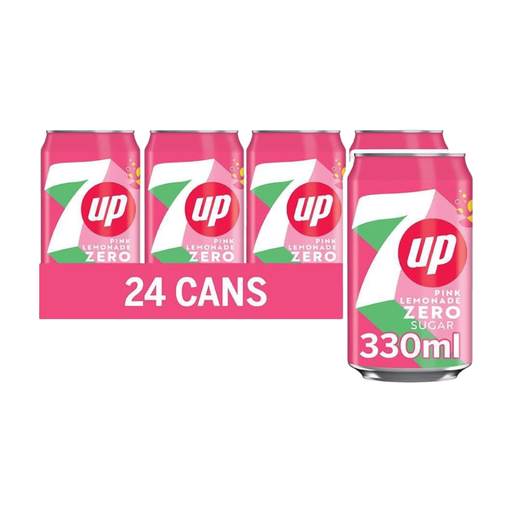 No image available
A non-cola option in a 24 × 330 ml pack. Check the flavour and ingredients on the cans before buying: the product title says Lemonade, while its description specifies Pink Lemonade.
 No image available
A specifically named caffeine-free cola in a 24 × 330 ml pack. Pepsi UK describes the No Caffeine variant as no sugar; check the current cans for sweeteners and phenylalanine information.
 No image available
A standard zero-sugar cola in a 24 × 330 ml pack. Coca-Cola GB lists caffeine flavouring for the cited standard variant, so choose a separately labelled caffeine-free drink if caffeine avoidance matters.
 No image available
An apple-flavoured, non-cola choice in a 24 × 330 ml can pack. Check the current ingredient label for anyone avoiding particular sweeteners.
No. Coca-Cola GB and Pepsi UK list caffeine or caffeine flavouring for their cited standard zero-sugar colas. Choose an explicitly caffeine-free variant, such as Pepsi Max No Caffeine or Diet Coke No Caffeine, when that distinction matters.
Keep the current ingredient label available for them to inspect. GOV.UK food-labelling guidance requires a phenylalanine statement on products containing aspartame; do not assume all diet or zero-sugar variants have the same ingredients.
Ask your local authority about your planned activity before selling. Food Standards Agency food-business guidance covers selling, storing, handling and distributing food, while its community-event guidance says the authority may decide registration is unnecessary for very limited, infrequent activity. Check the organiser’s conditions as well.
Keep the original packaging and can labels available for customers to inspect. Government community-event guidance recommends retaining prepacked-food packaging, and UK food-labelling guidance identifies information such as ingredients, quantity and date markings on prepacked food.