Organisers serving mixed preferences
Offer more than one flavour rather than assuming everyone wants cola. A caffeine-free cola, a non-cola choice and water give attendees distinct options.


Diet or zero-sugar fizzy drinks can give work-meeting attendees an alternative to sugary soft drinks, but a caffeinated cola should not be the only choice. Offer water alongside a clearly labelled caffeine-free option and a non-cola flavour; check each pack’s sugars, caffeine and ingredients, particularly if someone needs to avoid aspartame because of PKU.
Offer more than one flavour rather than assuming everyone wants cola. A caffeine-free cola, a non-cola choice and water give attendees distinct options.
Compare the exact variety’s nutrition panel. Coca-Cola Great Britain lists 0g sugars per 100ml for Coca-Cola Zero Sugar, but 0.4g per 100ml for Fanta Fruit Twist Zero.
Look for a drink expressly labelled caffeine-free and make ingredient information available. The NHS says aspartame is not suitable for people with phenylketonuria (PKU).
Choose the mix by flavour and caffeine preference, then check the exact packs for sugars, ingredients and serving format.
| Priority | What to check | Your needs |
|---|---|---|
| Sugars | Compare sugars per 100ml on the exact variety; use the per-serving figure to assess the can or bottle being offered. Coca-Cola Great Britain lists 0g per 100ml for Coca-Cola Zero Sugar and 0.4g for Fanta Fruit Twist Zero. | I want a fizzy option with little or no sugar, without assuming every drink labelled “Zero” has the same nutrition figures. |
| Caffeine | Check for an explicit caffeine-free label. Pepsi UK describes Pepsi MAX No Caffeine as containing no caffeine; standard Pepsi MAX lists caffeine among its flavourings. | Some attendees may avoid caffeine, so I do not want a standard cola to be their only diet-drink choice. |
| Ingredients | Read the sweetener list and any phenylalanine statement on the current pack. The NHS says aspartame is not suitable for people with PKU. | I need ingredient information attendees can check before choosing a drink, rather than relying on a front-of-pack sugar claim. |
| Flavour and format | Include a non-cola flavour if the group’s preferences vary. Check the pack count and can size against the number of servings you plan to offer. | Not everyone wants cola; individual cans make it straightforward to set out different choices at a meeting. |
Formulations vary by drink and flavour: Coca-Cola Great Britain lists 0g sugars per 100ml for Coca-Cola Zero Sugar but 0.4g for Fanta Fruit Twist Zero.
Compare the nutrition panels for the exact varieties you intend to serve.
Pepsi UK lists caffeine in standard Pepsi MAX and describes Pepsi MAX No Caffeine as a separate option. A single cola choice may not suit attendees avoiding caffeine.
Include a drink expressly labelled caffeine-free and offer water as another choice.
“Zero sugar” does not establish whether a drink contains aspartame. The NHS says aspartame is not suitable for people with PKU.
Check the current ingredients and phenylalanine statement, and let attendees see the pack information.
These named varieties illustrate different flavour and caffeine choices; check the exact pack when deciding what to serve.
Its range includes standard Coca-Cola Zero Sugar and a separately labelled Diet Coke No Caffeine option.
Pepsi MAX and Pepsi MAX No Caffeine provide distinct cola choices for a meeting.
Sprite Zero is a lemon-and-lime alternative to cola.
Fanta Fruit Twist Zero offers a fruit-flavoured alternative to cola.
Dr Pepper Zero is another flavoured fizzy-drink option.
These multipacks cover caffeine-free cola, non-cola flavours and a standard zero-sugar cola. Combine choices according to attendees’ preferences rather than treating one pack as the whole refreshments plan.
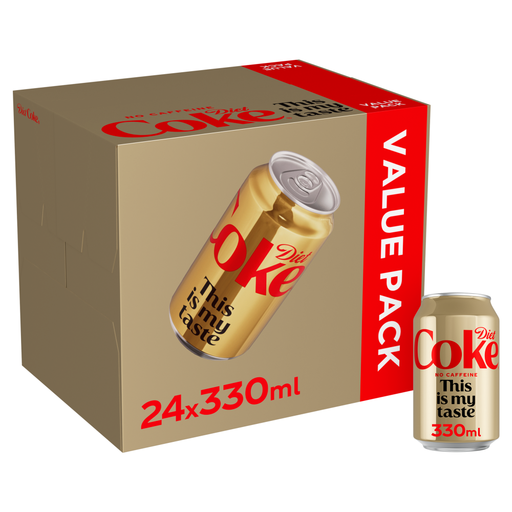 No image available
A cola option for attendees avoiding caffeine, in 24 individual 330ml cans. The product information lists 0g sugars per 100ml; it also identifies aspartame and a source of phenylalanine, which matters for people with PKU under NHS guidance.
 No image available
Another caffeine-free cola choice, supplied as 24 individual 330ml cans. The product information lists 0g sugars per 100ml and identifies aspartame and a source of phenylalanine; the NHS says aspartame is not suitable for people with PKU.
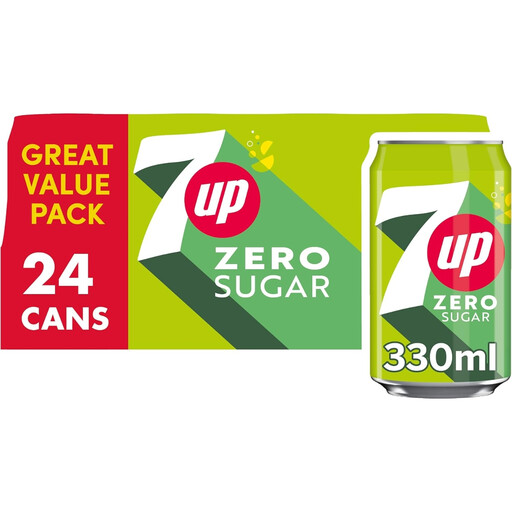 No image available
A lemon-and-lime option when attendees want something other than cola. Its product information lists no caffeine, 0g sugars per 100ml and 24 individual cans; it also identifies aspartame and a source of phenylalanine, so check suitability where PKU matters.
 No image available
A standard zero-sugar cola choice in 24 individual 330ml cans. Coca-Cola Great Britain lists 0g sugars per 100ml; this variety contains caffeine, so pair it with a caffeine-free choice if needed. Its product information also identifies a source of phenylalanine.
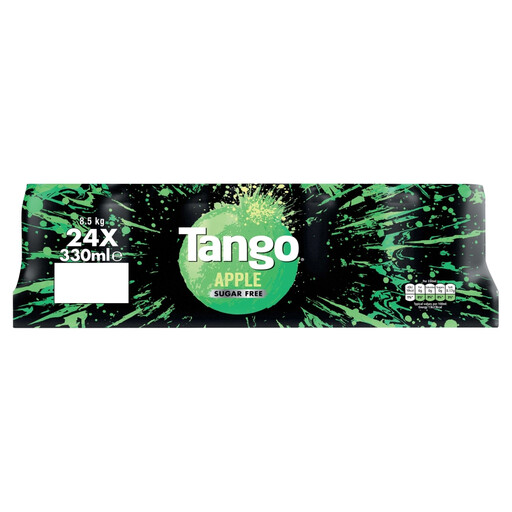 No image available
An apple-flavoured alternative to cola, supplied as 24 individual 330ml cans. Its product information lists 0g sugars per 100ml. Check the current pack for caffeine before choosing it specifically for attendees who avoid caffeine.
They can be offered as an alternative to sugary soft drinks. The NHS advises swapping sugary drinks for diet, sugar-free or no-added-sugar drinks; offering water and more than one fizzy-drink choice avoids assuming everyone wants the same flavour or caffeine content.
No. Pepsi UK lists caffeine in standard Pepsi MAX but describes Pepsi MAX No Caffeine as containing none. Choose a variety expressly labelled caffeine-free and check its current pack when caffeine avoidance matters.
Check for aspartame, also called E951, and the phenylalanine statement. The NHS says aspartame is not suitable for people with phenylketonuria (PKU); a zero-sugar claim alone does not answer this ingredient question.
Check the number and size of servings, sugars per 100ml and per serving, caffeine and ingredients on the exact variety. Also check the best-before date and storage instructions on the packs you receive.