Parents planning occasional treats
If you want a familiar fizzy drink for home or an outing while reducing the sugar listed on its label, compare sugars per 100ml. Keep the occasion in mind rather than making a fizzy drink the routine choice.


For an occasional school-holiday treat, a zero-sugar fizzy drink suits a household looking for a drink labelled 0g sugars per 100ml, but it is not an everyday drink for babies or young children. If avoiding caffeine matters, choose a variant explicitly labelled caffeine-free; check the exact pack for ingredients and a phenylalanine warning where relevant.
If you want a familiar fizzy drink for home or an outing while reducing the sugar listed on its label, compare sugars per 100ml. Keep the occasion in mind rather than making a fizzy drink the routine choice.
If you want a cola-style drink without caffeine, look for an explicitly caffeine-free variant. The word ‘zero’ describes sugar, not necessarily caffeine.
A lower-sugar label does not make a fizzy drink appropriate for this age group. The NHS advises against giving fizzy drinks to babies and young children and does not recommend diet or reduced-sugar drinks for them.
Compare sugar on the same per-100ml basis, then check the exact variant for caffeine and sweetener information. The child’s age and how often the drink will be offered matter as much as the flavour.
| Priority | What to check | Your needs |
|---|---|---|
| Listed sugar | Compare sugars per 100ml and check the serving size. Coca-Cola Great Britain lists 0g per 100ml for Sprite Zero and 4.5g per 100ml for Fanta Orange; those figures apply to the named variants. | I want to reduce the sugar in an occasional fizzy-drink treat without assuming a fruit flavour means less sugar. |
| Caffeine | Look for ‘caffeine free’ or ‘no caffeine’ on the exact variant, then read its ingredients. Pepsi UK names Pepsi Max No Caffeine as a caffeine-free option; Coca-Cola Great Britain lists caffeine flavouring in standard Coca-Cola Zero Sugar. | A cola flavour appeals to us, but I want a variant explicitly labelled caffeine-free. |
| Age and frequency | Decide whether this is an occasional treat or a regular drink. The NHS says fizzy drinks are acidic and advises against diet or reduced-sugar drinks for babies and young children. | For frequent drinks, especially for a very young child, I would choose water or plain milk instead of a fizzy option. |
| Sweeteners | Read the current ingredient list and any ‘contains a source of phenylalanine’ warning. The Food Standards Agency identifies aspartame as a source of phenylalanine relevant to people with phenylketonuria (PKU). | If PKU or phenylalanine avoidance matters in my household, I need to check the exact pack rather than rely on the brand name. |
| Pack format | Check the stated bottle or can volume and the number of units. The named options here include 330ml cans and 2L bottles. | Individual cans may suit an outing; for sharing at home, I may prefer a larger bottle. |
Removing listed sugar does not remove the acidity of a fizzy drink. The NHS advises against giving fizzy drinks, including diet or reduced-sugar options, to babies and young children.
Consider the age of the child and whether this is an occasional treat. Choose water or plain milk for regular drinking.
Caffeine differs by variant: Coca-Cola Great Britain lists caffeine flavouring in standard Coca-Cola Zero Sugar, while Pepsi UK explicitly names Pepsi Max No Caffeine as caffeine-free.
Check the full variant name and ingredients when choosing a new flavour or multipack.
Some zero-sugar drinks contain aspartame and state that they contain a source of phenylalanine. The Food Standards Agency identifies this as relevant to people with PKU.
Where PKU or phenylalanine avoidance is relevant, check the exact pack and follow the advice of the relevant healthcare professional.
The Department for Education’s school food standards concern food and drink provided to pupils on school premises in England. That is a different setting from a family buying holiday snacks for home.
If buying for a school event or school provision, check the current requirements for the relevant UK nation and the school’s policy.
A brand name alone cannot establish sugar or caffeine content: compare the named variant and its current pack label.
Coca-Cola Zero Sugar and the separately named Zero Sugar Zero Caffeine variant address different caffeine preferences.
Pepsi Max No Caffeine is a named option for shoppers seeking both zero listed sugar and no caffeine.
Sprite Zero offers a lemon-and-lime flavour for someone who does not want cola.
Fanta Orange illustrates why a fruit-flavoured fizzy drink needs its own sugar-label check.
Dr Pepper Zero is a named zero-sugar option, but its caffeine status matters when choosing for a household.
Tesco Caffeine Free Diet Cola is a 2L own-label option for sharing from a bottle.
This supplied comparison orders three named examples by a label-based shopping sequence: a zero-sugar can multipack, another named zero-sugar cola variant, then a no-added-sugar 2L bottle. The positions are not a sales or taste ranking.
| Position | Product | Main specifications | Why consider it | Platform |
|---|---|---|---|---|
| 1 | Pepsi Max Caffeine Free 24 × 330ml | 24 × 330ml; 0g sugars per 100ml; caffeine-free. | Joybuy identifies the 24-can format, while Pepsi UK lists 0g sugars per 100ml for Pepsi Max No Caffeine. The named variant suits someone choosing individual cans and avoiding caffeine; check its phenylalanine warning. | Joybuy |
| 2 | Coca-Cola Zero Sugar Zero Caffeine | Named zero-sugar, zero-caffeine variant. | The variant name distinguishes it from standard Coca-Cola Zero Sugar, whose ingredient list includes caffeine flavouring according to Coca-Cola Great Britain. Check the exact pack’s nutrition and ingredients. | Tesco Groceries |
| 3 | Tesco Caffeine Free Diet Cola 2L | 2L; less than 0.1g sugars per 100ml; caffeine-free. | Tesco Groceries labels this bottle caffeine-free and no added sugar. Its 2L format suits someone who wants to pour servings at home rather than take individual cans. | Tesco Groceries |
These options include zero-sugar colas and fruit-flavoured fizzy drinks in cans or bottles. Some are explicitly caffeine-free; check each variant rather than assuming that applies to the whole selection.
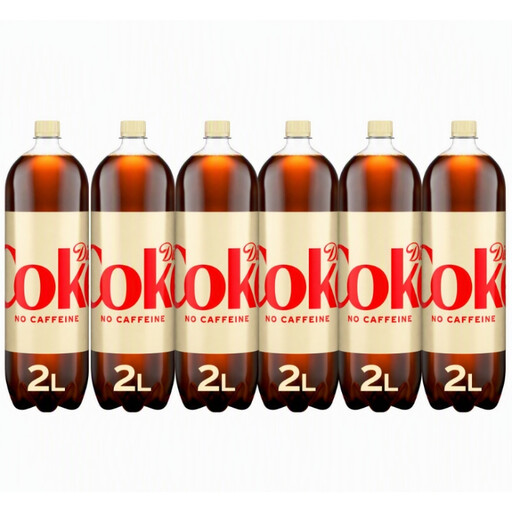 Image unavailable
Six 2L bottles offer a cola option for occasional sharing at home. The product information describes this variant as caffeine-free and lists 0g sugars per 100ml. It contains a source of phenylalanine; check the current pack if that warning matters.
 Image unavailable
The 24-can format offers individual portions for an occasional outing or gathering. This caffeine-free variant lists 0g sugars per 100ml and contains a source of phenylalanine; read the current pack where that warning is relevant.
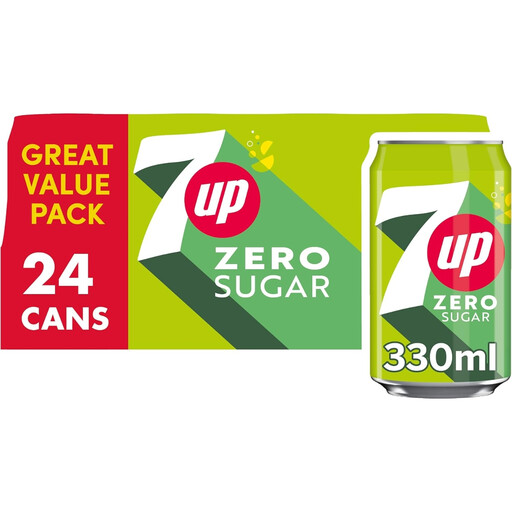 Image unavailable
This lemon-and-lime option offers individual cans for occasional sharing instead of a cola flavour. Its product information lists 0g sugars per 100ml and describes it as caffeine-free. It carries a phenylalanine warning, so check the current pack where relevant.
 Image unavailable
The 24-can pack suits occasional sharing when a cola with 0g listed sugars per 100ml is wanted. This variant’s ingredients include caffeine, so choose a separately labelled caffeine-free product if avoiding caffeine. It also carries a phenylalanine warning.
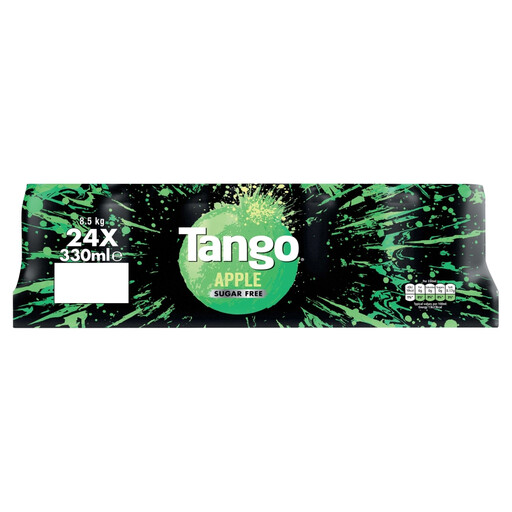 Image unavailable
This apple-flavoured 24-can pack offers individual portions instead of a cola flavour. Its product information lists 0g sugars per 100ml. If caffeine or phenylalanine affects your choice, check the exact pack before buying.
No. A zero-sugar label can reduce the sugar listed for that drink, but fizzy drinks remain acidic. The NHS advises against giving fizzy drinks to babies and young children and does not recommend diet or reduced-sugar drinks for them; choose water or plain milk for regular drinking.
Look for ‘caffeine free’ or ‘no caffeine’ on the exact variant and check its ingredients. Pepsi UK names Pepsi Max No Caffeine, and Tesco Groceries labels its Caffeine Free Diet Cola accordingly. Do not apply that claim to every zero-sugar cola: Coca-Cola Great Britain lists caffeine flavouring in standard Coca-Cola Zero Sugar.
The warning can appear on drinks containing aspartame, a source of phenylalanine. The Food Standards Agency identifies aspartame-containing products as a possible risk for people with phenylketonuria (PKU). If PKU is relevant, check the exact pack and follow the advice of the relevant healthcare professional.
No: the Department for Education’s school food standards concern food and drink provided to pupils on school premises in England, not a family’s home shopping. Do not assume a single rule about diet fizzy drinks applies across every UK school setting; for school provision, check the relevant nation’s current requirements and the school’s policy.