What should you check before choosing?
Start with the sugar figure for the exact drink and serving size. Then check whether its ingredients and pack format suit how you plan to use it.
| Priority | What to check | Your needs |
|---|
| Sugar and variant |
Read sugars per 100ml and per serving on the exact variant. Do not treat a brand name or a no-added-sugar claim as its sugar figure. |
I want a fizzy drink for ordinary occasions, so I need to distinguish the diet or zero variant from the standard drink. |
| Hypo treatment |
Keep everyday zero-sugar drinks distinct from the sugary treatment in your agreed hypo plan. Diabetes UK identifies sugary non-diet drinks as one possible treatment. |
If I am at risk of a hypo, I need to know which drink is for ordinary use and which treatment to reach for when my blood glucose is low. |
| Caffeine |
Read the ingredients and look for an explicit caffeine-free variant when needed. Zero sugar alone does not establish caffeine content. |
I may want a cola without caffeine as well as without sugar. |
| Sweeteners |
Check the sweetener list and any phenylalanine statement on the current label. Ingredients can differ between variants. |
When I need to avoid a particular ingredient, the word “diet” does not tell me enough. |
| Pack format |
Confirm the can size and number of cans, then check that the specific variant and ingredients suit your household before choosing a multipack. |
I would rather confirm that we will drink this flavour before taking home a large pack. |
Brand and variant references
These examples illustrate why the exact variant matters; a brand name alone does not establish sugar or caffeine content.
Coca-Cola
The Coca-Cola Zero Sugar range includes a separately named caffeine-free variant.
- The Coca-Cola Company Great Britain lists 0g sugars for Coca-Cola Zero Sugar and describes Coca-Cola Zero Sugar Caffeine Free as containing no sugar or caffeine.
- Check the exact variant and its sweeteners; the Coca-Cola Zero Sugar label includes a source-of-phenylalanine statement.
Pepsi
Pepsi MAX is a zero-sugar cola for shoppers comparing caffeinated cola variants.
- PepsiCo UK lists 0g sugars per 330ml serving for Pepsi MAX.
- Its ingredient list includes caffeine, aspartame and acesulfame-K, so this variant is not a caffeine-free choice.
Sprite
Sprite Zero offers a lemon-and-lime alternative to cola.
- The Coca-Cola Company Great Britain lists 0g sugars for Sprite Zero.
- Select the Zero variant specifically and check its sweeteners and source-of-phenylalanine statement.
Fanta
Fanta Zero Orange and standard Fanta Orange require separate label checks.
- Your Coca-Cola UK describes Fanta Zero Orange as having no added sugar.
- The Coca-Cola Company Great Britain lists 4.5g sugars per 100ml for standard Fanta Orange; check the nutrition panel rather than choosing by flavour name.
Dr Pepper
Dr Pepper Zero is a separately named zero-sugar variant.
- Tesco Groceries lists 0g sugars per 500ml serving for Dr Pepper Zero.
- The same listing includes caffeine, aspartame and acesulfame-K in its ingredients.
Tesco
Tesco Diet Cola provides an own-brand no-added-sugar cola example.
- Tesco Groceries lists less than 0.1g sugars per 330ml can.
- It contains caffeine and sweeteners; check the current can label when buying.
Joybuy fizzy-drink options
These multipacks include zero or sugar-free cola, lemon-and-lime and apple variants for ordinary drinking. Check each pack’s current nutrition and ingredient label, particularly if caffeine or a specific sweetener matters to you; none replaces an agreed sugary hypo treatment.
 No image available
Pepsi MAX Caffeine Free, 24 × 330ml
A caffeine-free cola variant for those checking caffeine as well as sugar. The pack contains 24 × 330ml cans; check its current sugars figure, sweeteners and phenylalanine statement.
View on Joybuy
 No image available
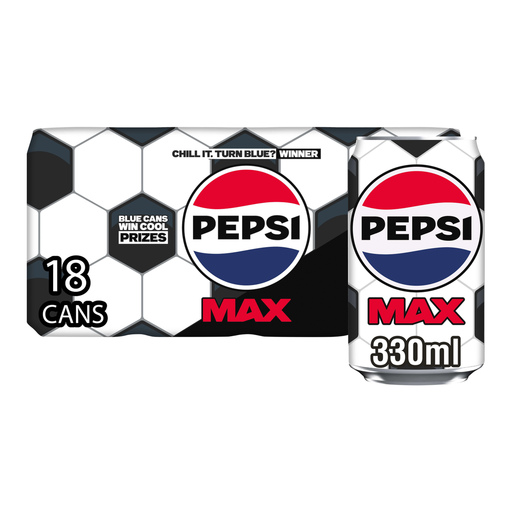
Pepsi MAX, 18 × 330ml
A zero-sugar cola in 18 × 330ml cans. PepsiCo UK lists 0g sugars per 330ml for Pepsi MAX; its ingredients include caffeine and sweeteners, with a source-of-phenylalanine statement.
View on Joybuy
 No image available
Coca-Cola Zero Sugar, 24 × 330ml
A zero-sugar cola in 24 × 330ml cans. The Joybuy UK nutrition listing gives 0g sugars per 100ml and per 330ml; check the current label for caffeine, sweeteners and the phenylalanine statement.
View on Joybuy
 No image available
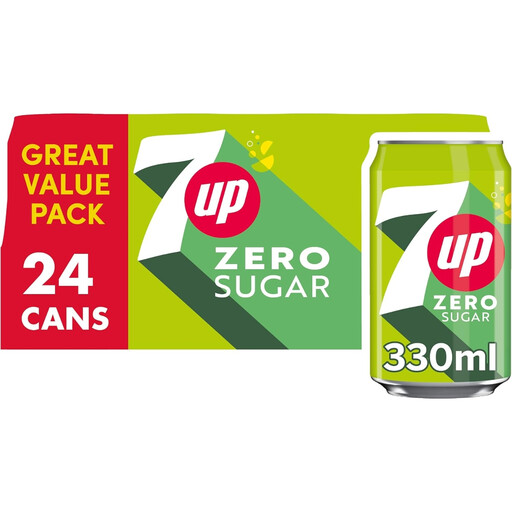
7UP Zero, 24 × 330ml
A lemon-and-lime option for someone who prefers a non-cola fizzy drink. The pack contains 24 × 330ml cans; check the current sugar figure, caffeine details and sweeteners on the label.
View on Joybuy
 No image available
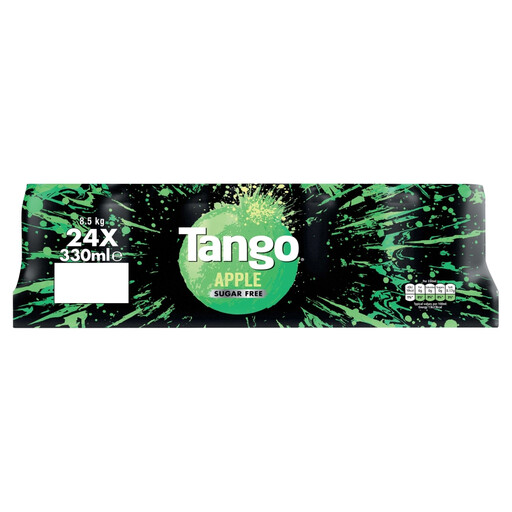
Tango Apple Sugar-Free, 24 × 330ml
An apple-flavoured, sugar-free option in 24 × 330ml cans. Check the current ingredients label for caffeine if you need to avoid it, as well as for the sweeteners used.
View on Joybuy
Questions about diet fizzy drinks
Can I drink a sugar-free fizzy drink if I have diabetes?
Diabetes UK includes sugar-free soft drinks among drinks that count towards fluid intake, though it describes water as its preferred all-round drink. For a fizzy option, check the exact product’s sugars per serving rather than assuming every drink under a familiar brand has the same formulation.
Can a diet or zero-sugar fizzy drink treat a hypo?
No. A zero-sugar drink does not supply the sugar needed for hypo treatment. Diabetes UK names sugary non-diet drinks among possible treatments; use the treatment agreed with your diabetes team.
Does zero sugar mean caffeine-free?
No. PepsiCo UK lists caffeine in Pepsi MAX, and Tesco Groceries lists it in Dr Pepper Zero and Tesco Diet Cola. If you need to avoid caffeine, choose a specifically labelled caffeine-free variant and check its current ingredients.
Why does a diet drink mention phenylalanine?
The product labels for Coca-Cola Zero Sugar, Pepsi MAX and Sprite Zero include a source-of-phenylalanine statement alongside aspartame in their ingredients. If you need to avoid phenylalanine, check the specific drink’s current label rather than assuming diet variants have identical sweeteners.
Is “no added sugar” the same as 0g sugars?
Do not assume so: read the sugars figure on the nutrition panel. For example, Tesco Groceries labels Tesco Diet Cola “no added sugar” and lists less than 0.1g sugars per 330ml can. Check both per 100ml and per serving when comparing drinks.


