What should you check?
Decide whether you mainly want fluid, a fizzy flavour or something more from your post-exercise food and drink. Then compare labels for the attributes that matter to you.
| Priority |
What to check |
Your needs |
| Replacing fluid |
Consider how much you have sweated and what you can comfortably drink. The NHS recommends water for replacing fluid lost through physical activity. |
After a sweaty workout, I want to deal with thirst before choosing a fizzy drink for its flavour. |
| Sugar |
Compare sugars per 100ml on the exact pack. Coca-Cola GB lists 0g for Coca-Cola Zero Sugar; Pepsi UK lists 0g for Pepsi Max. Coca-Cola GB lists 4.5g for Fanta Orange. |
I would prefer a fizzy drink without the sugar listed in a regular option, so the variant matters as much as the brand. |
| Caffeine |
Look for an explicit caffeine-free variant and check its ingredients. Pepsi UK describes Pepsi Max Caffeine Free as having zero caffeine, while its standard Pepsi Max ingredient list includes caffeine. |
For a drink after late exercise, I would rather choose a clearly labelled caffeine-free product. |
| Sweeteners |
Read the ingredients for aspartame or E951 and any phenylalanine statement, particularly if you have PKU. Do not assume two zero-sugar variants use the same sweeteners. |
I need to know what sweetens the drink, not just whether its front label says zero sugar. |
| Acidity |
Consider how often you sip fizzy drinks. NHS guidance links carbonated drinks with dental erosion from their acid content, whether or not they contain sugar. |
I want a fizzy option occasionally, without making frequent sipping my routine way to manage thirst. |
| Post-exercise nutrition |
Check carbohydrate and protein separately from the sugar claim. Coca-Cola GB lists 0g carbohydrate and 0g protein per 100ml for Coca-Cola Zero Sugar. |
If I also need food or a drink containing nutrients after exercise, I will consider that separately from a zero-sugar cola. |
Brand and product references
A brand name alone cannot settle the choice: check the named variant and its pack label. These references describe particular drinks, not every product made by each brand.
Coca-Cola
Coca-Cola Zero Sugar and Coca-Cola Zero Sugar Caffeine Free serve different caffeine preferences.
- Coca-Cola GB lists 0g sugars per 100ml for Coca-Cola Zero Sugar and describes its Caffeine Free variant as without sugar or caffeine.
- The standard Zero Sugar ingredient list includes caffeine flavouring; check the variant name and sweeteners on the pack.
Pepsi
Pepsi Max and Pepsi Max Caffeine Free are distinct zero-sugar cola choices.
- Pepsi UK lists 0g sugars per 100ml for Pepsi Max and describes Pepsi Max Caffeine Free as zero sugar and zero caffeine.
- Standard Pepsi Max lists caffeine. Check either variant's ingredients if you need to avoid a particular sweetener.
Sprite
Sprite Zero is a citrus-style alternative for shoppers who do not want a cola flavour.
- Its zero-sugar variant offers a different flavour choice from the named colas.
- Check the exact pack for sugar, caffeine and sweeteners; a sugar-free fizzy drink still carries the acidity consideration described by the NHS.
Dr Pepper
Dr Pepper Zero is a distinct-flavoured zero-sugar option, not a caffeine-free selection.
- Coca-Cola GB lists 0g sugars per 100ml for Dr Pepper Zero.
- Its published ingredients include caffeine flavouring, so check the label if avoiding caffeine.
Tesco
Tesco Diet Cola is an own-label cola to compare by its specific nutrition and ingredients label.
- Tesco lists less than 0.1g sugars per 100ml for Tesco Diet Cola.
- The listed product contains caffeine and sweeteners; its diet name does not establish caffeine-free status.
Fanta
Fanta Orange provides a regular fizzy-drink comparison, rather than a zero-sugar specification.
- Coca-Cola GB identifies Fanta Orange as caffeine-free.
- The same UK product information lists 4.5g sugars per 100ml. Check a different Fanta variant's own label before treating it as zero sugar.
Joybuy fizzy-drink options
These options cover caffeine-free cola, other zero or sugar-free fizzy flavours, and a standard zero-sugar cola for shoppers who do not need to avoid caffeine. Choose by the exact variant and pack size; water remains the NHS-recommended drink for replacing fluid lost through activity.
 Image unavailable
Pepsi Max Caffeine Free, 24 × 330ml
A cola option when you want a fizzy drink after exercise but prefer to avoid caffeine. Pepsi UK describes this variant as zero sugar and zero caffeine; check the pack's sweeteners if you need to avoid aspartame.
View on Joybuy
 Image unavailable
7UP Zero, 24 × 330ml
Consider this lemon-and-lime fizzy option if you would rather have something other than cola. Check the exact pack for its sugar, caffeine and sweetener information before choosing it for a particular requirement.
View on Joybuy
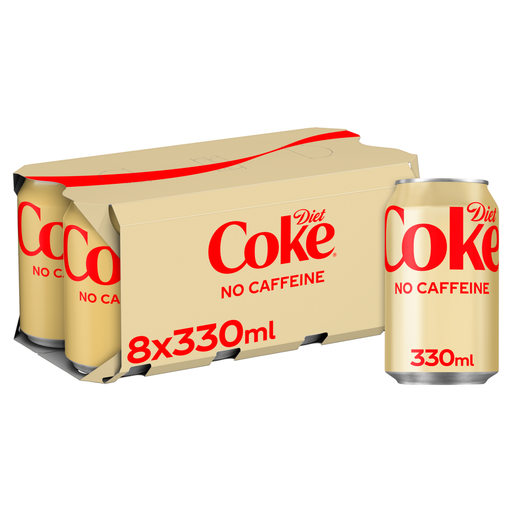 Image unavailable
Coke Diet Caffeine Free, 8 × 330ml
This smaller multipack is a cola choice when avoiding caffeine matters. Check the pack's sugar and sweetener details too, particularly if you need to avoid aspartame.
View on Joybuy
 Image unavailable
Coca-Cola Zero Sugar, 24 × 330ml
Coca-Cola GB lists 0g sugars per 100ml for this cola, but its ingredients include caffeine flavouring. If you want a caffeine-free drink after late exercise, choose an explicitly caffeine-free variant instead.
View on Joybuy
 Image unavailable
Tango Apple Sugar-Free, 24 × 330ml
An apple-flavoured alternative to cola in a 24-can pack. If avoiding caffeine is important after exercise, confirm its status on the exact pack rather than inferring it from the sugar-free name.
View on Joybuy
Questions about drinks after exercise
Can a diet fizzy drink count towards fluid intake after exercise?
It can provide fluid, but the NHS recommends water for replacing fluid lost through physical activity. If you also want a diet fizzy drink, choose it for its flavour and check the label against your other preferences.
Does zero sugar make a fizzy drink a recovery drink?
No: zero sugar does not establish that a drink supplies other post-exercise nutrients. For example, Coca-Cola GB lists 0g carbohydrate and 0g protein per 100ml for Coca-Cola Zero Sugar. Consider food or a different drink separately if you need more than fluid.
Which cola variants can I check if I want to avoid caffeine?
Coca-Cola Zero Sugar Caffeine Free and Pepsi Max Caffeine Free are explicitly described as caffeine-free by their respective brands. Check the exact pack, as their standard zero-sugar colas are different variants.
Why check sweeteners on a zero-sugar drink?
Zero sugar does not identify the sweeteners used. If you have PKU, check the ingredients for aspartame or E951 and look for a phenylalanine statement before selecting a drink.
Does removing sugar remove the dental-acidity concern?
No. NHS guidance associates carbonated drinks with dental erosion because of their acid content, whether they contain sugar, lower-calorie sweeteners or no-calorie sweeteners.


