Cola drinkers cutting sugar
If you want cola with an afternoon snack but are replacing a sugary drink, compare the exact variant’s nutrition panel. The NHS includes sugar-free and diet drinks among its suggested alternatives to sugary fizzy drinks.


For an afternoon snack, a sugar-free or diet fizzy drink is an alternative to a sugary one if cutting sugar is your priority, as NHS guidance advises. Choose a variant specifically labelled caffeine-free if you also want to avoid caffeine, or a zero-sugar lemon-and-lime drink if you prefer a non-cola flavour. For frequent sipping between meals, NHS oral-health guidance favours water or plain milk: diet fizzy drinks are still acidic.
If you want cola with an afternoon snack but are replacing a sugary drink, compare the exact variant’s nutrition panel. The NHS includes sugar-free and diet drinks among its suggested alternatives to sugary fizzy drinks.
A specifically named caffeine-free, zero-sugar cola addresses both preferences. Standard Coca-Cola Zero Sugar and Pepsi MAX list caffeine, while their caffeine-free alternatives are separate variants, according to Coca-Cola GB and Pepsi UK.
Zero sugar does not remove the acidity of a fizzy drink. NHS oral-health guidance notes that diet fizz can wear enamel and identifies water or plain milk as choices for drinking between meals.
Start with the reason for the swap—sugar, caffeine or flavour—then consider how often you will drink it between meals.
| Priority | What to check | Your needs |
|---|---|---|
| Sugar | Check sugars on the nutrition panel for the exact flavour and pack. Do not rely on the brand name to distinguish a standard drink from a zero-sugar variant. | I want a fizzy drink with my snack while cutting sugar from sugary soft drinks. The NHS lists sugar-free and diet drinks as alternatives. |
| Caffeine | Look for an explicitly caffeine-free variant and check its ingredients. Coca-Cola GB and Pepsi UK list caffeine in standard Coca-Cola Zero Sugar and Pepsi MAX. | For an afternoon cola, I would rather avoid caffeine; a zero-sugar label alone does not answer that question. |
| Flavour | Compare the named variant, not just its sugar claim. A zero-sugar lemon-and-lime drink is a different flavour route from cola. | Cola is not the flavour I fancy with this snack, but I still want to check the sugar information on the lemon-and-lime option. |
| Between-meal drinking | Consider whether this is one drink with a snack or something you will sip repeatedly. NHS oral-health guidance says even diet fizzy drinks are acidic and can wear enamel. | If I will be drinking throughout the afternoon, I would choose water or plain milk between meals instead of treating zero-sugar fizz like water. |
| Ingredients | Read the sweetener list and any phenylalanine statement on the exact pack; formulations can differ between variants. | I need to check particular ingredients rather than assume all zero-sugar drinks use the same sweeteners. |
Removing sugar does not remove acidity. NHS oral-health guidance says diet fizzy drinks can still wear enamel, particularly when consumed frequently between meals.
Use a zero-sugar variant for a sugar-reduction swap, and choose water or plain milk for regular between-meal drinking.
Coca-Cola GB and Pepsi UK list caffeine in their standard Coca-Cola Zero Sugar and Pepsi MAX products; caffeine-free colas are separately named variants.
If avoiding caffeine matters, look for a caffeine-free label and check the ingredients of the exact product.
A familiar brand name does not identify the drink’s sugar content, caffeine status or sweeteners across its range.
Match the full variant name to its nutrition panel and ingredient list before choosing a flavour and pack.
Coca-Cola GB presents Coca-Cola Zero Sugar as a no-sugar cola and offers a separately named Zero Sugar Zero Caffeine variant.
Pepsi UK distinguishes standard Pepsi MAX from Pepsi MAX Caffeine Free within its no-sugar cola range.
Sprite No Sugar is a lemon-and-lime alternative for shoppers who do not want cola flavour.
These packs offer cola variants, a specifically caffeine-free cola and a lemon-and-lime option for an afternoon snack. Compare the exact pack label when choosing for sugar, caffeine or ingredients.
 No image available
A cola option for a snack when you want a specifically caffeine-free, no-sugar variant. Pepsi UK identifies Pepsi MAX Caffeine Free as a separate product from standard Pepsi MAX; check the current pack for sweeteners and other ingredients.
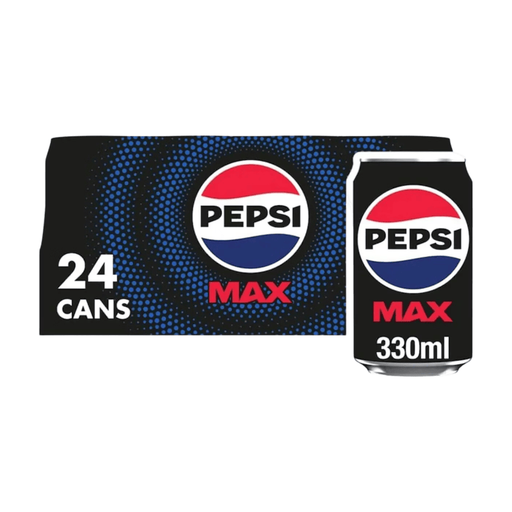 No image available
A no-sugar cola for an afternoon snack if caffeine is acceptable. The Joybuy nutrition information lists 0g sugars, while its ingredients list caffeine; this is not the Caffeine Free variant.
 No image available
A Coca-Cola variant for a snack-time sugar-reduction swap. The Joybuy nutrition information lists 0g sugars; Coca-Cola GB lists caffeine in standard Coca-Cola Zero Sugar, so check for the separately named zero-caffeine variant if needed.
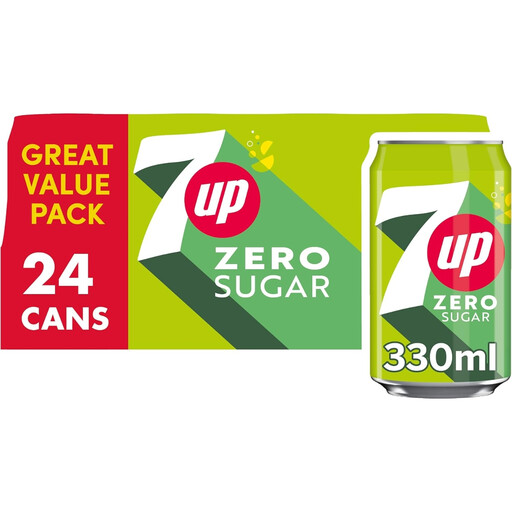 No image available
A lemon-and-lime option if you prefer a non-cola drink with your snack. Check the exact pack’s nutrition panel and ingredients when choosing for sugar, caffeine or sweeteners.
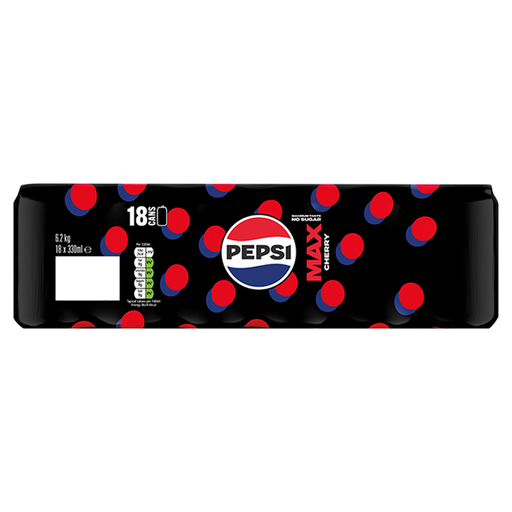 No image available
A cherry-flavoured cola option for a different snack-time flavour. Check the nutrition panel and ingredient list for this exact Cherry variant rather than assuming they match standard Pepsi MAX.
It can replace a sugary fizzy drink when cutting sugar is the aim: NHS guidance includes sugar-free and diet drinks among the alternatives. Check the nutrition panel for the exact flavour and pack, since brands also sell standard sugary variants.
For frequent between-meal sipping, NHS oral-health guidance favours water or plain milk. It explains that fizzy drinks are acidic and even diet versions can wear enamel.
Choose a variant explicitly labelled caffeine-free and check its ingredients. Coca-Cola GB and Pepsi UK list caffeine in standard Coca-Cola Zero Sugar and Pepsi MAX, while caffeine-free products are separately named.
Sweeteners can differ between zero-sugar variants, and some packs carry a statement that they contain a source of phenylalanine. Read the label of the exact drink if you need to avoid a particular ingredient.
No: an HFSS label alone does not establish a UK-wide school-meal rule for every diet drink. The Department of Health and Social Care’s cited retail-promotion guidance applies to businesses selling in England, while the Department for Education’s school-food guidance concerns state-funded schools in England. For school procurement, check the applicable nation’s current rules and the exact drink; the Department for Education’s guidance dated 14 September 2026 says updated English school-food standards remain subject to Parliamentary approval, with implementation expected from September 2027.