What should you check before choosing?
Start with whether you want a fizzy drink at all. If you do, compare sugar, caffeine and ingredients on the exact can or bottle you intend to buy.
Zero-sugar cola with caffeine
Consider it: You want a cola-style drink with lunch and are choosing a zero-sugar variant rather than a sugary one.
Bear in mind: Coca-Cola Zero Sugar, Pepsi Max and Diet Pepsi list caffeine or caffeine flavouring in their UK ingredients; zero sugar does not remove fizzy-drink acidity.
Caffeine-free zero-sugar fizz
Consider it: You want a fizzy drink with lunch but do not want caffeine from that drink.
Bear in mind: Caffeine-free is not acid-free; check the sweeteners too if an ingredient matters to you.
Water or lower-fat milk
Consider it: Avoiding acidic carbonation matters more than having a fizzy-drink flavour.
Bear in mind: This means giving up the fizz you might otherwise want with lunch. The NHS lists both drinks as alternatives to sugary fizzy drinks.
| Priority | What to check | Your needs |
|---|
| Sugar |
Read sugars per 100ml and per serving on the exact variant. Compare standard and zero-sugar versions rather than assuming they have the same formulation. |
I want to keep a fizzy drink with lunch while choosing a version labelled with less sugar. |
| Caffeine |
Look for explicit caffeine-free wording and check the ingredients. A diet or zero-sugar label alone does not establish caffeine status. |
I would rather not have caffeine from my lunch drink, especially if I am also having tea or coffee. |
| Acidity |
Decide whether a carbonated drink fits this priority. The NHS associates carbonated drinks with dental erosion even when they contain no sugar. |
If I am concerned about frequent exposure to fizzy drinks, a non-fizzy option makes more sense for my lunch. |
| Sweeteners |
Read the ingredients and any phenylalanine declaration on the exact pack. According to the NHS, aspartame is unsuitable for people with phenylketonuria (PKU). |
If I have PKU, the sweetener in a particular flavour or variant matters more than its diet branding. |
Relevant brand ranges
These brand examples help distinguish formulations; they do not indicate that every variant is among the Joybuy products below.
Coca-Cola
Coca-Cola Zero Sugar is a zero-sugar cola, while Coca-Cola Great Britain identifies Coca-Cola Zero Sugar Zero Caffeine as a separate caffeine-free variant.
- The Coca-Cola Great Britain label lists 0g sugars for Coca-Cola Zero Sugar.
- Standard Coca-Cola Zero Sugar lists caffeine flavouring and aspartame; check the exact variant if either ingredient matters to you.
Pepsi
Pepsi Max and Diet Pepsi are distinct zero-sugar cola variants; Pepsi Max No Caffeine is the separately named caffeine-free option.
- Pepsi UK lists 0g sugars per 100ml for Pepsi Max and Diet Pepsi.
- The regular Pepsi Max and Diet Pepsi ingredient lists include caffeine and aspartame.
Sprite
Sprite Zero Sugar is a lemon-and-lime alternative to cola that Coca-Cola Great Britain identifies as caffeine-free.
- The listed Sprite Zero Sugar formulation has 0g sugars per 100ml.
- Its listed ingredients include acids and sweeteners, including aspartame; zero sugar does not remove the acidity of a fizzy drink.
Joybuy fizzy drink options
These canned zero-sugar and sugar-free options offer cola, lemon-and-lime and apple flavours for a lecture lunch. Check the exact pack for caffeine and ingredients where those affect your choice; a non-fizzy drink remains a separate option.
 No image available
Pepsi Max Caffeine Free, 24 × 330ml
A canned cola option when you want to avoid caffeine with lunch. The pack contains 24 × 330ml cans; check its sugar and sweetener information on the label. It remains a carbonated drink, and people with PKU should check for a phenylalanine declaration.
Joybuy
 No image available
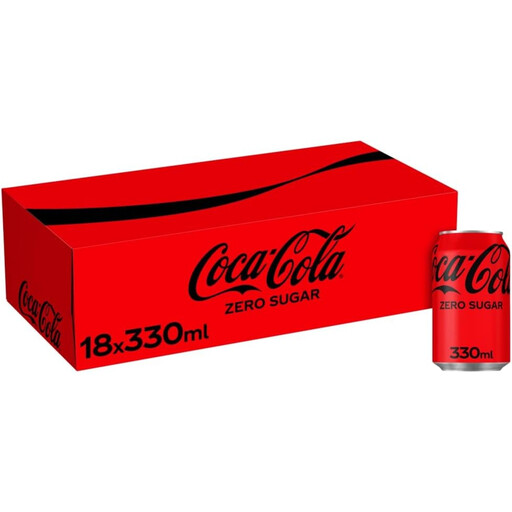
Coca-Cola Zero Sugar, 18 × 330ml
A zero-sugar cola choice in 18 × 330ml cans. Coca-Cola Great Britain lists caffeine flavouring and aspartame for Coca-Cola Zero Sugar, so choose the separately named Zero Caffeine variant if avoiding caffeine is your priority. This drink is still carbonated.
Joybuy
 No image available
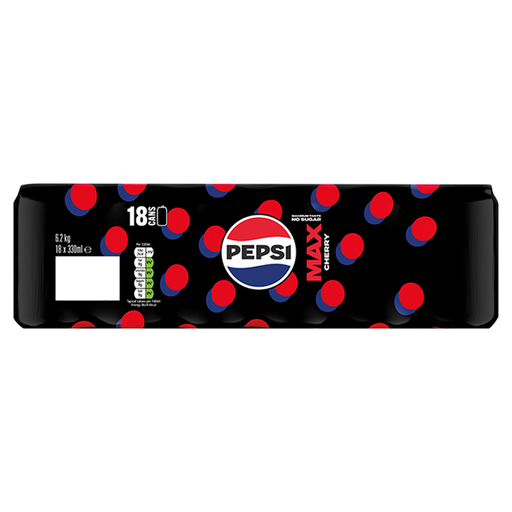
Pepsi Max Cherry, 18 × 330ml
A cherry-flavoured cola choice in 18 × 330ml cans for someone who wants a different flavour with lunch. Check this variant’s sugar, caffeine and sweetener information on the pack rather than applying the regular Pepsi Max label to it. It remains a fizzy drink.
Joybuy
 No image available
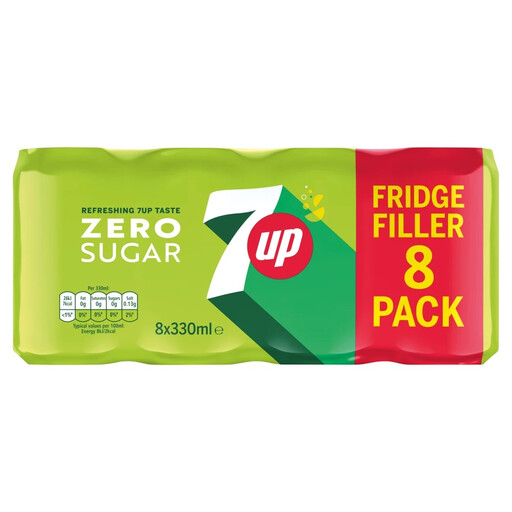
7UP Zero, 8 × 330ml
A lemon-and-lime alternative to cola in 8 × 330ml cans. If you are choosing it to avoid caffeine, confirm the caffeine-free wording on the exact pack; check the energy and sweetener declarations too. Zero sugar does not mean zero calories or remove fizzy-drink acidity.
Joybuy
 No image available
Tango Apple Sugar-Free, 24 × 330ml
A sugar-free apple-flavoured option in 24 × 330ml cans. Check the exact pack’s caffeine information if you are avoiding caffeine, along with its ingredients. As with other fizzy drinks, sugar-free does not mean non-acidic.
Joybuy
Questions about diet fizzy drinks
Can a zero-sugar fizzy drink replace a sugary one at lunch?
Yes, if your aim is to choose a drink with less sugar while keeping the fizz: the NHS lists sugar-free and diet drinks among alternatives to sugary fizzy drinks. Compare sugars per 100ml on the exact variants, and remember that a zero-sugar fizzy drink can still be acidic.
Does zero sugar mean a fizzy drink is harmless for teeth?
No. The NHS associates carbonated drinks with dental erosion because of their acid content, whether they contain sugar or sweeteners. A zero-sugar label tells you about sugar, not acidity.
How can I choose a diet fizzy drink without caffeine?
Look for a variant explicitly labelled caffeine-free and check the exact pack. Coca-Cola Great Britain identifies Coca-Cola Zero Sugar Zero Caffeine and Sprite Zero Sugar as caffeine-free options; regular Coca-Cola Zero Sugar, Pepsi Max and Diet Pepsi list caffeine or caffeine flavouring.
What should someone with PKU check on a diet fizzy drink?
Check the ingredients and phenylalanine declaration on each variant, and follow clinical dietary advice. The NHS says aspartame is unsuitable for people with phenylketonuria (PKU) because it contains phenylalanine; some zero-sugar fizzy drinks list aspartame.


