Hosts offering a choice of flavours
If the group does not all want cola, a selection of cola, citrus and fruit-flavoured zero-sugar drinks offers distinct flavour options without assuming one will suit everyone.


For a Chinese takeaway night, choose a zero-sugar cola, citrus drink or fruit-flavoured option according to what the group would like to drink; a mix may make more sense than one flavour for everyone. Check the exact pack for sugars, sweeteners and caffeine, particularly if someone has phenylketonuria (PKU) or wants to avoid caffeine. Zero sugar does not remove the acidity consideration: the NHS says carbonated drinks can be associated with dental erosion regardless of their sugar or sweetener content.
For a shared takeaway, start with the flavours people want, then check the exact drinks against any ingredient preferences.
If the group does not all want cola, a selection of cola, citrus and fruit-flavoured zero-sugar drinks offers distinct flavour options without assuming one will suit everyone.
Coca-Cola Zero Sugar and Pepsi Max are cola-style options. Anyone avoiding caffeine or checking for aspartame should read the label of the exact variant rather than relying on its zero-sugar name.
Lemon-and-lime, orange and other fruit-flavoured drinks offer different directions for the meal. Check each recipe separately: flavour and zero-sugar wording do not establish its full ingredient profile.
Choose the flavours and amount for the group, then use the nutrition and ingredient labels to narrow down the exact variants.
| Priority | What to check | Your needs |
|---|---|---|
| Sugars | Check sugars per 100 ml on the nutrition panel. Confirm the named zero-sugar variant rather than assuming another drink from the same brand has the same recipe. | I want a fizzy drink with 0 g sugars listed, so the exact variant matters more than the brand name alone. |
| Flavour mix | Distinguish cola, lemon-and-lime, lemon, orange and other fruit flavours. Check which flavours are in the packs you are buying. | Not everyone wants cola with a Chinese takeaway; I would choose flavours the group is likely to drink. |
| Caffeine | Read the ingredients of the exact drink. Coca-Cola Zero Sugar Zero Caffeine and Pepsi Max Caffeine-Free are separate variants from the standard products, according to their manufacturers. | For an evening meal, I may want a caffeine-free variant rather than assuming all zero-sugar drinks are caffeine-free. |
| Aspartame and PKU | Look for aspartame or E951 and a phenylalanine warning. The NHS says aspartame is unsuitable for people with phenylketonuria (PKU). | If someone sharing the drinks has PKU, I need to check each pack before choosing it for them. |
| Acidity | Do not treat 0 g sugars as a statement about acidity. The NHS associates carbonated drinks with dental erosion due to their acid content, whether or not they contain sugar. | I want to reduce sugars without assuming a sugar-free fizzy drink removes every consideration for teeth. |
| Pack size | Compare the stated can count and volume with the number of people sharing. Consider whether more than one flavour would be useful. | A smaller group may not need the same number of cans as a larger gathering, especially if tastes differ. |
Cola, citrus and fruit-flavoured variants can have different sweetener and caffeine information. A claim on one variant does not describe another.
Read the ingredients on the exact flavour and pack, particularly when choosing a caffeine-free drink.
The NHS says carbonated drinks can be associated with dental erosion because of their acid content, even when they contain no sugar.
Keep that distinction in mind when deciding how often to serve acidic fizzy drinks; zero sugar describes sugars, not acidity.
According to the NHS, aspartame is unsuitable for people with phenylketonuria because they cannot metabolise phenylalanine.
Check every proposed drink for aspartame or E951 and the phenylalanine warning before including it for someone with PKU.
These examples show the flavour routes and label checks available to consider; a brand name alone does not describe every variant.
Coca-Cola Zero Sugar is the brand's zero-sugar cola option. Coca-Cola Zero Sugar Zero Caffeine is a separate variant.
Pepsi Max is a no-sugar cola; Pepsi Max Caffeine-Free is a separate product, according to Pepsi UK.
Sprite Zero offers a lemon-and-lime direction for people who would rather have citrus than cola.
Fanta Zero Orange and Fanta Zero Fruit Twist are fruit-flavoured alternatives listed by Tesco Groceries.
Dr Pepper Zero is an option for people who specifically want Dr Pepper's flavour rather than cola or citrus.
Tesco Groceries lists own-label diet and zero-sugar fizzy drinks in flavours including lemonade and orange.
These options cover zero-sugar cola, citrus and apple-flavoured drinks for sharing with a takeaway. Check the exact pack if caffeine or sweeteners affect your choice.
 No image available
A no-sugar cola option in a 24-can pack for a group that prefers Pepsi's cola flavour. Pepsi UK lists caffeine flavouring and a phenylalanine warning for Pepsi Max; check the exact pack when either matters.
 No image available
A zero-sugar cola option in a 24-can pack if the group wants a familiar cola flavour. This is not the separately named Coca-Cola Zero Sugar Zero Caffeine variant; check the ingredients if caffeine or aspartame matters.
 No image available
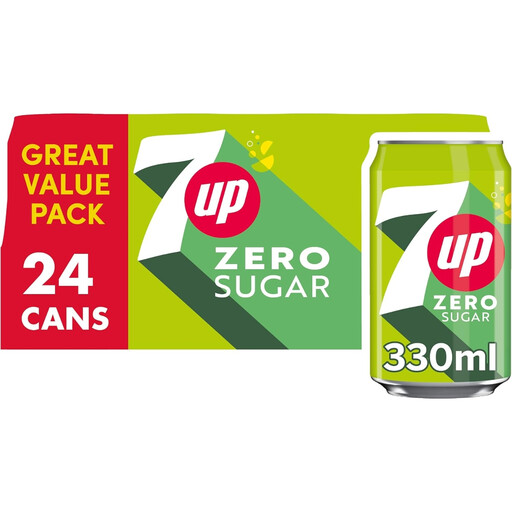
A lemon-and-lime zero-sugar option in a 24-can pack for people who prefer citrus to cola. Check its ingredient label for sweeteners; zero sugar does not remove the acidity consideration for fizzy drinks noted by the NHS.
 No image available
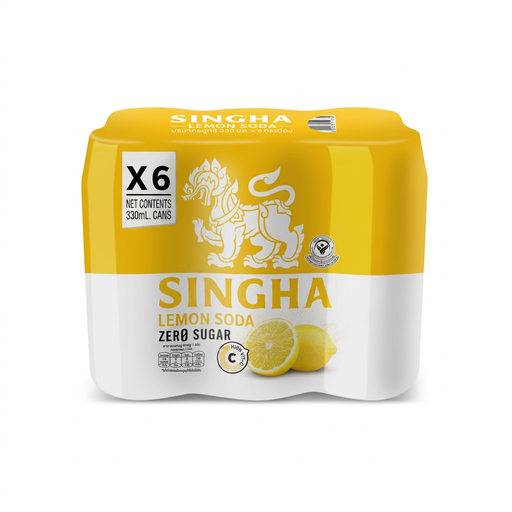
A lemon-flavoured zero-sugar soda in a six-can pack, which may suit a smaller group wanting a citrus option. If avoiding caffeine, confirm the ingredients on the exact pack.
 No image available
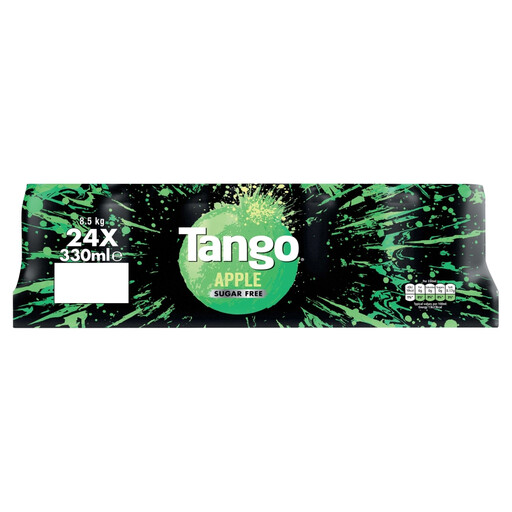
An apple-flavoured sugar-free option in a 24-can pack if the group would prefer fruit flavour to cola. Sugar-free does not necessarily mean calorie-free; check the nutrition panel and, if relevant, the ingredients for caffeine.
No. The NHS says carbonated drinks are associated with dental erosion due to their acid content, whether they contain sugar, sweeteners or neither. Check the sugar declaration for sugar content, but do not read it as an acidity measure.
They should not be given one containing aspartame. The NHS says aspartame is unsuitable for people with phenylketonuria (PKU); check the exact drink's ingredients for aspartame or E951 and its phenylalanine warning.
Not necessarily. Pepsi UK lists caffeine flavouring for Pepsi Max, while Pepsi Max Caffeine-Free and Coca-Cola Zero Sugar Zero Caffeine are separately named variants. Check the exact pack rather than relying on its zero-sugar description.