Families swapping a sugary fizzy drink
If an older child already has lemonade after school, a diet or zero-sugar version may reduce sugar intake. Compare the sugars figure on the exact pack, and serve any snack food separately.


Diet or zero-sugar lemonade can be an occasional swap for sugary fizzy lemonade when the pack confirms its sugar content, but it is a drink, not the after-school snack. For a routine drink, choose water or milk and serve food separately: the NHS notes that carbonated drinks can contribute to dental erosion because of their acid content, even when they contain no sugar. Check sweeteners if phenylketonuria (PKU) is relevant; NHS guidance does not recommend fizzy diet drinks for babies and young children.
The useful question is whether a fizzy drink is replacing another drink or being asked to stand in for the snack itself.
If an older child already has lemonade after school, a diet or zero-sugar version may reduce sugar intake. Compare the sugars figure on the exact pack, and serve any snack food separately.
If the drink will be offered frequently or sipped between meals, sugar is not the only consideration. The NHS associates carbonated drinks with dental erosion due to their acid content; water or milk is a non-fizzy alternative.
Recipes differ. If PKU is relevant, read the ingredients on each pack: the NHS says aspartame is unsuitable for people with PKU. A previous purchase or a ‘diet’ label cannot establish what is in the current pack.
Decide whether this is an occasional fizzy swap or a routine drink, then check the nutrition panel and ingredients of the exact product.
Choose when: An older child wants an occasional fizzy replacement for sugary lemonade and the pack’s sugar figure and ingredients suit them.
Bear in mind: Reducing sugar does not remove the acidity associated with carbonated drinks or provide the food in a snack, according to NHS guidance.
Choose when: You are planning the usual after-school drink, particularly if fizzy drinks would otherwise be sipped frequently.
Bear in mind: This does not offer the same fizzy flavour; choose the snack separately. NHS snack guidance includes fruit, vegetables and other simple food options.
| Priority | What to check | Your needs |
|---|---|---|
| Sugar content | Read sugars per 100ml on the exact pack. ‘No added sugar’ and ‘zero sugar’ are different label descriptions; check the figure rather than relying on the name. | I want to swap a sugary lemon drink for one with a clearly stated sugars figure. |
| How often it is drunk | Consider whether this is an occasional serving or a drink sipped repeatedly. The NHS associates carbonated drinks with dental erosion because of their acid content, regardless of sugar content. | For our usual after-school drink, I would rather offer a non-fizzy option than make lemonade the default. |
| The snack itself | Plan food separately from the drink. NHS after-school snack suggestions include fruit, chopped vegetables and toast. | I am putting together a snack, not expecting a can of lemonade to replace food. |
| Sweeteners | Read the current ingredients list. In particular, the NHS says aspartame is unsuitable for people with PKU; diet lemonade recipes differ. | Someone drinking it needs to avoid a particular sweetener, so the exact recipe matters to us. |
| Pack format | Check the can count or bottle size against likely use. Follow the opened-pack storage instructions; ASDA’s 2-litre Diet Lemonade label says to refrigerate it and consume it within 3 days of opening. | We only serve fizzy drinks occasionally, so I want a format we can use within its storage guidance. |
A zero-sugar drink can still be acidic and carbonated. The NHS associates carbonated drinks with dental erosion due to their acid content.
Treat diet lemonade as an occasional swap for a sugary fizzy drink, not as the routine drink to sip throughout the afternoon.
‘Lemonade’, ‘cloudy’, ‘diet’ and ‘no added sugar’ do not specify the same sugar content. For example, Marks & Spencer lists 4.4g sugars per 100g for its standard Lemonade, while Tesco lists 0g sugars per 100ml for R. White's Diet Lemonade.
Compare the sugars line and ingredients on the particular pack, taking care not to treat figures stated per 100g and per 100ml as identical measures.
Tesco lists aspartame in R. White's Diet Lemonade and Sprite No Sugar, while ASDA lists acesulfame K and sucralose in its Diet Lemonade. The NHS says aspartame is unsuitable for people with PKU.
Check the current ingredients of the exact drink if PKU or a sweetener-specific requirement applies.
ASDA’s 2-litre Diet Lemonade label says to refrigerate the bottle after opening and consume it within 3 days.
Choose a format that fits how often the household will serve it, and follow the pack’s storage instructions.
An opened bottle may go unused if the household cannot finish it within the labelled storage period.
These examples show why flavour, format and ingredients need checking product by product; a retailer’s wider lemonade range does not make every variant a diet drink.
A straight lemon-flavour diet lemonade available in a 6 × 330ml can format in Tesco’s listing.
A lemon-and-lime option rather than straight lemonade.
Its lemonade range includes diet and no-added-sugar names alongside standard lemonade.
Its Diet Lemonade is listed in a 2-litre bottle and a 6 × 330ml can pack.
Its lemonade range includes diet, cloudy and pink varieties as well as standard lemonade.
These zero-sugar lemonade and lemon-and-lime can packs are options for an occasional fizzy swap after school. Choose the snack separately, and check the current pack’s nutrition panel and ingredients before serving.
 No image available
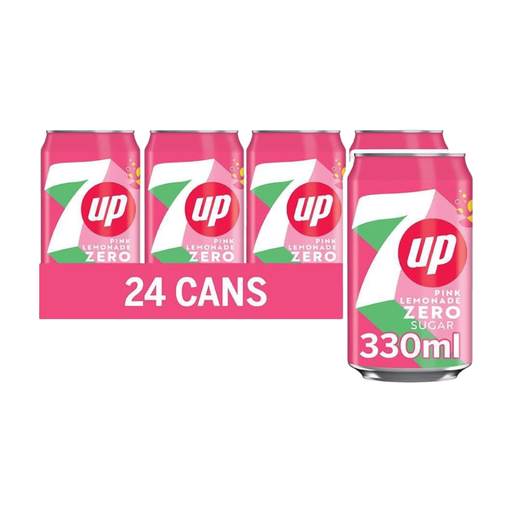
A 24-can lemonade pack for planned, occasional fizzy drinks alongside an after-school snack. Check sugars per 100ml and the current ingredients, particularly for aspartame if PKU is relevant; a zero-sugar name does not remove the acidity consideration.
 No image available
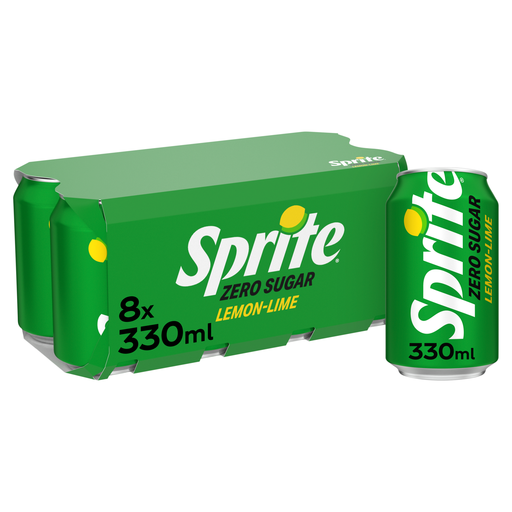
An eight-can lemon-and-lime alternative for an occasional drink rather than a straight-lemonade choice. Check the pack’s sugars figure and sweeteners; Tesco’s Sprite No Sugar listing includes aspartame, which the NHS says is unsuitable for people with PKU.
 No image available
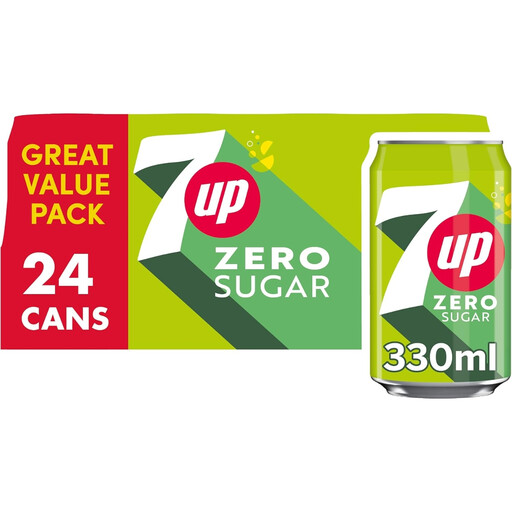
A 24-can zero-sugar-labelled option for households planning several occasional fizzy servings. It remains a drink rather than a snack; check the current nutrition panel and ingredients, including sweeteners where PKU is relevant.
 No image available
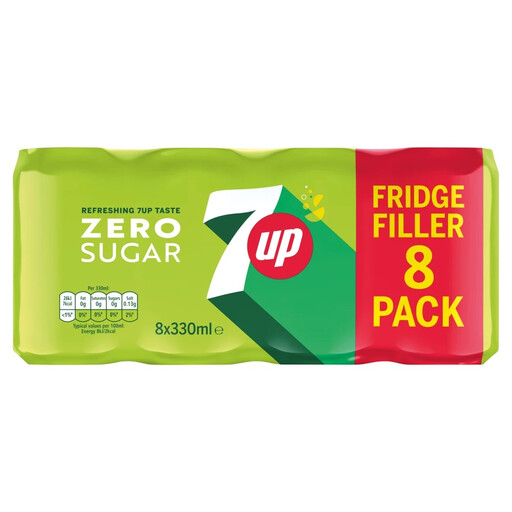
An eight-can format if a smaller multipack fits the household’s planned fizzy-drink occasions. Serve food separately, and use the exact pack to check sugars per 100ml and sweeteners before choosing it.
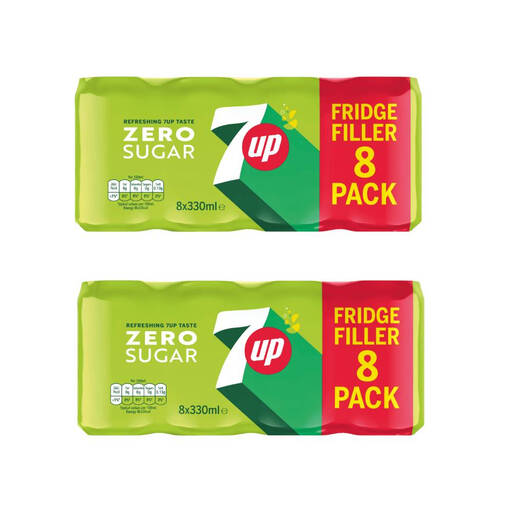 No image available
A zero-sugar-labelled can multipack for planned occasional use. Confirm the can count before buying, as the pack descriptions differ; also check the current sugars figure and ingredients, especially if PKU is relevant.
No: it is a drink, so plan food separately. NHS after-school snack ideas include fruit, chopped vegetables and toast; a diet lemonade can instead be an occasional swap for a sugary fizzy drink.
No. The NHS associates carbonated drinks with dental erosion because of their acid content, including drinks made with low- or no-calorie sweeteners. A zero-sugar label addresses sugar content, not acidity.
No. NHS guidance says diet or reduced-sugar drinks are not recommended for babies and young children, and notes that fizzy drinks are acidic and can damage tooth enamel. An after-school choice for an older child should not be applied to younger children.
Read the sugars figure on the exact product’s nutrition panel, using its stated per-100ml or per-100g basis. Product names alone are not enough: Tesco lists 0g sugars per 100ml for R. White's Diet Lemonade, whereas Marks & Spencer lists 4.4g sugars per 100g for its standard Lemonade.
Check the current ingredients for aspartame: the NHS says it is unsuitable for people with phenylketonuria (PKU). Recipes vary; Tesco lists aspartame in R. White's Diet Lemonade and Sprite No Sugar, while ASDA’s Diet Lemonade listing names acesulfame K and sucralose.