Hosts choosing a sharing bottle
A 2-litre diet lemonade may suit a group that wants lemon-flavoured fizz with less listed sugar than a regular lemonade. Check how many servings you expect and whether you can refrigerate the bottle after opening.


For a BBQ where you want to serve lemonade with less listed sugar than a regular version, compare the nutrition panels on diet or no-added-sugar bottles rather than relying on the name alone. If lemon-and-lime fizz would suit the menu, a zero-sugar version is another option; check its sweeteners for guests with specific requirements, and plan how you will store any opened sharing bottles.
A 2-litre diet lemonade may suit a group that wants lemon-flavoured fizz with less listed sugar than a regular lemonade. Check how many servings you expect and whether you can refrigerate the bottle after opening.
Ingredients matter when a guest has a sweetener-specific requirement. In particular, the NHS says aspartame is unsuitable for people with phenylketonuria (PKU), so check the exact drink’s label.
A traditional lemonade and a lemon-and-lime soft drink are different choices for the BBQ menu, even when both are sold in diet or zero-sugar versions.
Decide on the type of drink and serving format, then compare the nutrition panel and ingredients on the exact pack.
| Priority | What to check | Your needs |
|---|---|---|
| Listed sugar | Compare sugars using the same quantity and unit. Tesco lists less than 0.1g per 100ml and Sainsbury’s less than 0.5g per 100ml for their diet lemonades; Coca-Cola GB lists 4.4g per 100ml for regular Sprite. M&S lists its diet and regular lemonades per 100g instead. | I want a lower-sugar fizzy option for the group, so I will use the figures on the bottles rather than assume every drink labelled “diet” has the same sugar content. |
| Drink type | Read the product description for lemonade, lemon-flavour soft drink or lemon-and-lime drink. Check the exact pack’s nutrition panel rather than transferring figures between varieties. | Traditional lemonade suits the menu I have in mind; if guests would also welcome lemon-and-lime fizz, I have another type of drink to consider. |
| Sweeteners | Check the ingredient list and any phenylalanine statement. Coca-Cola GB lists aspartame in Sprite Zero; the NHS says aspartame is unsuitable for people with PKU. | Someone I am serving has a sweetener-specific requirement, so the ingredients of the actual bottle or can matter more than its front-of-pack wording. |
| Servings and storage | A 2-litre bottle provides eight 250ml glasses if poured in full. Tesco, Sainsbury’s and M&S instruct customers to refrigerate their listed 2-litre diet lemonades after opening and use them within 3 days. | For a group, I want enough to pour without leaving an opened bottle that I cannot store as its label directs. Individual cans may suit a different serving plan. |
| Acidity | Consider sugar and acidity separately. The NHS says carbonated drinks are associated with dental erosion because of their acid content, whether they contain sugar or sweeteners. | I would like a non-fizzy choice available alongside the lemonade rather than treat “sugar-free” as meaning tooth-neutral. |
Sprite Zero is described as lemon-and-lime, while the Tesco and M&S diet products are described as lemonade. That difference may matter when choosing drinks for a particular menu.
Decide whether lemon-and-lime is welcome before comparing sugar figures and pack sizes.
Sweetener ingredients differ. Coca-Cola GB lists aspartame and a phenylalanine statement for Sprite Zero, and the NHS says aspartame is unsuitable for people with PKU.
Check the ingredients and warnings on the exact pack when serving someone with a sweetener-specific requirement.
The NHS associates carbonated drinks with dental erosion because of their acidity, regardless of whether they contain sugar or sweeteners.
Keep water available alongside fizzy drinks rather than describing diet lemonade as tooth-neutral.
The listed Tesco, Sainsbury’s and M&S 2-litre diet lemonades instruct customers to refrigerate after opening and use within 3 days.
Estimate the glasses you need and check the storage instructions on the bottle you buy.
These product-line examples illustrate label differences; they are separate from the Joybuy options below.
Tesco Sparkling Diet Lemonade is a 2-litre sharing-bottle example.
Sainsbury’s Diet Lemonade is another 2-litre lemon-flavour soft drink.
M&S provides diet and regular lemonade examples with nutrition figures stated per 100g.
Sprite Zero is a lemon-and-lime alternative to lemonade.
These packs offer labelled zero-sugar lemonade, lemon soda or lemon-and-lime fizz in individual cans. Check the exact flavour and ingredients when deciding what to serve; they are not a comparison of the 2-litre sharing bottles discussed above.
 No image available
A 24-can format for individual BBQ servings. The listing title says Lemonade Zero, while its description identifies pink lemonade; check the flavour on the pack before choosing it.
 No image available
A lemon-and-lime option in 24 individual cans, rather than traditional lemonade. Check the can’s sweeteners and warnings if a guest has a specific requirement.
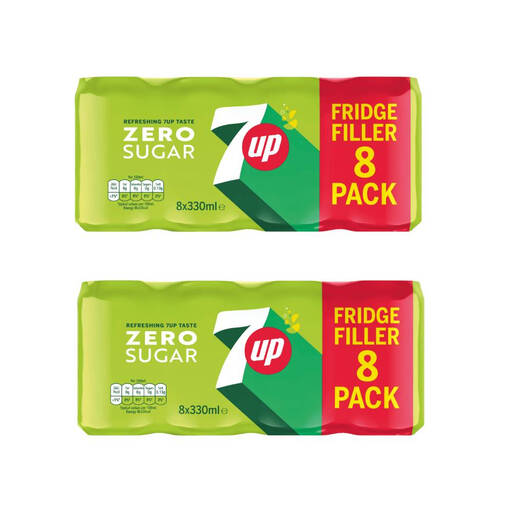 No image available
This 16-can lemon-and-lime format offers individual servings for a group. It is not traditional lemonade; check the ingredients on the cans when serving guests with sweetener-specific needs.
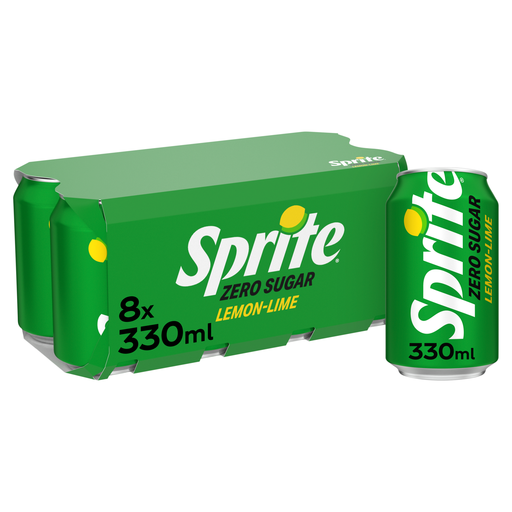 No image available
An eight-can lemon-and-lime pack for individual servings, rather than a sharing bottle of lemonade. Check the can’s ingredient list and warnings before serving anyone with a sweetener-specific requirement.
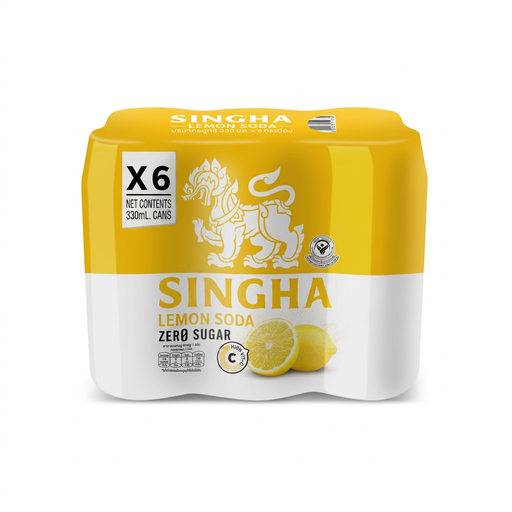 No image available
A six-can lemon soda option for individual servings, not a drink identified as traditional lemonade. Check the can label for its energy figure when comparing nutrition panels.
No. Tesco lists less than 0.1g sugars per 100ml for its diet lemonade, while Sainsbury’s lists less than 0.5g per 100ml. Read the nutrition panel on the exact product rather than treating “diet”, “no added sugar” and “zero sugar” as identical figures.
It depends on the product and the unit used on its label. M&S lists 4.4g sugars per 100g for its regular Lemonade; Coca-Cola GB lists 4.4g per 100ml for regular Sprite, which is a lemon-and-lime drink. Compare like units when choosing between packs.
Not automatically. The NHS says aspartame is unsuitable for people with phenylketonuria (PKU), and Coca-Cola GB lists aspartame and a phenylalanine statement for Sprite Zero. Check the ingredients and warnings on the exact drink before serving it.
No. The NHS says carbonated drinks are associated with dental erosion because of their acid content, whether they contain sugar or sweeteners. Sugar content and acidity are separate considerations.
For their listed 2-litre diet lemonades, Tesco, Sainsbury’s and M&S instruct customers to refrigerate after opening and consume within 3 days. Follow the directions on the bottle you buy, particularly if planning for BBQ leftovers.