Hosts sharing a drink
If several diners want conventional lemonade, a bottle allows drinks to be poured at the table. Sainsbury's lists eight 250ml servings for its 2-litre Diet Lemonade.


A 2-litre diet lemonade bottle suits a takeaway table where several people want conventional lemonade; cans make separate servings simpler. Compare sugar and energy using the same serving size, and check the sweeteners on the exact pack. Zero-sugar lemon-lime drinks are another option if that flavour suits the meal, but they are not the same as plain lemonade.
If several diners want conventional lemonade, a bottle allows drinks to be poured at the table. Sainsbury's lists eight 250ml servings for its 2-litre Diet Lemonade.
Cans let each person take a portion without opening a large bottle. ASDA lists its Diet Lemonade as a pack of six 330ml cans.
Sweetener lists differ between products. Check the exact pack if an ingredient or warning matters to you, rather than treating every diet or zero-sugar drink as interchangeable.
Choose the flavour and serving format first, then compare nutrition panels on a consistent basis and read the current ingredient list.
| Priority | What to check | Your needs |
|---|---|---|
| Sugar and energy | Compare sugars and energy per 100ml or for the portion you will drink. Sainsbury's lists less than 0.5g sugars and 3 kcal per 250ml; ASDA lists 0g sugars and 4 kcal per 330ml can. | I want to know what is in my drink alongside the takeaway, without mistaking different serving sizes for a like-for-like comparison. |
| Serving format | Check the bottle size, number of cans and servings. Sainsbury's lists eight 250ml servings in its 2-litre bottle; ASDA sells six 330ml cans. | For a shared table, I might pour from one bottle. If diners want separate drinks, cans make the portions straightforward. |
| Sweeteners | Read the ingredient list on the exact pack. M&S lists sucralose in its Diet Lemonade; the Tesco listing for R. White's names aspartame, acesulfame K and saccharin. | I want to identify particular sweeteners before deciding, rather than choosing on the word “diet” alone. |
| Flavour | Check whether the product is described as lemonade or as a lemon-lime drink. Sprite Zero Sugar is labelled lemon-lime. | Plain lemonade is what I have in mind, unless everyone at the table would welcome a lemon-lime alternative. |
| Drinking occasion | Consider how often the drink will be sipped. NHS patient guidance identifies lemonade, including sugar-free varieties, as a dental-erosion concern. | I am choosing a drink for the meal, not assuming that removing sugar removes every consideration associated with lemonade. |
Ingredient lists differ: M&S lists sucralose for its Diet Lemonade, while the Tesco listing for R. White's includes aspartame, acesulfame K and saccharin.
Read the current ingredient list for the specific drink and pack you intend to buy.
A lemon-lime drink may not give you the plain lemonade flavour you intended for the takeaway.
Check the product description and choose lemon-lime only if that flavour is welcome.
NHS patient guidance identifies acidic drinks such as lemonade as a dental-erosion concern even when advertised as sugar free.
Consider having lemonade with the meal rather than repeatedly sipping it between meals.
A changed recipe could affect a choice made to avoid a particular sweetener.
Check the physical pack label before serving, especially where an ingredient or warning matters to a diner.
These examples show differences worth checking on the exact drink; they do not indicate which products are stocked by Joybuy.
Its Diet Lemonade 2L is a conventional lemonade format for pouring at a shared table.
Its Diet Lemonade comes in a six-pack of 330ml cans for separate servings.
Its 2-litre Diet Lemonade is another bottle option for sharing.
The Diet Lemonade listed by Tesco is a six-pack of 330ml cans.
Sprite Zero Sugar is a lemon-lime option for diners who are not specifically looking for plain lemonade.
These canned options include a zero-sugar lemonade and citrus alternatives for diners who would also consider lemon-lime drinks or lemon soda.
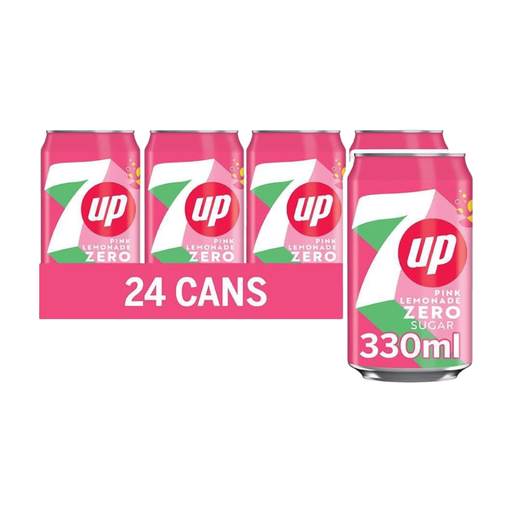 No image available
Individual cans offer a lemonade option when several diners want separate drinks. Check the current pack for its sweeteners and phenylalanine warning if either affects your choice.
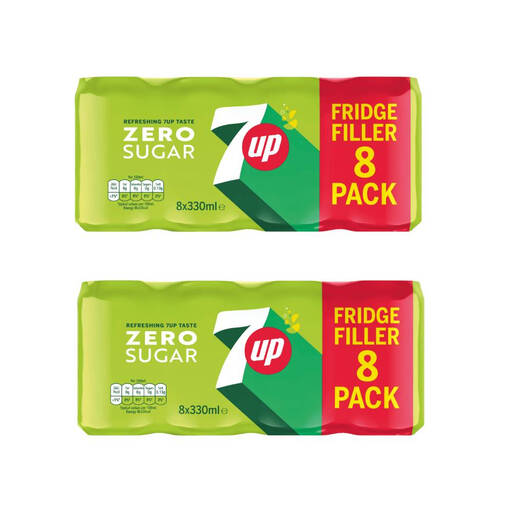 No image available
This bundle provides separate cans for a takeaway table if lemon-lime flavour appeals instead of plain lemonade. Its product information lists aspartame and a phenylalanine warning; check the current pack.
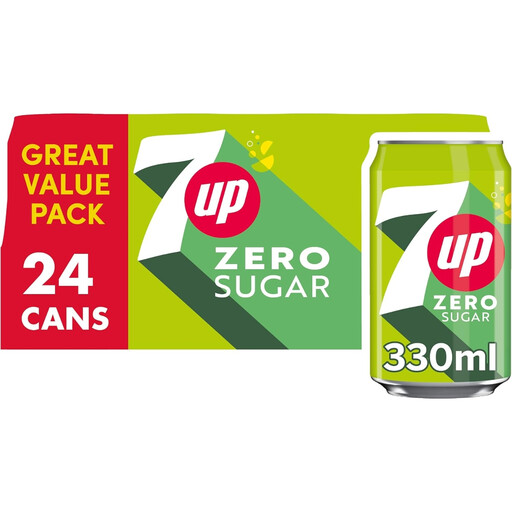 No image available
The 24-can format suits a table needing several individually portioned lemon-lime drinks. It is an alternative to conventional lemonade; check its current ingredient list and phenylalanine warning before serving.
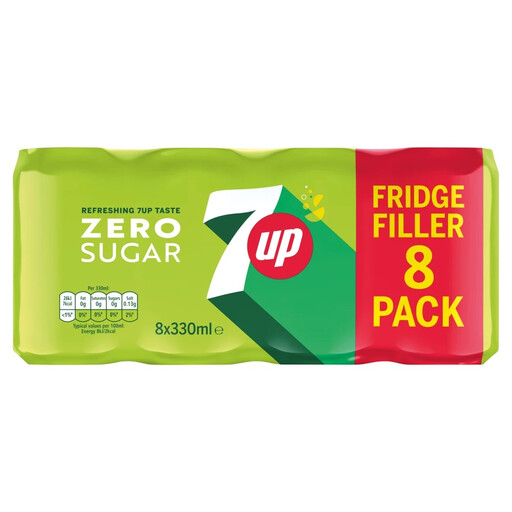 No image available
Eight individual cans may fit a smaller takeaway gathering that welcomes lemon-lime rather than plain lemonade. The product information lists aspartame and a phenylalanine warning; check the pack if these matter to you.
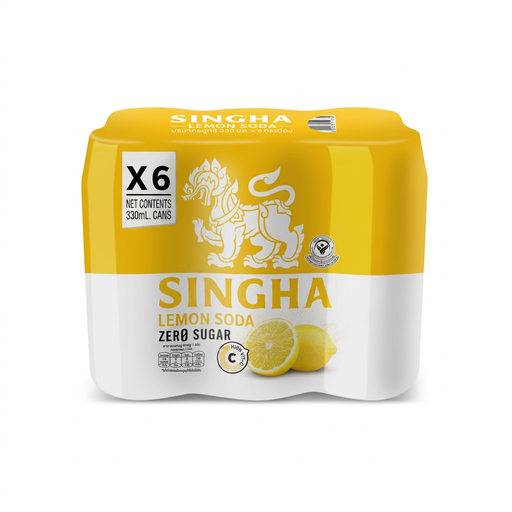 No image available
Six individual cans offer a lemon soda option when plain lemonade is not essential. If energy per serving matters to your decision, check the nutrition panel on the pack before buying.
Use the nutrition panel and compare the same quantity of drink. Sainsbury's lists less than 0.5g sugars and 3 kcal per 250ml of its Diet Lemonade, while ASDA lists 0g sugars and 4 kcal per 330ml can; those portions are different sizes.
A bottle works when several diners will pour from the same drink; Sainsbury's lists eight 250ml servings in its 2-litre bottle. Cans give each person a separate portion, as with ASDA's six 330ml cans. Choose according to how many drinks the table needs.
No. M&S lists sucralose in its Diet Lemonade, while the Tesco listing for R. White's includes aspartame, acesulfame K and saccharin. Read the current ingredients for the exact product you choose.
GOV.UK lists “Contains a source of phenylalanine” as the food and drink warning for aspartame. If this warning is relevant to you, check the current pack rather than relying on a different drink's ingredient list.
Yes. NHS patient guidance identifies lemonade, including varieties advertised as sugar free, as a dental-erosion concern. Removing sugar does not remove that consideration when deciding how often to drink it.