Hosts serving a mixed group
A shared bottle works for guests pouring drinks at the table; cans make it simpler to offer separate portions. Ask whether the group expects lemonade or would also welcome lemon-lime fizz.


For a brunch where guests will pour their own drinks, a large bottle of diet lemonade is a practical choice; choose cans if separate portions are easier to serve. Decide whether guests want classic lemonade, cloudy lemonade or a lemon-lime alternative, then check the exact pack’s sugars and sweeteners. Products containing aspartame are unsuitable for people with PKU, and zero sugar does not remove the dental-erosion concern associated with acidic fizzy drinks, according to the NHS.
A shared bottle works for guests pouring drinks at the table; cans make it simpler to offer separate portions. Ask whether the group expects lemonade or would also welcome lemon-lime fizz.
Diet and zero-sugar wording does not tell you every value on a nutrition panel. Compare sugars and energy on the exact packs, using the same per-100ml basis where available.
Recipes differ between drinks. If anyone has phenylketonuria (PKU), check the ingredient list for aspartame: the NHS says it is unsuitable for people with PKU.
Start with how you will serve the drinks and the flavour guests expect, then compare the nutrition panel and ingredients on the packs you are considering.
| Priority | What to check | Your needs |
|---|---|---|
| Serving format | Compare bottle volume with the number and size of cans. Check storage instructions if a bottle may be left open. | For drinks poured at the table, I would choose a shared bottle. If guests will take their own drinks, separate cans may be easier to hand out. |
| Sugars and energy | Read both values on the exact nutrition panel. Compare like with like: some labels give values per 100ml, while others use per 100g. | I want to compare diet drinks without assuming that the words “diet” and “zero” describe identical nutrition values. |
| Sweeteners | Read the ingredient list rather than inferring the recipe from the flavour or brand. Look specifically for aspartame if someone has PKU; the NHS says it is unsuitable for them. | Before serving a guest with PKU, I need to check the particular drink and pack, not just choose any diet lemonade. |
| Flavour | Distinguish classic lemonade from cloudy lemonade, lemon-lime drinks and lemon soda. Check fruit ingredients if they matter to your choice. | A traditional lemonade may suit the table, but I might choose cloudy lemonade or a lemon-lime alternative if that is what guests prefer. |
| When it will be served | Consider whether the fizzy drink will accompany brunch or be sipped throughout the day. UK oral-health guidance advises keeping acidic drinks to mealtimes. | I can serve lemonade with the meal and put out water for anyone who wants another drink later. |
R. White’s Diet Lemonade and Sprite Zero list aspartame, while the selected Tesco and M&S diet lemonades list different sweeteners. The NHS says aspartame is unsuitable for people with PKU.
Check the ingredient list on each pack you plan to serve, particularly if a guest needs to avoid aspartame.
The NHS associates carbonated drinks with dental erosion because of their acidity; removing sugar does not remove that consideration.
Serve fizzy drinks with brunch rather than encouraging repeated sipping between meals, in line with UK oral-health guidance, and offer water too.
Sprite Zero is described as a lemon-and-lime soft drink, whereas Tesco Diet Lemonade and R. White’s Diet Lemonade are sold as lemonade. The flavour choice matters even when shoppers are looking for drinks with little or no sugar.
Choose a lemonade for guests expecting that style; offer lemon-lime fizz if it is a flavour they want.
A bottle can be poured across the table, but any remainder needs to be stored according to its label. Cans provide separate portions.
Estimate how many drinks the group will have and check the opened-bottle instructions before choosing a format.
These examples show how serving format, flavour and ingredients differ between particular products; they are not a ranking of the brands.
R. White’s Diet Lemonade is listed as a pack of six 330ml cans, a format for handing out individual drinks.
Tesco Sparkling Diet Lemonade comes in a 2L bottle for pouring at a shared table.
M&S lists both a standard Diet Lemonade and a cloudy variant, offering a choice between lemonade styles.
Sprite Zero is a lemon-lime soft drink to consider when guests want that flavour rather than traditional lemonade.
These are can multipacks labelled as zero-sugar lemonade or other citrus fizzy drinks. Check the flavour and pack size: a lemon-lime drink or lemon soda is not necessarily what guests mean by lemonade.
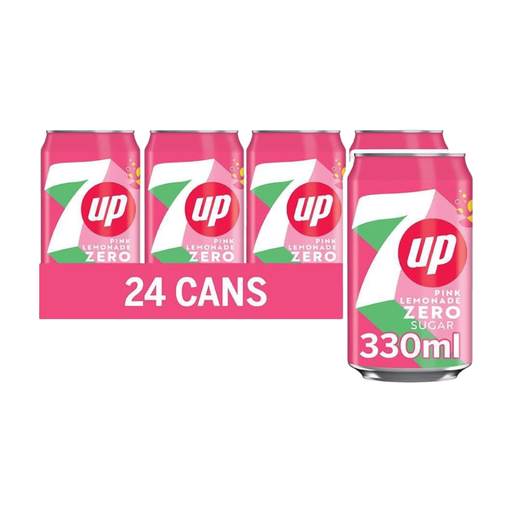 Image unavailable
The 24-can pack offers individual portions for a larger brunch group. The product information identifies aspartame; the NHS says it is unsuitable for people with PKU. Check the exact pack’s nutrition and ingredients before serving.
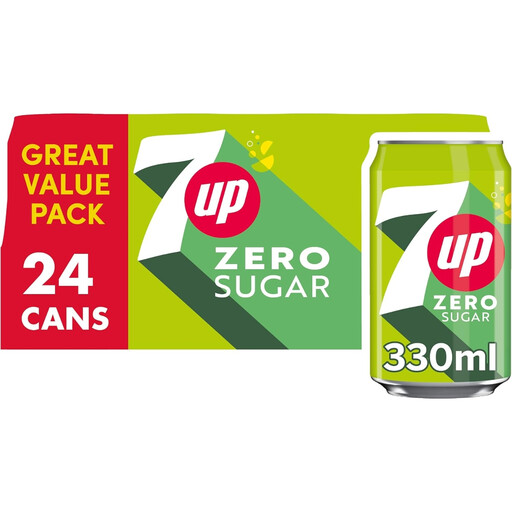 Image unavailable
This 24-can pack provides separate servings for guests who prefer lemon-lime fizz to classic lemonade. The product information identifies aspartame, which the NHS says is unsuitable for people with PKU.
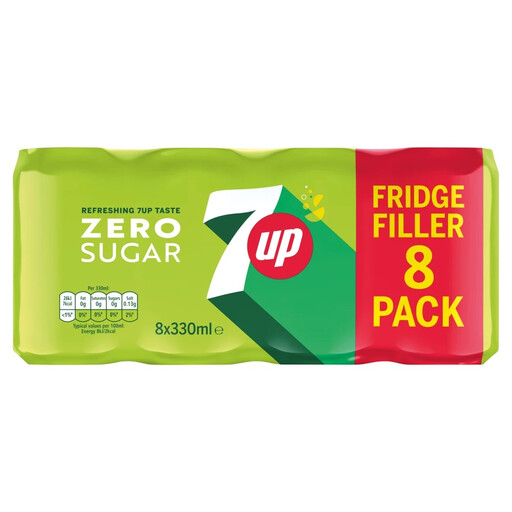 Image unavailable
The eight-can pack is another individually portioned lemon-lime option. It is not classic lemonade, and the product information identifies aspartame; the NHS says aspartame is unsuitable for people with PKU.
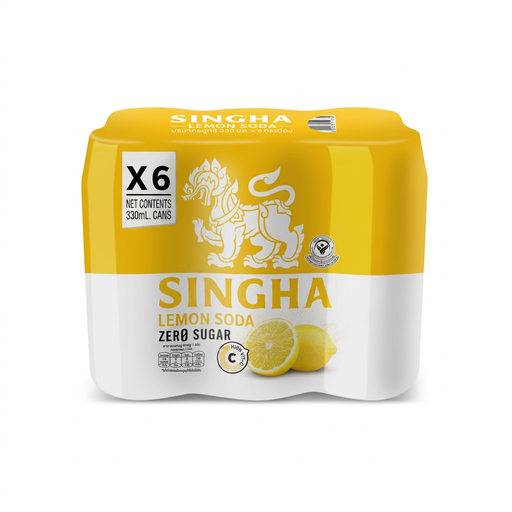 Image unavailable
Six 330ml cans offer individual servings if lemon soda suits the group instead of lemonade. Check the exact pack’s nutrition panel if energy is part of your comparison, as well as its ingredient list for any sweeteners guests need to avoid.
No. Check the nutrition panel on the exact pack rather than treating the names as interchangeable. Tesco Groceries lists 0g sugars for a can of R. White’s Diet Lemonade, while its Sparkling Diet Lemonade bottle is described as having no added sugar; those are different statements.
They need to avoid products containing aspartame, according to the NHS. R. White’s Diet Lemonade and Sprite Zero list it among their sweeteners, so check the current ingredient list of any drink before serving it to someone with PKU.
No. The NHS associates carbonated drinks with dental erosion because of their acidity. UK oral-health guidance advises keeping acidic drinks to mealtimes and considering alternatives between meals.
Choose a bottle if guests will pour drinks at the table, or cans if separate portions are easier to serve. Compare the pack size with the number of guests and follow the bottle’s storage instructions if any remains after brunch.
Not necessarily. Sprite Zero and 7UP Zero are lemon-lime soft drinks, while products sold as diet lemonade are intended to meet a different flavour expectation. Choose by what guests want to drink, then check the particular pack’s nutrition and ingredients.