Short or easy-ride cyclists
If you want a fizzy lemon drink without relying on it for exercise fuel, a diet or zero-sugar variant may fit. Keep your choice of drink separate from your hydration plan.


Diet or zero-sugar lemonade is a non-fuelling choice when you want a fizzy drink around a short or easy ride. For rides lasting longer than 90 minutes, British Cycling says additional fuel is needed; plan that separately and check a drink’s carbohydrate and salt values rather than assuming lemonade covers the ride.
If you want a fizzy lemon drink without relying on it for exercise fuel, a diet or zero-sugar variant may fit. Keep your choice of drink separate from your hydration plan.
British Cycling says sessions lasting longer than 90 minutes need additional fuel. Check what carbohydrate your drink contributes and plan another source if needed.
If you prefer a lower-sugar soft drink, compare the nutrition panels as well as the names on the bottles. Check sweetener ingredients and phenylalanine warnings where PKU is relevant.
Start with the ride and whether you expect the drink to provide fuel; then compare labels on the amount you intend to drink.
| Priority | What to check | Your needs |
|---|---|---|
| Ride fuel | Check carbohydrate per 100ml and per serving. British Cycling says rides longer than 90 minutes need additional fuel; calculate what the drink contributes to your wider plan. | I need to know whether this bottle contributes carbohydrate or is simply a fizzy drink alongside separately planned fuel. |
| Sugar preference | Compare carbohydrate and sugars on the current label, not just terms such as diet, zero sugar or zero added sugar. Coca-Cola Great Britain lists 0g carbohydrate and sugars per 100ml for Sprite Zero Sugar; Sainsbury’s lists less than 0.5g of each per 100ml for its Pink Lemonade Zero Added Sugar. | A lower-sugar drink appeals to me, but I do not want to mistake that choice for a way to fuel a longer ride. |
| Fluids and salt | Check the serving size and salt value when planning a longer or sweaty session. Do not assume an ordinary lemonade has the electrolyte profile you want from a cycling drink. | For a hot, indoor or longer ride, I want a fluid plan that accounts for the conditions as well as any fuel I carry. |
| Ingredients and acidity | Read the sweetener ingredients and any phenylalanine warning, particularly if PKU is relevant. The NHS says carbonated drinks are associated with dental erosion because of their acid content. | I want to check what is in the drink, rather than assuming that zero sugar removes every consideration associated with fizzy lemonade. |
Coca-Cola Great Britain lists 0g carbohydrate per 100ml for Sprite Zero Sugar, while British Cycling says rides longer than 90 minutes need additional fuel.
For a longer ride, work out carbohydrate from the nutrition panel and plan food, a carbohydrate drink or another suitable source separately.
A lemonade’s name does not tell you how much salt it provides. That distinction matters when you are planning fluids for a long, hot or sweaty session.
Check the salt value on the drink you intend to carry and consider it alongside your wider fluid plan.
Sainsbury’s lists a source-of-phenylalanine warning for 7UP Zero Sugar Pink Lemonade. Such warnings are an important label check for people with PKU.
Check the current ingredients for aspartame and read the warning on the particular bottle or can before choosing it.
The NHS associates carbonated drinks with dental erosion because of their acid content, regardless of whether sugar is present.
If you drink fizzy lemonade frequently, consider when and how often you sip it rather than treating a zero-sugar label as a dental assessment.
These label examples show why the particular variant matters more than the brand name alone.
R.White’s lists a Diet Lemonade alongside other lemonade variants.
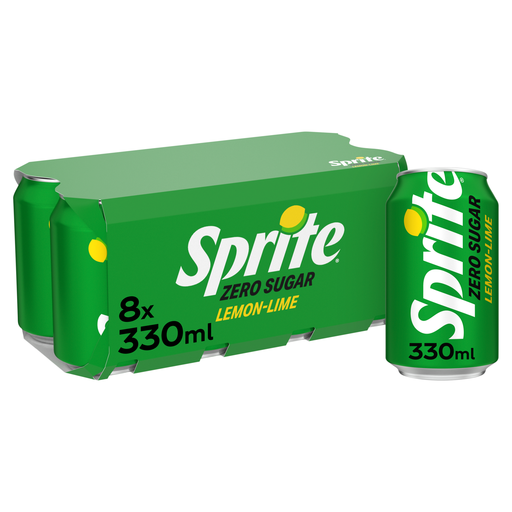
The Sprite range includes a zero-sugar lemon-and-lime soft drink.
Sainsbury’s Pink Lemonade Zero Added Sugar is a carbonated lemon-and-raspberry option.
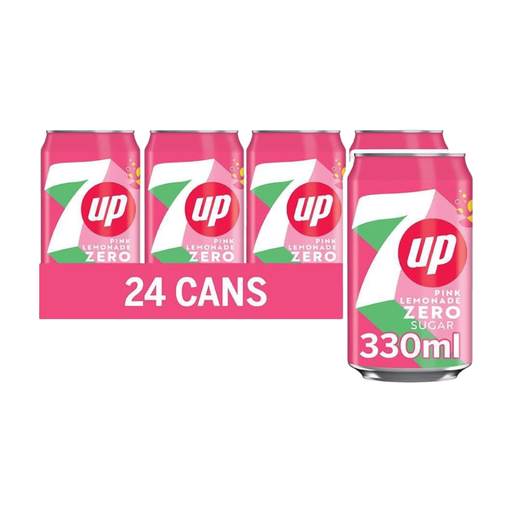
7UP Zero Sugar Pink Lemonade is another pink lemonade variant listed by Sainsbury’s.
These are zero-sugar lemonade, lemon-and-lime and lemon soda options for a fizzy drink when you are planning ride fuel separately.
 No image available
A zero-sugar lemonade option when you are not relying on the drink for ride fuel. The pack contains 24 330ml cans; check the current nutrition and ingredient label, including any phenylalanine warning.
 No image available
A no-sugar lemon-and-lime fizzy drink to consider when carbohydrate is planned separately. The pack contains eight 330ml cans; check the current nutrition panel and any sweetener or phenylalanine declaration.
 No image available
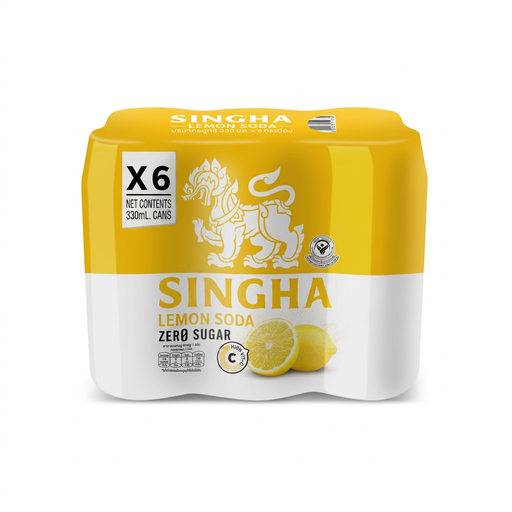
A zero-sugar lemon soda alternative, rather than a product named lemonade, for a fizzy drink outside your ride-fuelling plan. The pack contains six 330ml cans; check the serving basis on its current nutrition panel before comparing it with per-100ml labels.
Do not rely on it as your carbohydrate source. Coca-Cola Great Britain lists 0g carbohydrate per 100ml for Sprite Zero Sugar, and R.White’s describes carbohydrate in its Diet Lemonade as negligible. British Cycling says rides longer than 90 minutes need additional fuel, so plan that separately.
Not automatically. Check the regular lemonade’s carbohydrate and salt values against what you plan to drink and eat. British Cycling says sessions longer than 90 minutes need additional fuel; a lemonade label alone does not establish a complete fuelling plan.
Read the ingredients and any phenylalanine warning on the current pack, particularly if PKU is relevant. Sainsbury’s listing for 7UP Zero Sugar Pink Lemonade carries a source-of-phenylalanine warning; do not assume every zero-sugar drink uses the same ingredients.
No. The NHS says carbonated drinks are associated with dental erosion because of their acid content, whether they contain sugar or sweeteners. A zero-sugar label describes sugar content, not acidity.