Hosts serving a small group
A sharing bottle makes sense when guests want glasses of lemonade. Before choosing its size, consider how much the group will drink and whether you can store any remainder as the pack directs.


Choose a sharing bottle if several people will drink it and you can follow its instructions for use after opening; choose cans if separate portions or possible leftovers matter more. If the group prefers lemon-lime to traditional lemonade, consider a zero-sugar lemon-lime drink instead. Whatever the format, compare the exact pack’s sugars and sweeteners—particularly if anyone has phenylketonuria (PKU)—and remember that sugar-free fizzy drinks are still acidic.
A sharing bottle makes sense when guests want glasses of lemonade. Before choosing its size, consider how much the group will drink and whether you can store any remainder as the pack directs.
Check the nutrition panel on the exact drink and compare like serving sizes. A diet lemonade and a zero-sugar lemon-lime drink may differ in both flavour and ingredients.
Check the current ingredient list for aspartame or E951 rather than relying on the brand or the word “diet”. The NHS says aspartame is not suitable for people with PKU.
Start with the number of people drinking, then compare the exact pack’s flavour, nutrition and ingredients before deciding between a bottle and cans.
| Priority | What to check | Your needs |
|---|---|---|
| Sharing format | Compare the bottle volume or can count with the number of people drinking. For a bottle, read the instructions for storage and use after opening. | Several of us will share glasses, or I would rather give everyone a separate can without opening more drink than we expect to finish. |
| Nutrition label | Compare sugars and energy on the exact pack, noting whether figures are per 100ml, per glass or per can. Check what a full serving contains, not just the front-of-pack description. | I want to compare drinks using the amounts we will actually serve. In a 2024 Northern Ireland food-shopping survey of 611 interviewees by the Food Standards Agency and Ipsos Northern Ireland, 35% named nutritional claims on the back of packaging as their primary source of nutritional information; about 49% said they actively used traffic-light labelling. Neither figure measures lemonade preferences. |
| Sweeteners | Read the current ingredients for the particular variety. Check for aspartame or E951 if anyone drinking it has PKU; the NHS says aspartame is unsuitable for people with PKU. | Someone in our group needs to avoid aspartame, so a “diet” or “zero” description alone cannot settle the choice. |
| Flavour | Distinguish traditional lemon-flavour lemonade from lemon-lime drinks and lemon soda. Compare the product description rather than assuming similar nutrition means similar flavour. | We want lemonade with the film—or we are happy to choose a different lemon-flavoured fizzy drink. |
| Acidity | Do not treat “zero sugar” as meaning tooth-neutral. The NHS associates carbonated drinks with dental erosion because of their acid content. | I am choosing a drink for the film, not assuming that removing sugar removes every consideration associated with fizzy drinks. |
Those descriptions do not tell you whether the drink tastes of lemon or lemon-lime, which sweeteners it contains, or how its nutrition is presented per serving.
Compare the flavour description, nutrition panel and full ingredients list on the exact pack.
Tesco’s R. White’s Diet Lemonade listing and Coca-Cola GB’s Sprite Zero ingredients include aspartame. The NHS says aspartame is not suitable for people with PKU.
If someone drinking it has PKU, check the current pack for aspartame or E951 and follow their clinical dietary plan.
The NHS associates carbonated drinks with dental erosion due to acidity, regardless of their sugar content.
Do not use the absence of sugar as a reason to overlook how often the drink is sipped.
Sainsbury’s and M&S instruct buyers to refrigerate their listed bottles after opening and use them within three days. Tesco’s listed 2L diet lemonade also says to consume it within three days of opening.
Choose a bottle size the group expects to use, or consider cans if unopened individual portions would be more practical.
These product examples show why the variety and pack label matter more than the brand name alone.
Tesco lists R. White’s Diet Lemonade in a 330ml can multipack.
Sprite Zero is a lemon-lime alternative, rather than a traditional lemon-flavour lemonade.
Tesco lists own-label diet lemonade in a 2L bottle and a 6 × 330ml can pack.
Sainsbury’s lists an own-label diet lemonade in a 2L sharing bottle.
Asda lists an own-label diet lemonade in a 6 × 330ml can pack.
M&S lists a 1L diet lemonade bottle.
These options are canned zero-sugar lemonade, lemon-lime drinks and lemon soda for individual servings at movie night. Check the pack count against your group and the current label against any ingredient requirements.
 No image available
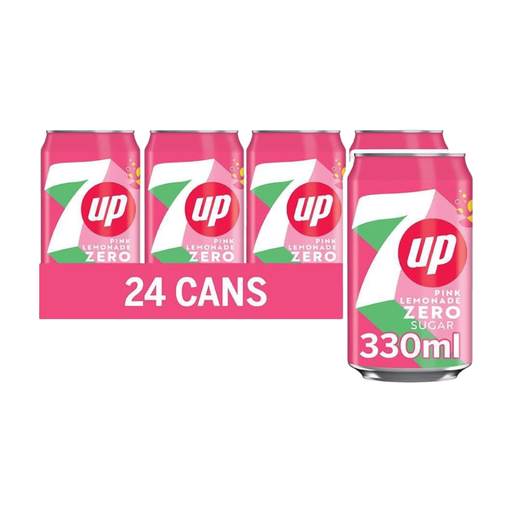
This 24-can lemonade pack allows separate servings; consider whether the group will use that many cans. Check the current ingredients for aspartame if anyone drinking it has PKU.
 No image available
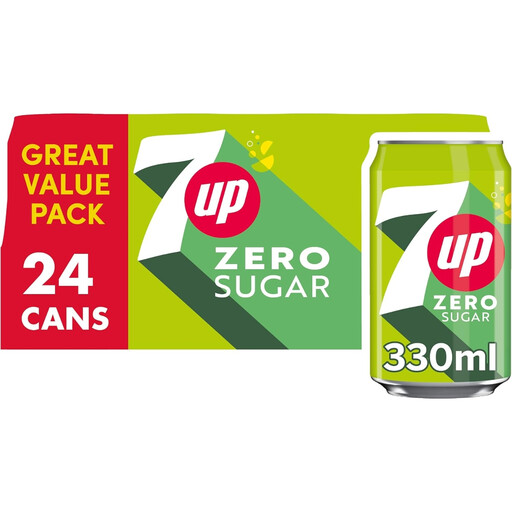
Choose this 24-can pack if separate lemon-lime drinks suit the group better than traditional lemon lemonade. Check the current ingredients for aspartame if anyone drinking it has PKU.
 No image available
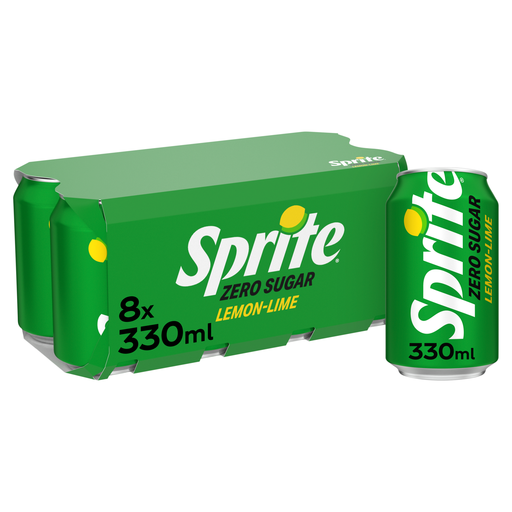
Eight individual cans may suit a smaller gathering that wants lemon-lime rather than traditional lemonade. Check the current pack’s energy figure and ingredients before choosing, particularly if anyone has PKU.
 No image available
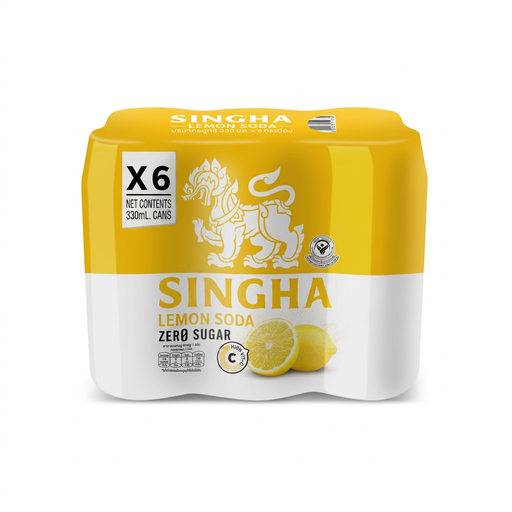
Six individual cans offer a lemon soda option rather than a drink described as lemonade. Check the current nutrition and ingredient labels, and choose it only if lemon soda suits the group’s flavour preference.
No. Sainsbury’s lists its Diet Lemonade as a lemon-flavour drink with less than 0.5g sugars per 250ml glass, while Coca-Cola GB lists Sprite Zero as a lemon-lime drink with 0g sugars and 1 kcal per 100ml. Check both flavour and the exact pack label.
Choose cans if you want individual portions or expect some drink to remain unopened; choose a bottle if several people will share glasses. Match the quantity to the group and check the bottle’s instructions for use after opening.
It depends on the ingredients of the exact drink. The NHS says aspartame is not suitable for people with PKU, and the listed ingredients for R. White’s Diet Lemonade and Sprite Zero include it. Check the current pack for aspartame or E951 and follow the person’s clinical dietary plan.
No. The NHS associates carbonated drinks with dental erosion because of their acid content, regardless of whether they contain sugar.
Follow its own label. The listed Sainsbury’s and M&S bottles say to refrigerate after opening and use within three days; Tesco’s listed 2L bottle says to consume it within three days of opening.