Households cutting sugar in fizzy drinks
Compare sugars per 100ml on like-for-like packs, then check the serving size you expect to pour. Read the ingredients too: a diet or zero-sugar name does not tell you which sweeteners the drink contains.


Choose diet, zero-sugar or no-added-sugar lemonade if reducing sugar is the deciding factor, but compare the nutrition panel and ingredients rather than relying on the name. For pantry stocking, match the pack to how quickly you will use it after opening; anyone buying for a person with phenylketonuria (PKU) must also check for aspartame. Sugar-free fizzy drinks still have an acidity consideration, according to NHS guidance.
The useful label details change with the reason you are stocking lemonade: sugar content, opened-bottle storage and sweetener ingredients do not answer the same question.
Compare sugars per 100ml on like-for-like packs, then check the serving size you expect to pour. Read the ingredients too: a diet or zero-sugar name does not tell you which sweeteners the drink contains.
A 2-litre bottle may fit shared meals, but check its instructions for use after opening. The reviewed Sainsbury's and M&S 2-litre drinks instruct shoppers to refrigerate them and consume them within three days of opening.
Aspartame, also labelled E951, is unsuitable for people with phenylketonuria (PKU). Check the current ingredients and the phenylalanine statement on the pack rather than assuming that all diet lemonades use the same sweetener.
Start with the reason for choosing a sugar-reduced drink, then choose a pack format your household can use as directed. Standard lemonade remains an option if you prefer its particular formulation, but its sugar content needs checking separately.
| Priority | What to check | Your needs |
|---|---|---|
| Sugar and energy | Compare sugars and energy per 100ml, then check the amount in your usual serving. Read the figures even when the front says diet, zero sugar or no added sugar. | I want a fizzy drink with less listed sugar than the standard formulation I would otherwise buy. |
| Sweetener ingredients | Read the ingredients for named sweeteners, particularly aspartame or E951, and check for a phenylalanine statement. Recipes differ between drinks. | Someone I am buying for has PKU, so I need to rule out any drink containing aspartame. |
| Pack size and storage | Check the bottle or can volume and the instructions after opening. The reviewed Sainsbury's and M&S 2-litre bottles specify refrigeration and use within three days. | Will we finish a large bottle in time, or would smaller cans make more sense for occasional drinks? |
| Flavour | Check whether the drink is plain lemonade, lemon-and-lime, or a pink fruit-flavoured version; a zero-sugar label does not establish the flavour. | I want the type of lemon drink the household will actually serve, not just a matching sugar claim. |
| Acidity | Do not use the sugar figure as a measure of acidity. NHS guidance associates carbonated drinks with dental erosion because of their acid content. | I am reducing sugar, but I do not want to treat a zero-sugar fizzy drink as tooth-neutral. |
Diet, zero-sugar and no-added-sugar drinks can have different listed sugars, energy values, sweeteners and flavours. The wording does not replace the nutrition panel.
Compare sugars and energy on the same per-100ml basis, then read the ingredients on the pack you are buying.
The reviewed Sainsbury's and M&S 2-litre bottles direct refrigeration and consumption within three days after opening. An opened bottle may be left unfinished if drinks are infrequent.
Match the pack size to planned use, and compare smaller bottles or cans when sharing a large bottle is unlikely.
Reviewed formulations of R. White's Diet Lemonade, Sprite Zero and 7UP Zero Pink Lemonade list aspartame, which is unsuitable for people with PKU.
Check for aspartame or E951 in the current ingredients and look for the phenylalanine statement.
NHS guidance links carbonated drinks with dental erosion because of acid content; removing sugar does not remove that consideration.
Use the sugar figure to compare sugar content, not to judge whether a fizzy drink is free of dental considerations.
These examples show why it is worth comparing exact formulations and formats. A brand name alone does not identify the sugar level, sweeteners or storage instructions of every drink it sells.
The reviewed R. White's Diet Lemonade is a conventional lemon-flavoured option listed in a 2-litre bottle.
Sprite and Sprite Zero are lemon-and-lime drinks, rather than plain lemonade; choose between the formulations by reading the exact label.
Tesco's lemonade range includes diet lemonade cans and a no-added-sugar cloudy lemonade option.
The reviewed Sainsbury's Pink Lemonade Zero Added Sugar is a 2-litre, fruit-flavoured alternative to plain lemonade.
The reviewed M&S Diet Lemonade is a 2-litre plain lemonade whose ingredients list sucralose.
These are zero-sugar lemon or lemon-and-lime fizzy drinks in can multipacks for pantry stocking. They include pink lemonade and lemon soda as well as lemonade alternatives, so check the flavour and pack size before choosing.
 No image available
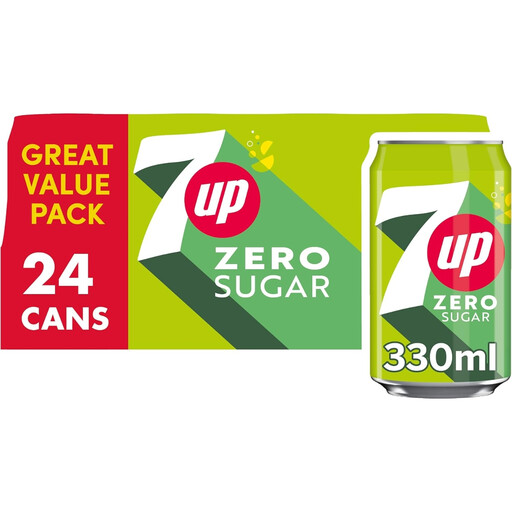
The 24 × 330ml can format suits a household planning to stock several servings without opening one large bottle. The product information lists 0g sugars per 100ml and describes a sparkling lemon-and-lime drink. It contains aspartame and carries a phenylalanine statement, so it is unsuitable for someone with PKU.
 No image available
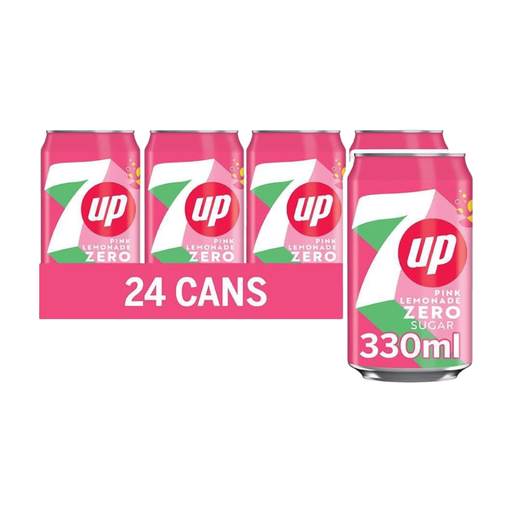
This 24-can pack is a pink lemonade option for sharing or stocking individual servings. Its product information lists 0g sugars per 100ml and describes lemon, lime and raspberry flavourings rather than plain lemonade. It contains aspartame and carries a phenylalanine statement, making it unsuitable for someone with PKU.
 No image available
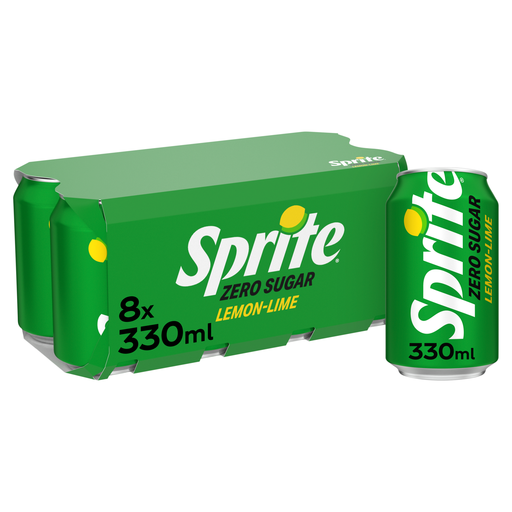
Eight 330ml cans offer a smaller multipack for a household that wants a lemon-and-lime drink rather than plain lemonade. The product information lists 0g sugars per 100ml. It also lists aspartame and a phenylalanine statement, so it is unsuitable for someone with PKU.
 No image available
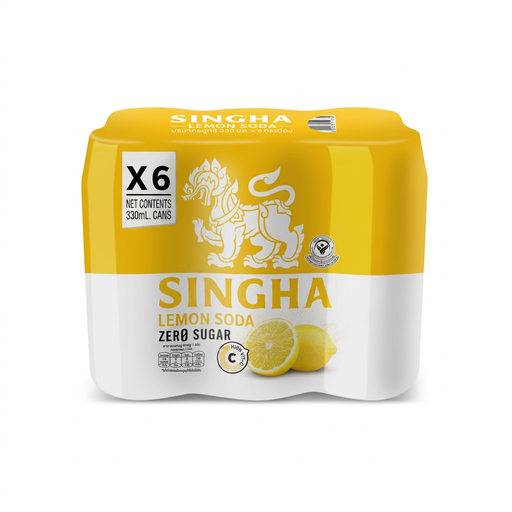
The six-can pack is a smaller stock of lemon-flavoured fizzy drink if lemon soda suits your needs; it is not described as lemonade. Its product information lists zero sugar, lemon juice concentrate, sucralose and acesulfame K. Check the current nutrition panel if energy content is important to your comparison.
No. It can reduce the sugar you buy in a fizzy drink when replacing a sugary formulation, but NHS guidance notes that carbonated drinks can still contribute to dental erosion because of their acid content. Check the exact drink's ingredients and pack instructions as well as its sugar figure.
They need to avoid a diet lemonade if it contains aspartame or E951, which is unsuitable for people with PKU. Read each current label: reviewed formulations of R. White's Diet Lemonade and Sprite Zero contain aspartame, while the reviewed M&S Diet Lemonade lists sucralose.
Follow the instructions on that bottle. The reviewed Sainsbury's Pink Lemonade Zero Added Sugar 2L and M&S Diet Lemonade 2L both instruct shoppers to refrigerate after opening and consume within three days; do not apply that period to every lemonade without checking.
No. Read the sugars value on the nutrition panel: Sainsbury's lists under 0.5g sugars per 100ml for its reviewed Pink Lemonade Zero Added Sugar. Compare the value per 100ml with other drinks rather than treating the front-of-pack phrases as identical figures.
Look for a phenylalanine statement as well as aspartame or E951 in the ingredients. GOV.UK food-labelling guidance specifies “Contains a source of phenylalanine” for products containing aspartame; that warning matters particularly when buying for someone with PKU.