For a school holiday lunch, a clearly labelled diet or zero-sugar lemonade can be an occasional swap for a sugary fizzy drink, but water or milk is the better routine choice for children, according to NHS child-health guidance. Compare sugars on the same measurement basis, choose a pack that suits how you will serve it, and check sweeteners carefully if phenylketonuria (PKU) is relevant. Sugar-free fizzy drinks can still contribute to dental erosion.
Who is this choice for?
The useful choice depends on whether the drink is going into a packed lunch, being shared at home or needs to meet a dietary restriction.
Parents packing school holiday lunches
A single can can be convenient for an outing when an occasional fizzy lemon drink is wanted instead of a sugary soft drink. NHS child-health guidance identifies water and milk as routine drinks for children; a diet lemonade is not a replacement for them.
Families comparing sugar content
A familiar name or a front-of-pack diet description does not replace the nutrition panel. Compare sugars per 100ml where that measure is available, then check the amount in the serving you plan to give.
Households where PKU is relevant
Anyone buying for a person with phenylketonuria (PKU) needs to check the current ingredients and phenylalanine warning. The NHS says aspartame is unsuitable for people with PKU; diet lemonades use different sweeteners.
What should you check before buying?
Choose the role of the drink first: an everyday lunch drink, an occasional fizzy swap or a sugary soft drink. Then compare the label and pack format within the option you intend to buy.
Water or milk
Choose when: You need a routine drink for a child’s lunch; NHS child-health guidance favours water and milk.
Trade-off: Neither gives the fizzy lemon flavour that prompted the lemonade choice.
Diet or zero-sugar lemonade
Choose when: You want an occasional fizzy alternative to a sugary soft drink and the current label confirms the sugar content suits that choice.
Trade-off: The NHS links carbonated drinks with dental erosion even without sugar; products containing aspartame are unsuitable for people with PKU.
Regular sugary soft drink
Choose when: You are deliberately serving an occasional sugary drink rather than assuming it has the same sugar content as a zero-sugar version.
Trade-off: Coca-Cola Great Britain lists regular Sprite at 4.4g sugars per 100ml, compared with 0g per 100ml for Sprite Zero; these are lemon-and-lime drinks, not classic lemonade.
| Priority |
What to check |
Your needs |
| Sugars |
Read sugars per 100ml and per serving where both are stated. Use the same unit when comparing drinks: Coca-Cola Great Britain lists 0g per 100ml for Sprite Zero and 4.4g per 100ml for regular Sprite. |
I want a fizzy lemon drink in place of a sugary soft drink, so I need to check the exact variant rather than rely on a similar-looking name. |
| Teeth and routine use |
Consider how often the drink will be served. The NHS says carbonated drinks are associated with dental erosion regardless of their sugar or sweetener content. |
For an everyday lunch drink, I would choose water or milk; a fizzy drink would be an occasional accompaniment. |
| Sweeteners |
Read the current ingredient list and any phenylalanine warning. The NHS says aspartame is unsuitable for people with PKU; do not assume all diet products use the same sweeteners. |
Someone in my household has PKU, or I want to know which sweetener is in the drink I am serving. |
| Pack format |
Check can size, bottle size and the number of servings. Tesco lists a 330ml diet lemonade can; ASDA and Sainsbury’s list 2L bottles with eight suggested 250ml servings. |
A ready-portioned can is easier to pack for an outing; at home, I may be serving several people from one bottle. |
| Opened-bottle storage |
Read the instructions on the bottle you buy. ASDA and M&S advise refrigeration after opening and use within 3 days for their listed diet lemonades. |
If only one person wants a fizzy drink occasionally, I need to consider whether a large bottle will be used within its stated storage period. |
| Current label |
Check the purchased pack’s nutrition panel, ingredients and warnings, particularly when choosing for a dietary restriction. |
I want the decision to reflect the drink I will actually serve, not just its product name. |
What is easy to overlook?
-
Treating “zero sugar” as a reason to serve lemonade every day
Removing sugar does not remove the dental-erosion consideration for a carbonated drink. The NHS associates carbonated drinks with dental erosion whether they contain sugar or sweeteners.
Keep diet lemonade as an occasional lunch accompaniment and offer water or milk as the routine drink for children.
-
Assuming every diet lemonade is suitable for someone with PKU
Sweetener ingredients differ between products, and the NHS says aspartame is unsuitable for people with PKU.
Check the current pack for aspartame, E951 or a phenylalanine warning before serving it to someone with PKU.
-
Picking up the regular version by mistake
For the lemon-and-lime Sprite range, Coca-Cola Great Britain lists 4.4g sugars per 100ml in regular Sprite and 0g per 100ml in Sprite Zero.
Read both the full variant name and the nutrition panel when regular and zero-sugar versions sit alongside one another.
-
Choosing a large bottle without planning how to use it
A shared bottle is different from a ready-portioned lunch drink. ASDA and M&S advise refrigerating their listed diet lemonades after opening and using them within 3 days.
Check the bottle’s storage instructions and consider a single serving when the household will not use a larger bottle promptly.
Brand and own-label references
These examples show why the exact drink and serving basis matter; a brand name alone does not establish the ingredients or nutrition of every product in its range.
R.White’s
A branded diet lemonade listed by Tesco in a 330ml multipack.
- Tesco lists R.White’s Diet Lemonade at 0g sugars and 2kcal per 100ml.
- Its listed ingredients include aspartame. The NHS says aspartame is unsuitable for people with PKU.
Sprite
A lemon-and-lime soft drink with regular and zero-sugar versions, rather than a classic lemonade.
- Coca-Cola Great Britain lists Sprite Zero at 0g sugars per 100ml, compared with 4.4g per 100ml for regular Sprite.
- The listed Sprite Zero ingredients include aspartame, and the product carries a phenylalanine warning.
Tesco
Its own-label Diet Lemonade includes a 330ml can format for a single serving.
- Tesco lists 0.1g sugars and 3kcal per 330ml can, with acesulfame K and sucralose as sweeteners.
- Check the current can label before serving, especially when ingredients matter to your household.
Sainsbury’s
Its own-label 2L Diet Lemonade is a shared-bottle option.
- Sainsbury’s lists less than 0.5g sugars and 3kcal per 250ml glass, with eight servings per bottle.
- A 2L bottle needs pouring into individual servings rather than going straight into a packed lunch.
Asda
Its own-label Diet Lemonade is listed in a 2L bottle for sharing at home.
- ASDA lists 0g sugars and 1kcal per 100ml, with acesulfame K and sucralose.
- ASDA advises refrigeration after opening and use within 3 days, which matters if the bottle will be shared by only a few people.
M&S
Its own-label Diet Lemonade offers another sweetener profile to check.
- M&S lists sucralose and reports less than 0.1g sugars and 2kcal per 100g. It states that the drink has no artificial colours or flavours.
- The nutrition figures use a per-100g basis, so do not directly compare them with per-100ml figures as though the units were identical.
Joybuy fizzy lemon drink options
These are canned zero-sugar lemon or lemon-and-lime drinks for someone considering an occasional, individually portioned lunch or outing drink. Some are labelled lemonade; the others are lemon-flavoured alternatives, not examples of classic lemonade.
 No image available
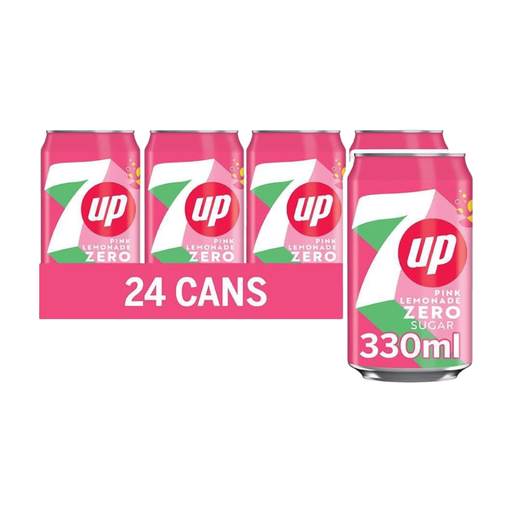
7 Up Lemonade Zero 24 × 330ml
The 330ml cans provide individual portions for lunches or outings, while the 24-can pack is a larger multipack commitment. Check the current pack’s sugars, sweeteners and phenylalanine warning before serving it, particularly if PKU is relevant. As a fizzy drink, it is an occasional alternative rather than a routine lunch drink.
View on Joybuy
 No image available
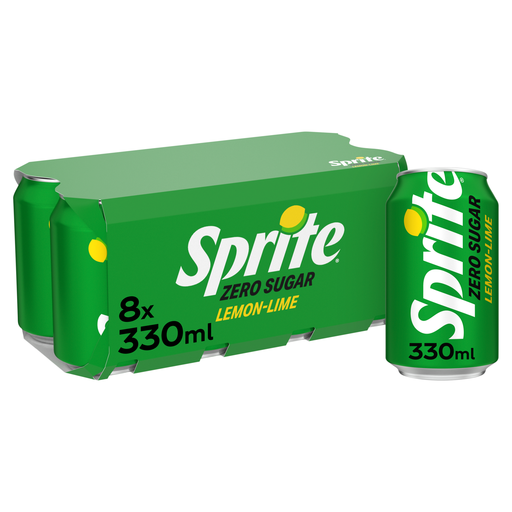
Sprite No Sugar 8 × 330ml
This eight-pack offers individually portioned cans for an occasional lunch or outing drink. Sprite is lemon-and-lime rather than classic lemonade; check that the pack says No Sugar and read its current sweetener ingredients and phenylalanine warning if PKU is relevant.
View on Joybuy
 No image available
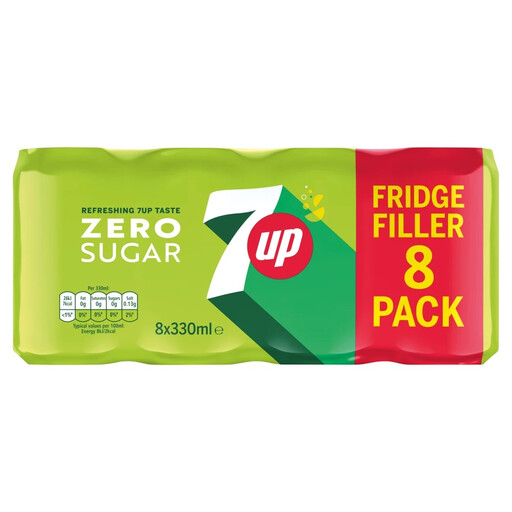
7UP Zero 8 × 330ml
The eight 330ml cans suit someone who wants individual portions rather than a bottle to share. This is a zero-sugar lemon-and-lime soft drink, not a product named lemonade. Read the current nutrition panel and check for aspartame or a phenylalanine warning before serving it to someone with PKU.
View on Joybuy
 No image available
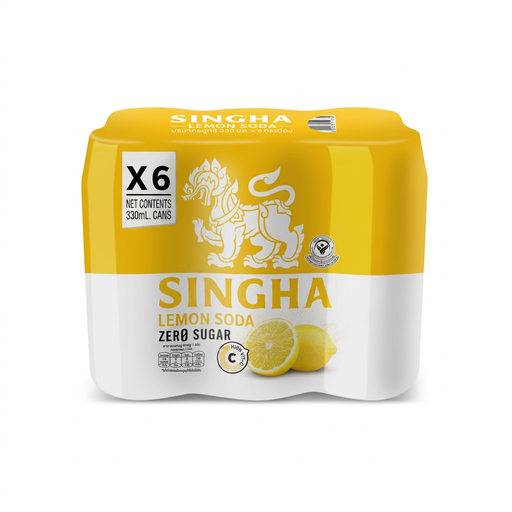
SINGHA Original Lemon Soda Zero Sugar 330ml × 6
Six individual 330ml cans provide a lemon soda option for an occasional lunch or outing. It is labelled lemon soda rather than lemonade. Check the current pack’s sugars per serving, sweetener ingredients and any phenylalanine warning before comparing it with other drinks or choosing it for someone with PKU.
View on Joybuy
Questions about lunch drinks
When does diet lemonade make sense for a school holiday lunch?
It can be an occasional alternative when it replaces a sugary fizzy drink and the label confirms the sugars and ingredients suit your household. NHS child-health guidance favours water and milk as routine drinks for children, while the NHS notes that carbonated drinks can contribute to dental erosion even without sugar.
Does zero sugar mean a fizzy drink cannot affect teeth?
No. The NHS associates carbonated drinks with dental erosion because of their acid content, whether they contain sugar or lower- or no-calorie sweeteners. Zero sugar answers a different question from how often to serve a fizzy drink.
Are all diet lemonades suitable for someone with PKU?
No. The NHS says aspartame is unsuitable for people with phenylketonuria (PKU), and sweeteners differ between products. Check the current pack for aspartame, E951 or a phenylalanine warning rather than assuming a diet label establishes suitability.
Is a can or a 2L bottle more practical for lunch?
A can gives you a stated individual portion to pack for an outing; a 2L bottle suits serving several people at home if you can follow its storage instructions. ASDA advises refrigerating its listed 2L Diet Lemonade after opening and using it within 3 days, so check the instructions on the bottle you buy.


