TV-dinner drinkers reducing sugar
If you want a fizzy lemon drink with dinner and are cutting back on sugar, compare the sugars and energy shown per 100ml. Then choose the flavour you would prefer with the meal.


Choose diet lemonade or a zero-sugar soda if reducing sugar in your TV-dinner drink is the priority, but compare the exact product’s sugars per 100ml rather than relying on its front-of-pack name. Decide whether you want traditional lemonade or lemon-and-lime flavour, then check the sweeteners and whether a bottle suits how much you will use after opening.
If you want a fizzy lemon drink with dinner and are cutting back on sugar, compare the sugars and energy shown per 100ml. Then choose the flavour you would prefer with the meal.
If you avoid aspartame or another particular sweetener, read the ingredients of the exact drink. A diet or zero-sugar name does not tell you which sweeteners its recipe uses.
Cans give each person a separate serving; a bottle can be poured for several people. For a bottle that may be left over, check its after-opening storage instructions before choosing a size.
Start with the nutrition panel and ingredients of the exact variety, then choose a flavour and pack format that fit dinner.
| Priority | What to check | Your needs |
|---|---|---|
| Sugars and energy | Compare sugars and energy per 100ml on the exact pack. Check the serving size before comparing figures given per can or bottle. | I want lemon fizz with dinner without assuming that every drink labelled diet or no added sugar has the same sugar content. |
| Sweeteners | Read the full ingredients list for named sweeteners. If aspartame matters to your choice, also look for the phenylalanine statement described in UK food-labelling guidance from the Department for Environment, Food & Rural Affairs and the Food Standards Agency. | A particular sweetener may determine which recipe I choose, regardless of what the front of the pack says. |
| Flavour | Check whether the drink is described as lemonade or lemon-and-lime soda. Use the product’s own flavour description rather than assuming they taste alike. | For this meal, I would rather choose a citrus style I expect to enjoy than choose by sugar wording alone. |
| Pack format | Check the can size or bottle volume and any after-opening storage instructions. Make sure a multipack contains the quantity you intend to buy. | Individual cans suit separate servings at dinner; if we share a bottle, I need to know what to do with any remainder. |
| Frequent sipping | Consider how often you drink fizzy lemonade, not only its sugar content. Northumbria Healthcare NHS Foundation Trust notes that sugar-free fizzy drinks are still acidic and can contribute to tooth erosion. | Removing sugar from my dinner drink does not make acidic fizz tooth-neutral. |
Those descriptions do not replace the sugar figure for the exact recipe. R. White’s website, for example, lists a lemonade at 3.9g sugars per 100ml, while Tesco lists 0g sugars for each 330ml can of R. White’s Diet Lemonade.
Compare the nutrition panel per 100ml and check the full variant name before buying.
Drinks with similar sugar claims can have different ingredient lists. UK food-labelling guidance from the Department for Environment, Food & Rural Affairs and the Food Standards Agency identifies a phenylalanine statement where aspartame is named.
If you need to identify aspartame, check the ingredients and relevant statement on the current pack.
Northumbria Healthcare NHS Foundation Trust notes that the acidity of sugar-free fizzy drinks can contribute to tooth erosion; sugar content is not the only consideration.
Take frequency of use into account as well as the sugars figure when deciding whether lemonade is the drink you want regularly.
A bottle shared at dinner may still have some drink left after the meal, unlike individually opened cans.
Check the bottle’s after-opening storage guidance and choose a size that fits how it will be used.
These examples show why the exact variety matters; a brand name alone does not establish its ingredients or sugar content.
Sprite Zero Sugar is a lemon-and-lime option rather than traditional lemonade.
The traditional lemonade brand has a Diet Lemonade variety as well as other recipes.
Tesco lists own-label diet lemonade and no-added-sugar cloudy lemonade as separate options.
Sainsbury’s lists Diet Lemonade as a six-can pack.
M&S describes its Diet Lemonade as sweetened without sugar.
These Joybuy options are zero-sugar lemon soda and lemon-and-lime drinks in cans. Compare their pack formats and current labels if you want one with a TV dinner.
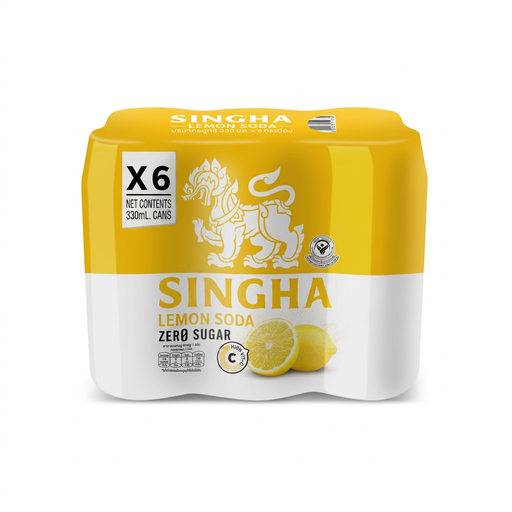 No image available
Six individual cans offer separate servings of lemon soda with dinner. If you are comparing energy or avoiding a particular sweetener, check the current pack panel.
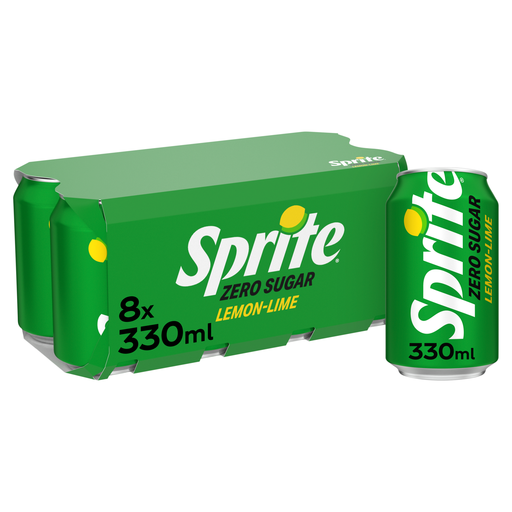 No image available
An eight-can lemon-and-lime option for separate dinner servings. The listed ingredients include aspartame; check the current pack’s ingredients and phenylalanine statement if relevant to your choice.
 No image available
This lemon-and-lime can pack suits a household wanting individual servings over several meals. Its listed sweeteners include aspartame; use the current pack panel for energy comparisons, as the stated per-can figures differ.
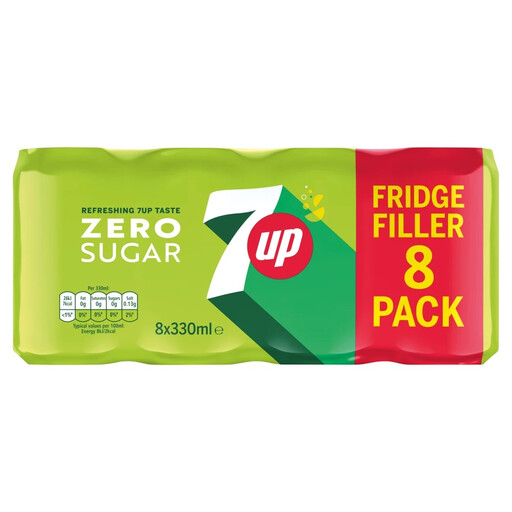 No image available
Eight individual cans provide a smaller multipack of lemon-and-lime soda than the 24-can listing. Aspartame is among its listed sweeteners; check the current pack for ingredients and energy, as the energy descriptions differ.
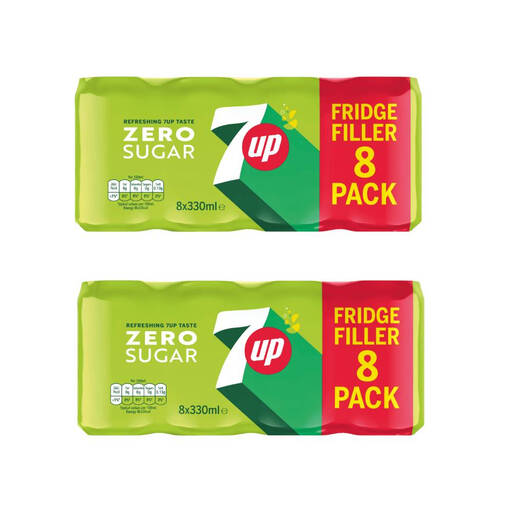 No image available
This is another lemon-and-lime can multipack, but its stated can counts differ. Confirm the quantity with the seller before ordering; the listed sweeteners include aspartame, and the current pack panel is the place to check energy.
Do not assume so: check the sugars figure for the exact drink. Tesco lists Diet Lemonade and No Added Sugar Cloudy Lemonade as distinct varieties, while R. White’s website lists a lemonade recipe with 3.9g sugars per 100ml.
Read the current ingredients list for aspartame and look for the phenylalanine statement. UK food-labelling guidance from the Department for Environment, Food & Rural Affairs and the Food Standards Agency identifies that statement where aspartame is named.
No. Northumbria Healthcare NHS Foundation Trust notes that sugar-free fizzy drinks remain acidic and can contribute to tooth erosion, so sugar content alone does not describe that trade-off.
Choose cans if separate servings are more useful, or a bottle if people will share it. If any drink may remain, check that bottle’s after-opening storage instructions before deciding on its size.
Use the listing to narrow your choices, then check the physical pack for the current ingredients if a particular sweetener matters. The recipe on the pack is the one to use for that decision.