Hosts reducing sugar across a mixed guest list
Offer guests a choice and compare sugars and energy on the nutrition panel. A “diet”, “zero sugar” or “no added sugar” label does not tell you everything about the drink or its serving size.


Serve a diet or zero-sugar lemonade if reducing listed sugar is the main priority, and consider a conventional lemonade as another choice for guests who prefer it. Compare the nutrition panels and ingredients rather than relying on front-of-pack wording. Keep water available for frequent drinking, particularly for children: Northumbria Healthcare NHS Foundation Trust notes that sugar-free fizzy drinks are still acidic.
The useful choice depends on whether the gathering calls for lower-sugar fizzy drinks, ingredient choices or drinks that guests will return to throughout the afternoon.
Offer guests a choice and compare sugars and energy on the nutrition panel. A “diet”, “zero sugar” or “no added sugar” label does not tell you everything about the drink or its serving size.
Keep the bottles or cans available so guests can read the sugar, carbohydrate and ingredient information for themselves. Their individual requirements may differ, so avoid choosing on their behalf.
Put water within easy reach for drinking between food occasions. St George's University Hospitals NHS Foundation Trust advises water or plain milk between meals for children and keeping acidic drinks to mealtimes.
Decide which drinks to offer, then compare labels using the same quantity: per 100ml where available, followed by the amount guests are likely to pour or open.
| Priority | What to check | Your needs |
|---|---|---|
| Listed sugar and energy | Compare sugars and energy per 100ml, then check the intended serving. Tesco Groceries lists 1 kcal and less than 0.1g sugars per 100ml for Tesco Sparkling Diet Lemonade; Marks & Spencer lists 4.4g sugars per 100g for its conventional Lemonade. Keep the different measurement units in view. | I want a lower-sugar fizzy option available, but I may also offer conventional lemonade for guests who prefer it. |
| Label wording | Check the nutrition panel even when the front says “no added sugar”. Sainsbury's lists 0.6g sugars and 9 kcal per 250ml glass for its Pink Lemonade, Zero Added Sugar. | If I choose a flavoured lemonade, I want to know how much sugar is in the drink I actually serve. |
| Ingredients | Read the purchased pack's sweetener and other ingredient declarations. Check for any ingredient a guest needs or prefers to avoid rather than assuming all diet drinks use the same recipe. | Some guests may want to inspect the label themselves before accepting a drink. |
| Frequent drinking | Plan a readily available water option as well as lemonade. Northumbria Healthcare NHS Foundation Trust notes that sugar-free fizz remains acidic; St George's University Hospitals NHS Foundation Trust advises water or plain milk between meals for children. | For a long afternoon outdoors, I want something guests can reach for between food occasions without relying on fizzy drinks. |
| Serving format | Choose between a bottle for pouring and cans for individual servings. Check pack quantity, portion size and the storage directions on any bottle you buy. | A self-serve table may suit a large bottle; individual cans may be easier to hand out without leaving a shared bottle open. |
Sugar-free fizzy drinks are still acidic, as Northumbria Healthcare NHS Foundation Trust explains. That matters when drinks are sipped repeatedly over a long party.
Make water easy to find, especially for children, rather than treating diet lemonade as the between-meal drink.
A no-added-sugar drink can still show sugars on its nutrition panel. Sainsbury's lists 0.6g sugars per 250ml glass for its Pink Lemonade, Zero Added Sugar.
Check sugars per 100ml and per serving, alongside the ingredients, before comparing it with a zero-sugar drink.
Guests avoiding a particular sweetener need the ingredient list for the specific product being served, not just its “diet” or “zero” description.
Keep the purchased packaging available and provide another drink, such as water, for guests who do not want that product.
The label on the drink served is the practical reference for its current ingredients, nutrition information and storage instructions.
Check the pack when buying and again when setting out drinks for guests with ingredient requirements.
These named products illustrate different nutrition panels and formats; a brand name alone does not settle which drink suits your guests.
Tesco Sparkling Diet Lemonade is a 2L bottle for a shared drinks table.
R. White's Diet Lemonade comes in a six-pack of 330ml cans for individual servings.
Sprite Zero Sugar is a lemon-lime fizzy drink rather than a traditional lemonade flavour.
Sainsbury's Pink Lemonade, Zero Added Sugar is a flavoured 2L option.
The M&S diet and conventional lemonades provide two different choices for a mixed drinks table.
These packs offer zero-sugar lemonade or lemon-flavoured fizzy drinks in individual serving sizes. Check the flavour description and purchased pack before deciding which belongs on your garden-party table.
 No image available
The 24 × 330ml pack suits a table where guests take individual servings. Check the purchased pack's sweeteners and phenylalanine declaration if either matters to a guest.
 No image available
This 24 × 330ml pack is another individual-serving option if a lemon-lime drink suits the party. It is not labelled as traditional lemonade; check the pack's ingredients for guests avoiding particular sweeteners.
 No image available
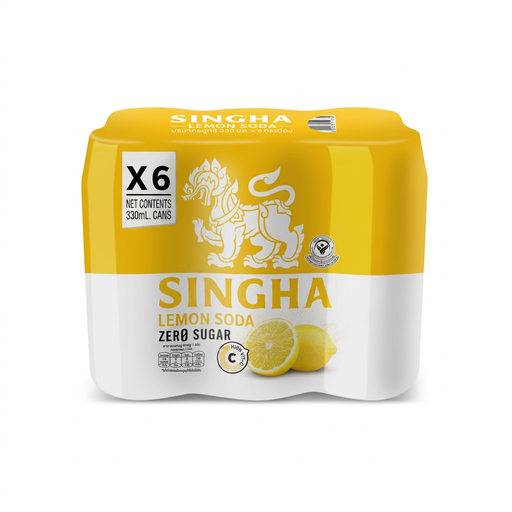
A six-pack offers individual servings for a smaller drinks selection. This is described as lemon soda, not specifically lemonade; read the pack's energy panel before making a calorie comparison.
No. A no-added-sugar drink can still contain sugars shown on its nutrition panel. Sainsbury's lists 0.6g sugars per 250ml glass for its Pink Lemonade, Zero Added Sugar, so check both the per-100ml figure and the serving you plan to offer.
Offer a diet or zero-sugar option if reducing listed sugar is a priority; conventional lemonade can give guests a different choice. For comparison, Tesco Groceries lists less than 0.1g sugars per 100ml for Tesco Sparkling Diet Lemonade, while Marks & Spencer lists 4.4g per 100g for its conventional Lemonade. Check the units and serving amounts rather than treating those figures as identical measures.
Keep water available as the between-meal option rather than relying on diet lemonade throughout the afternoon. Northumbria Healthcare NHS Foundation Trust notes that sugar-free fizzy drinks are still acidic, while St George's University Hospitals NHS Foundation Trust advises water or plain milk between meals for children.
Offer water and a choice of clearly labelled drinks, leaving guests able to check sugars, carbohydrate and ingredients against their own requirements. Do not assume that a drink's “diet” wording answers every individual dietary question.
The purchased pack gives guests the ingredient, nutrition and storage information for the drink you will serve. Check it particularly when someone avoids a sweetener or needs to compare sugar or carbohydrate figures.