What should you compare?
Start with the type of squash you would enjoy serving, then compare labels on the same prepared-drink basis. A higher fruit percentage and a no-added-sugar claim answer different questions.
| Priority |
What to check |
Your needs |
| Sugars in the drink |
Compare sugars and energy at the stated diluted serving size. Read “no added sugar” separately from the total sugars figure; regular squash needs the same prepared-drink check. |
I want a flavoured alternative to sugary squash at breakfast, but I do not want to mistake “no added sugar” for “sugar-free”. |
| Ingredients |
Read the named sweeteners, allergen information and any phenylalanine warning on the exact bottle. The NHS says aspartame is unsuitable for people with PKU. |
If someone at the table needs to avoid a particular ingredient, the bottle’s own label matters more than the brand name or diet wording. |
| Fruit and flavour |
Check the declared fruit or juice percentage alongside the ingredients and sugars per diluted serving. Do not use fruit content alone as a sugar comparison. |
A fruitier flavour might matter to me, but I still want to know what is in the prepared glass. |
| Preparation and yield |
Follow the stated dilution ratio and compare servings per bottle. Check product-specific directions before serving squash to children. |
For a family breakfast jug, I need to know how to make the drink and how far the concentrate will go. |
Which brands provide useful examples?
These brand and retailer examples show why the exact flavour and bottle label matter; a characteristic of one product does not apply to an entire range.
Robinsons
Robinsons Orange No Added Sugar is an orange squash with a stated dilution of one part concentrate to four parts water, according to Waitrose & Partners.
- Waitrose & Partners describes the prepared orange drink as providing 3 calories per glass.
- Check the ingredients of the specific Robinsons flavour if you avoid particular sweeteners.
Tesco
Tesco Groceries lists own-label no-added-sugar squash as well as branded options.
- Its squash range includes a Tesco Quadruple Strength Lemon No Added Sugar bottle.
- Use the exact product’s label to compare dilution, nutrition and ingredients; the range listing does not make those details interchangeable.
Sainsbury's
Sainsbury's lists Ribena Blackcurrant Squash No Added Sugar among its branded squash options.
- The Ribena product listing provides a product-specific phenylalanine warning.
- That warning concerns the named Ribena product, not every squash sold by Sainsbury's; check the bottle you choose.
M&S
M&S describes its Orange Squash as double strength, with 20% fruit and no added sugar.
- The stated fruit content gives shoppers a specific figure to compare when fruit character is a preference.
- M&S says this Orange Squash is not suitable for babies; fruit content does not replace the need to check sugars and ingredients.
Waitrose
Waitrose & Partners lists own-label and branded no-added-sugar squash, including Essential Apple & Blackcurrant.
- Waitrose & Partners states 0.5 g sugars per prepared 250 ml serving for the Essential Apple & Blackcurrant product.
- Check that product’s ingredients and suggested dilution as well as its no-added-sugar wording.
No-added-sugar squash options at Joybuy
These Joybuy options are no-added-sugar squash concentrates in flavours suited to preparing a breakfast glass or jug. Compare each bottle’s current label for prepared-drink nutrition, ingredients and dilution before choosing.
 No image available
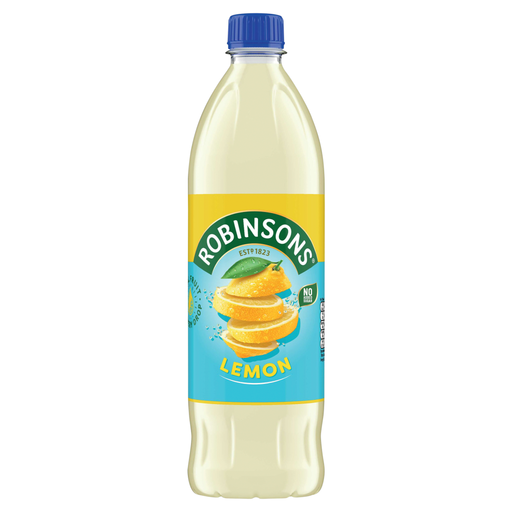
Robinsons No Added Sugar Real Fruit Lemon Squash 1L
A lemon option for a diluted breakfast drink. Follow the bottle’s preparation directions and check its ingredients if particular sweeteners or allergens matter to your household.
View on Joybuy
 No image available
Robinsons Orange No Added Sugar Squash 1L
An orange squash to dilute for a breakfast glass or jug. Waitrose & Partners gives a one-part-squash-to-four-parts-water direction for Robinsons Orange No Added Sugar; check the directions and child-use wording on the bottle you purchase.
View on Joybuy
 No image available
Ribena Blackcurrant No Added Sugar Concentrate 1.5L
A larger blackcurrant concentrate bottle for preparing several drinks. Check the prepared-serving nutrition, dilution directions and any phenylalanine warning on this exact bottle; a warning shown for another Ribena bottle size should not be assumed to apply unchanged.
View on Joybuy
 No image available
Ribena Pineapple and Passion Fruit No Added Sugar Squash 850ml
A pineapple and passion fruit choice when that flavour appeals at breakfast. Compare its sugars in the prepared drink and read the current ingredient list rather than treating “no added sugar” as a zero-sugar claim.
View on Joybuy
 No image available
Robinsons Summer Fruits No Added Sugar Squash 1L
A summer-fruits option for a diluted breakfast drink. Use the current bottle label for its dilution directions, prepared-drink nutrition and ingredients, particularly when comparing it with another flavour.
View on Joybuy
Frequently asked questions
Is no-added-sugar squash sugar-free?
Not necessarily. Fruit ingredients can contribute sugars even when none is added. Tesco Groceries states 0.8 g sugars per prepared 250 ml serving for Vimto No Added Sugar, while Waitrose & Partners states 0.5 g per 250 ml for Essential Apple & Blackcurrant. Check the prepared-drink nutrition panel on the bottle you choose.
What if someone needs to avoid aspartame?
Check the ingredients and warnings on every exact bottle. The NHS states that aspartame is unsuitable for people with phenylketonuria (PKU), and Sainsbury's lists a phenylalanine warning for Ribena Blackcurrant Squash No Added Sugar. “No added sugar” does not tell you which sweetener a product uses.
Can the same squash be served to babies or toddlers?
Do not assume that it can. M&S states that its Orange Squash is not suitable for babies, and directions for dilution or serving children can differ by product. Follow the wording on the exact pack.
How can I compare two squash bottles?
Compare sugars and energy for the prepared drink at the stated serving size, then check each bottle’s dilution ratio and number of servings. Those directions determine how much drink the concentrate makes; bottle volume alone does not.
Should I check the bottle if I have read a retailer listing?
Yes. Use the label on the bottle you purchase to confirm its ingredients, allergen information, nutrition and preparation directions, particularly if a specific ingredient or child-use instruction affects your choice.


