Commuters and short-ride cyclists
If you want flavour in your water and are not relying on the bottle for ride fuel, a no-added-sugar squash is one option. Follow its dilution instructions and check the prepared-drink label.


No-added-sugar squash can flavour water on short, easy rides, but it should not be your only source of fuel for a long ride. British Cycling’s event-day guidance calls for planned carbohydrate intake; if prolonged sweating is likely, check how your ride plan covers fluids and electrolytes too. Compare nutrition as diluted, along with the mixing instructions and ingredients, before choosing a bottle.
If you want flavour in your water and are not relying on the bottle for ride fuel, a no-added-sugar squash is one option. Follow its dilution instructions and check the prepared-drink label.
A flavoured drink is only one part of a long-ride plan. British Cycling’s event-day guidance addresses carbohydrate intake, so check what your drink contributes and arrange fuel separately if needed.
Compare sugars and carbohydrate in the diluted drink rather than relying on “diet”, “zero” or “no added sugar” on the front of the bottle. Drink choice and ride fuelling are separate decisions.
Decide whether the bottle is mainly for flavoured fluid or must also contribute to your ride fuel; then compare the values for the drink as prepared.
| Priority | What to check | Your needs |
|---|---|---|
| Carbohydrate | Read carbohydrate and sugars per diluted serving. For a long event, account for carbohydrate from both drinks and food; British Cycling’s event-day guidance gives a general rule of 1g per kg of bodyweight per hour. | On a longer ride, I need to know where my fuel will come from rather than counting on diet squash to supply it. |
| Fluids | Choose a drink you are comfortable taking on the ride. Follow the squash mixing instructions; the NHS notes that fluid needs can rise with prolonged physical activity. | For a commute or easy ride, I may simply want some flavour in the water I carry. |
| Electrolytes | For prolonged or sweaty riding, check any declared sodium or electrolyte content instead of assuming a fruit squash provides it. Consider the drink alongside the rest of your ride plan. | If I expect to sweat heavily, I want to know whether my planned food and drinks address more than fluid alone. |
| Dilution | Compare nutrition for the prepared drink, not concentrate. Mixing ratios can differ: Sainsbury’s lists 1 part concentrate to 4 parts water for Robinsons Orange No Added Sugar Squash. | I want the values I compare to reflect what will actually be in my cycling bottle. |
| Ingredients | Check the exact bottle for acids, sweeteners and sulphites. The Food Standards Agency identifies sulphites as a concern for susceptible people, while Wirral Community Health and Care NHS Foundation Trust notes that acidic sugar-free drinks can wear teeth. | If ingredients or frequent sipping matter to me, “no added sugar” alone does not answer those questions. |
Squash can provide flavoured fluid without supplying much carbohydrate. British Cycling’s event-day guidance calls for planned carbohydrate intake on long events.
Work out what you will eat or drink for fuel before setting off, rather than treating squash as the whole nutrition plan. Consider fluids and electrolytes when prolonged sweating is expected.
Nutrition figures for concentrate do not describe the drink after you add water, so they can make two bottles difficult to compare fairly.
Look for values labelled “diluted” or “as prepared” and follow the ratio on the bottle. Sainsbury’s gives a 1:4 concentrate-to-water ratio for Robinsons Orange No Added Sugar Squash.
A no-added-sugar squash may still contain acids, sweeteners or preservatives. Wirral Community Health and Care NHS Foundation Trust notes that acidic drinks, including sugar-free ones, can wear teeth.
Read the ingredients on the exact variant, particularly if sulphites matter to you. Consider water for routine sipping if exposure to acidic drinks is a concern.
A vitamin claim does not tell you how much carbohydrate or sodium the prepared drink contains. Vimto describes its No Added Sugar Squash as a source of vitamins C and D.
For ride fuelling, use the prepared-drink nutrition panel and your planned food and drinks, rather than choosing by vitamin claims alone.
Robinsons has no-added-sugar squash in several fruit flavours and formats. Compare the exact variant and mixing strength rather than applying one bottle’s figures to the range.
Vimto offers a no-added-sugar squash for shoppers comparing a different fruit flavour.
Ribena is another fruit-squash option to compare by flavour, ingredients and prepared-drink nutrition.
These squash options suit shoppers looking for fruit-flavoured water on everyday or easier rides. If your ride requires carbohydrate fuel, plan that separately rather than choosing by squash flavour alone.
 No image available
An orange squash to dilute for a flavoured drink when you are arranging any needed ride fuel separately. Waitrose & Partners lists 3kcal per 250ml diluted serving for this product; Sainsbury’s specifies 1 part concentrate to 4 parts water. Check the current bottle’s ingredients if sulphites are a concern.
 No image available
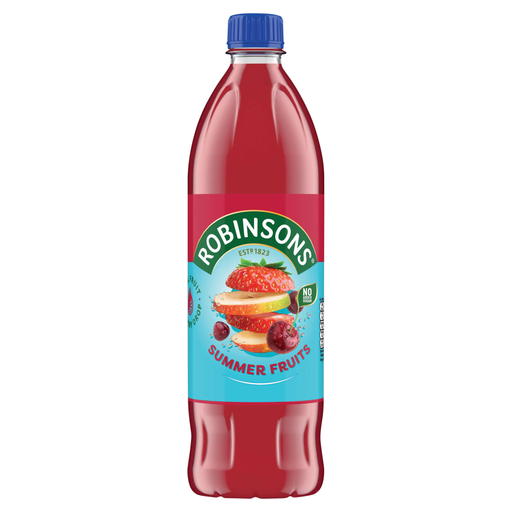
A summer-fruits alternative for flavouring water on an easy ride. Follow this bottle’s dilution directions and check its prepared-drink carbohydrate value if you are comparing it with a fuelling drink. Check the ingredients if sweeteners or sulphites matter to you.
 No image available
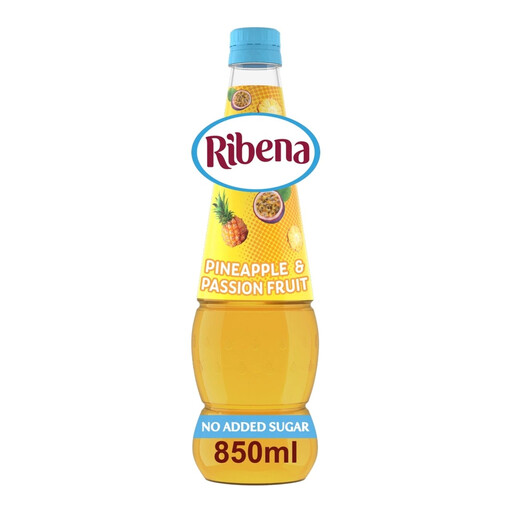
A pineapple-and-passion-fruit choice when you want flavoured fluid and are planning ride fuel separately. Check the bottle’s mixing instructions and prepared-drink nutrition before comparing it with another squash. Read the ingredient label if sulphites or phenylalanine are relevant to you.
 No image available
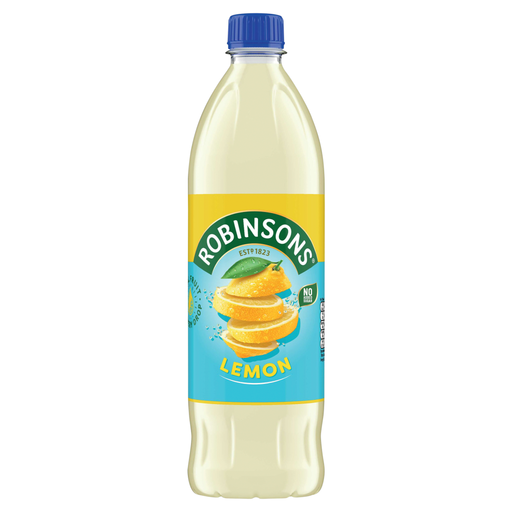
A lemon-juice squash for flavouring water rather than replacing a long-ride fuelling plan. Check the current bottle for its dilution ratio and energy per prepared serving before comparing nutrition values. Read the ingredient label if phenylalanine is relevant to you.
It can flavour water on a short or easy ride, but do not rely on it as your sole fuel for a long event. Waitrose & Partners lists 3kcal per 250ml diluted serving for Robinsons Orange No Added Sugar Squash, while British Cycling’s event-day guidance calls for planned carbohydrate intake.
Choose based on what the rest of your ride plan provides: squash can be your flavoured fluid if you are arranging carbohydrate separately. If you expect prolonged riding or heavy sweating, check the carbohydrate and electrolyte content of any drink you plan to use rather than assuming squash covers both.
No. “No added sugar” is not a single nutrition value for every product. Read the sugars figure for the exact squash as prepared, using the bottle’s stated dilution.
Use the ratio on the bottle you buy. Sainsbury’s lists 1 part concentrate to 4 parts water for Robinsons Orange No Added Sugar Squash; other products or formats may have different instructions, and changing the ratio changes the drink you consume.
Read the exact ingredient list for acids, sweeteners and sulphites. The Food Standards Agency identifies sulphites as a concern for susceptible people, and Wirral Community Health and Care NHS Foundation Trust notes that acidic drinks can wear teeth even when they are sugar-free.