Water is a straightforward choice with curry, particularly when serving children; the NHS recommends water and milk as children’s main drinks. If you want fruit flavour instead of sugary squash or a sugary fizzy drink, consider a no-added-sugar squash, but compare sugars in the prepared drink and check the ingredients. More fruit juice does not, by itself, mean a squash is sugar-free.
Who is this choice for?
Hosts swapping out sugary drinks
If you want a fruit-flavoured drink with curry, compare no-added-sugar squash with the sugary drink you would otherwise serve. The NHS suggests sugar-free, diet and no-added-sugar drinks as alternatives to sugary squash and fizzy drinks. Check nutrition for the diluted glass, not just the claim on the bottle.
Families serving children
The NHS recommends water and milk as children’s main drinks. If you serve squash, follow its dilution and age instructions; M&S states that its Orange Squash is not suitable for babies.
Guests with ingredient restrictions
Check the exact bottle for sweeteners, sulphites and any phenylalanine notice. If a guest has diabetes, keep an ordinary drink choice separate from their plan for treating a hypo: Diabetes UK distinguishes sugar-free alternatives from sugary drinks used for hypo treatment.
What should you check before buying?
Start with whether water or a flavoured drink suits the meal, then compare squash as it will be served: diluted according to the bottle.
| Priority | What to check | Your needs |
|---|
| Sugars in the glass |
Read the “of which sugars” figure for the prepared drink. “No added sugar” and “sugar-free” are different claims; the former does not establish that fruit contributes no sugars. |
I want fruit flavour without assuming the words on the front of the bottle tell me how much sugar is in my glass. |
| Dilution and servings |
Check the concentrate-to-water ratio and whether nutrition is stated per diluted 100ml or per prepared serving. Tesco Groceries lists Robinsons Summer Fruits at 5kcal and 0g sugars per 250ml diluted serving when mixed one part squash to four parts water. |
If I’m making drinks for several guests, I need to know how to mix each squash and how many glasses the bottle will make at that strength. |
| Ingredients |
Read the current sweetener, preservative and allergen information. The Sainsbury’s listing for Ribena Blackcurrant No Added Sugar names aspartame, acesulfame K and sodium bisulphite, and carries a phenylalanine notice. |
For a guest avoiding a particular ingredient, I need the recipe on the bottle I’m serving, not just a no-added-sugar claim. |
| Fruit and flavour |
Check the stated fruit content alongside prepared-drink sugars. Marks & Spencer describes its no-added-sugar Orange Squash as double strength and made with 20% orange from concentrate; fruit content alone does not establish its sugars per glass. |
Orange flavour and fruit content may matter more to me than choosing a summer-fruit or blackcurrant squash, provided the drink’s ingredients also suit my guests. |
| Children’s drinks |
Keep the product’s age and dilution instructions in view. The NHS recommends water and milk for children and advises diluting squash well. |
When children join curry night, I want a drink choice that follows the guidance for their age rather than treating every diet squash alike. |
What is easy to overlook?
-
Reading “no added sugar” as “sugar-free”
Fruit ingredients can contribute sugars to a drink with no added sugar, so the two claims do not answer the same question.
Read the “of which sugars” figure on the nutrition panel for the drink you intend to prepare.
-
Comparing concentrate bottles by size alone
Different dilution instructions can make equal-sized bottles yield different amounts of prepared drink.
Follow each bottle’s mixing directions and compare nutrition on the same prepared-drink basis.
A stronger pour also uses up the concentrate in fewer glasses.
-
Missing ingredient notices
No-added-sugar recipes use different sweeteners. The Robinsons, Ribena and M&S examples described by their retailers include sulphites; the Ribena Blackcurrant listing also carries a phenylalanine notice.
Check the current bottle’s ingredients and allergen statement before serving anyone with a relevant restriction.
-
Using a diet drink for hypo treatment
Diabetes UK distinguishes sugar-free alternatives for ordinary drinking from sugary drinks that may be used to treat a hypo.
If a guest may need hypo treatment, follow their own diabetes care instructions rather than relying on no-added-sugar squash.
Brand and retailer references
These product and retailer examples illustrate label differences; check the exact bottle when choosing a drink for your table.
Robinsons
A squash brand with no-added-sugar fruit flavours, including Summer Fruits.
- Tesco Groceries lists the 1L Summer Fruits example at 5kcal and 0g sugars per 250ml diluted serving, mixed one part squash to four parts water.
- That example lists sucralose, acesulfame K and sodium metabisulphite. Check the ingredients of the particular variant you buy.
Tesco
Its squash listings include own-label no-added-sugar options in different strengths alongside branded products.
- Tesco Groceries lists quadruple-strength and double-strength own-label examples, giving shoppers different concentrate formats to compare.
- Check each product’s own dilution instructions and nutrition panel; strength and bottle size are not substitutes for prepared-drink figures.
Sainsbury's
Its Ribena Blackcurrant No Added Sugar listing gives a blackcurrant example with detailed ingredients and mixing instructions.
- The listed 850ml variant calls for one part squash to at least four parts water.
- Its ingredients include aspartame, acesulfame K and sodium bisulphite, and the listing carries a phenylalanine notice.
M&S
Its Orange Squash is a no-added-sugar, double-strength example made with 20% orange from concentrate, according to Marks & Spencer.
- The stated fruit content and strength help identify the format if orange flavour is your priority.
- The listing names sucralose and sulphites and says the product is not suitable for babies. Check its prepared-drink nutrition separately.
Waitrose
Waitrose & Partners lists Vimto No Added Sugar Squash as another fruit-flavoured example.
- Its listing states 5kcal and 0.8g sugars per prepared 250ml serving when diluted one part squash to four parts water.
- Waitrose notes that recipes can change, so check the current bottle’s nutrition and allergen information.
Joybuy squash options
These Joybuy options are no-added-sugar fruit squashes for anyone choosing a flavoured drink with curry. Compare each bottle’s dilution, prepared-drink nutrition and ingredients before deciding which to serve.
 No image available
Ribena Concentrated Blackcurrant No Added Sugar 1.5L
A blackcurrant concentrate for guests who prefer that flavour. Check the bottle’s dilution instructions, prepared-drink sugars and ingredient notices before comparing it with another squash.
 No image available
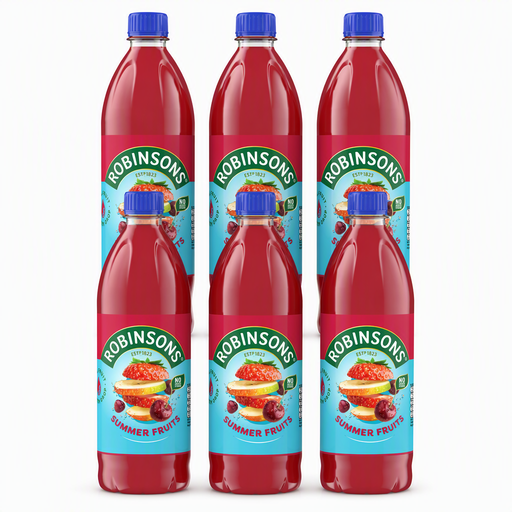
Robinsons No Added Sugar Summer Fruits Squash 6 x 1L
A six-bottle summer-fruit pack if you are serving squash on more than one occasion. Use the instructions on these bottles and check their prepared-drink nutrition and ingredients; do not assume another Summer Fruits pack has the same recipe.
 No image available
Robinsons No Added Sugar Orange Squash 1L
An orange-flavoured option for the table. Check its dilution ratio and sugars per prepared glass, along with the current age guidance if children will be drinking it.
 No image available
Robinsons No Added Sugar Summer Fruits Squash 1L
A single bottle of summer-fruit squash. The Joybuy product information states 2kcal per 100ml diluted drink and lists sucralose, acesulfame K and sodium metabisulphite; check the bottle for its mixing ratio and sugars per prepared serving.
 No image available
Ribena Pineapple and Passion Fruit Squash No Added Sugar 850ml
A pineapple and passion-fruit choice when you want a different flavour from blackcurrant or orange. Read the current bottle’s mixing directions, prepared-drink nutrition and ingredient notices before serving guests.
Questions about serving squash
Does no added sugar mean a squash contains no sugar?
No. Fruit ingredients can contribute sugars even when none have been added for sweetening. Check the “of which sugars” figure for the prepared drink rather than treating “no added sugar” and “sugar-free” as interchangeable.
Should I serve water or diet squash with curry?
Water is a straightforward choice, especially for children: the NHS recommends water and milk as their main drinks. If guests want fruit flavour, a no-added-sugar squash offers an alternative to sugary squash; check its ingredients and sugars after dilution.
How do I compare single-strength and double-strength squash?
Follow each bottle’s dilution ratio, then compare nutrition for the same amount of prepared drink. Bottle size alone will not tell you how many glasses each concentrate makes.
Can no-added-sugar squash be used to treat a hypo?
Do not use it in place of a person’s hypo treatment. Diabetes UK distinguishes sugar-free drinks for ordinary occasions from sugary drinks that may be used to treat a hypo; follow the person’s diabetes care instructions.
What should I check before serving squash to children or guests with ingredient restrictions?
Read the current bottle’s age and dilution directions, sweeteners, allergens and any phenylalanine notice. The NHS recommends water and milk as children’s main drinks, while the retailer examples show that no-added-sugar squash recipes and age instructions differ.


