Shoppers watching the sugar in their drink
If you want a flavoured tonic before training but plan to get carbohydrate from food, compare the sugars on the mixer label. A zero-sugar drink is still a drink, not a snack.


Choose a zero-sugar tonic if you want a flavoured drink without using the mixer as your carbohydrate source; choose a light tonic if you prefer its flavour and are content with some sugar. Neither replaces food when you need a pre-workout snack: University College London Hospitals NHS Foundation Trust describes a snack eaten 60–90 minutes before exercise as including carbohydrate and protein.
If you want a flavoured tonic before training but plan to get carbohydrate from food, compare the sugars on the mixer label. A zero-sugar drink is still a drink, not a snack.
If you need food before exercise, choose it separately from the mixer. University College London Hospitals NHS Foundation Trust describes a pre-training snack eaten 60–90 minutes beforehand as including carbohydrate and protein, with minimal fat.
If botanical or bitter tonic flavour matters more to you than avoiding sugar entirely, a light tonic may appeal. Check sugars per 100ml: light does not necessarily mean sugar-free.
Decide whether you need a drink, a snack or both, then compare the tonic’s nutrition and ingredients at the amount you expect to pour.
| Priority | What to check | Your needs |
|---|---|---|
| Food alongside the drink | Check whether you need a snack as well as a mixer. University College London Hospitals NHS Foundation Trust describes carbohydrate, protein and minimal fat for a snack 60–90 minutes before exercise. | If it has been a while since I ate and I need a snack, I’ll choose food separately rather than count tonic water as one. |
| Sugars and serving size | Compare sugars and energy per 100ml, then check the amount you will drink. Tesco Groceries lists 0g sugars and 2kcal per 100ml for Schweppes Slimline; Joybuy lists 3.8g sugars and 15kcal per 100ml for Fever-Tree Refreshingly Light Premium Indian Tonic Water. | I’d choose a zero-sugar option when I don’t want sugar from my drink. If I prefer a light tonic, I can allow for the sugars in my serving without treating it as a complete snack. |
| Fluids around exercise | Consider when you are drinking it. The NHS identifies water as the way to replace fluid lost through sweating during physical activity; a lower-sugar drink can also contribute to fluid intake. | For fluid lost while exercising, I’ll keep water in mind rather than rely on a tonic for both hydration and food. |
| Ingredients and suitability | Read the current label for quinine and sweeteners. The listed Schweppes Slimline ingredients include quinine and aspartame; Sainsbury’s lists quinine hydrochloride, acesulfame K and sucralose in its Diet Indian Tonic Water. | If quinine or a sweetener matters to me because of a condition, medicine or ingredient preference, I’ll check the pack and seek individual advice where appropriate. |
A zero-sugar tonic does not supply the carbohydrate-and-protein combination described in University College London Hospitals NHS Foundation Trust’s pre-exercise snack guidance.
Choose the mixer as a drink. If you need a snack before training, choose food separately to suit your timing and needs.
Joybuy lists 3.8g sugars per 100ml for Fever-Tree Refreshingly Light Premium Indian Tonic Water, while Fentimans lists 3.4g per 100ml for Naturally Light Tonic Water.
Compare the per-100ml panel and the serving you expect to drink, rather than relying on the word ‘light’.
The tonic examples described here list quinine or quinine hydrochloride. The Medicines and Healthcare products Regulatory Agency’s guidance on quinine medicines identifies cautions involving heart rhythm and medicine interactions; a diet label does not answer an individual suitability question.
If you have a relevant condition, previous reaction or concern about medicines you take, ask a pharmacist or clinician for advice about tonic water.
The pack you receive is the practical reference for the drink you will consume.
Check its current nutrition panel and ingredients, particularly sugars, sweeteners and quinine.
These named tonics illustrate different label profiles; a brand name alone does not tell you whether a particular drink is sugar-free.
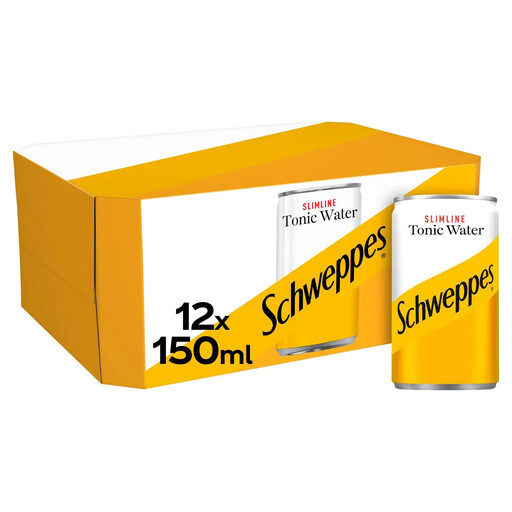
Slimline Tonic Water is a no-sugar option in a 12 × 150ml pack.
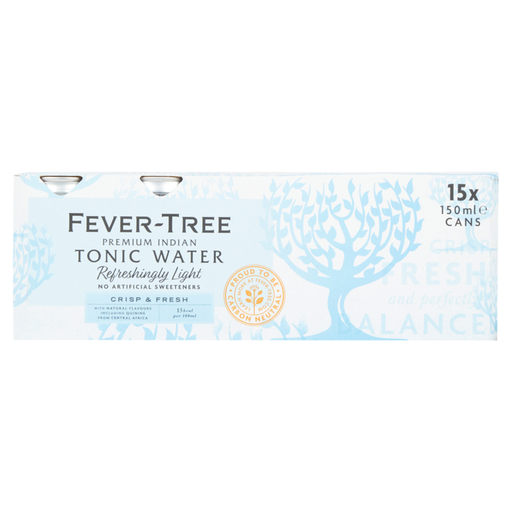
Refreshingly Light Indian Tonic Water is a light tonic for shoppers who accept some sugar.
Naturally Light Tonic Water offers a botanical tonic option with some sugar.
Diet Indian Tonic Water is listed in a 1L bottle.
Indian Tonic Water is a standard tonic rather than a diet option.
These Joybuy options cover a slimline tonic and two Refreshingly Light tonic variants. Compare their labels as drinks to have alongside food if you need a pre-workout snack.
 No image available
For a mixer without sugar, Tesco Groceries lists 0g sugars and 2kcal per 100ml for this Slimline tonic. The listed ingredients include quinine and aspartame. Choose food separately if you need a pre-workout snack.
 No image available
For a light tonic when you accept some sugar, Joybuy lists 3.8g sugars and 15kcal per 100ml for this variant. Fever-Tree identifies quinine in the tonic. It is a drink choice, not a complete pre-workout snack.
 No image available
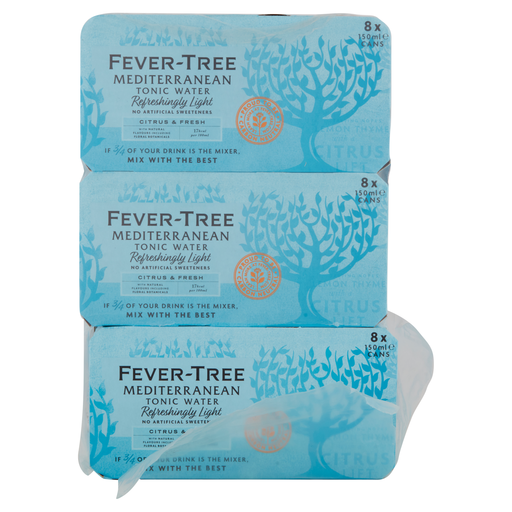
This Mediterranean variant comes in an 8 × 150ml pack. If its sugar content or ingredients affect your choice, compare its current label with a zero-sugar tonic. Have food separately when you need a pre-workout snack.
Not when you need food before exercise. University College London Hospitals NHS Foundation Trust describes a snack eaten 60–90 minutes before training as including carbohydrate and protein; choose suitable food separately from a diet tonic.
No. Joybuy lists 3.8g sugars per 100ml for Fever-Tree Refreshingly Light Premium Indian Tonic Water, while Tesco Groceries lists 0g per 100ml for Schweppes Slimline. Check the sugars panel and your serving size for the product you choose.
The NHS identifies water as the way to replace fluid lost through sweating during physical activity. A lower-sugar drink can contribute to fluid intake, but it does not take the place of food when you need a snack.
Do not use a diet label to judge individual suitability: check whether the tonic contains quinine and ask a pharmacist or clinician about your circumstances. The Medicines and Healthcare products Regulatory Agency’s quinine-medicine guidance identifies heart-rhythm and interaction cautions, but it does not make an individual decision about a particular tonic drink.