
24/7 Customer Support

Free returns

Same-day & Next-day Delivery

Quality Guaranteed

Unlock Your Welcome Offers: FREE Delivery | Up to 80% OFF | Free 30-day JoyPlus trial
Download the APP
Buying dietary supplements in the UK can seem straightforward until you compare dosage, ingredients, dietary suitability and serving sizes. A brightly coloured label may promise energy and immune support, but the useful information is often in the smaller print.
Whether you are comparing multivitamins, vitamin D3 supplements, omega-3 capsules or creatine monohydrate, a practical buying process helps you avoid paying for unnecessary ingredients or unsuitable formats.
A product showing 500% or 1,000% of the Nutrient Reference Value (NRV) may look impressive, but a higher number is not automatically more appropriate for everyday use. This is particularly important when comparing vitamin D, B-complex products, iron supplements and women’s health supplements.
Check:
A lengthy formula is not necessarily more suitable. Some products combine vitamins, minerals, botanical extracts and sports ingredients that you may not need. A shorter ingredient list can make it easier to identify allergens, animal-derived ingredients and potential duplication.
For example, a simple creatine monohydrate powder may be more suitable for someone who wants a clearly defined sports nutrition product than a multi-ingredient pre-workout blend.
Tablets, capsules, liquids, powders, gummies and electrolyte sachets suit different routines. A large bottle may offer a lower cost per serving, but only if you are likely to use it consistently before the best-before date.
Consider whether you need:
Always compare the amount per daily serving, rather than the size of the container. A 60-gummy pack may provide 30 days of use if the recommended intake is two gummies daily. Similarly, a 250g creatine pouch should be assessed against the stated 5g serving size.
For sports users, creatine products may list creatine monohydrate per serving. Applied Nutrition’s unflavoured powders provide 5,000mg per stated serving, while its vegan capsule product provides 3,000mg per serving. The formats differ considerably in convenience and the number of capsules required.
Read the complete ingredient panel. Look for declarations such as fish, soya, barley, sulphites, milk or gelatine. Vegans and vegetarians should also check the capsule shell, vitamin source and gelling agent rather than relying only on front-label wording.
Examples include:
UK shoppers should check the label supplied with the product because recipes and packaging can change.
Calculate the cost per recommended daily serving. A 30-capsule bottle is usually a one-month supply when the instructions state one capsule daily, while some products require two or more units.
Powders may offer fewer packaging units for regular sports users, whereas capsules provide measured portions and easier transport. Electrolyte sachets are convenient for mixing with water during or after physical activity, but they may cost more per serving than a larger tub.
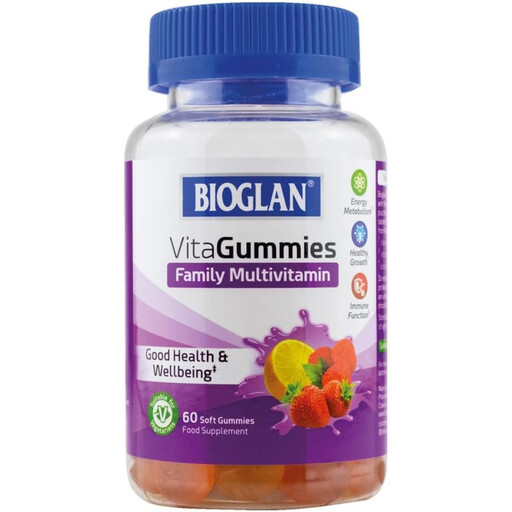
Why This Fits Their Persona: The age-based directions make this a practical option for households seeking one gummy format for adults and children aged four and above.
The label states the nutrient amounts per gummy and gives separate guidance for children aged 4–12, adults and older children.
60 gummies; includes vitamins D3, C, E, B vitamins, folic acid, biotin and iodine; fruit flavours and a chewable format.
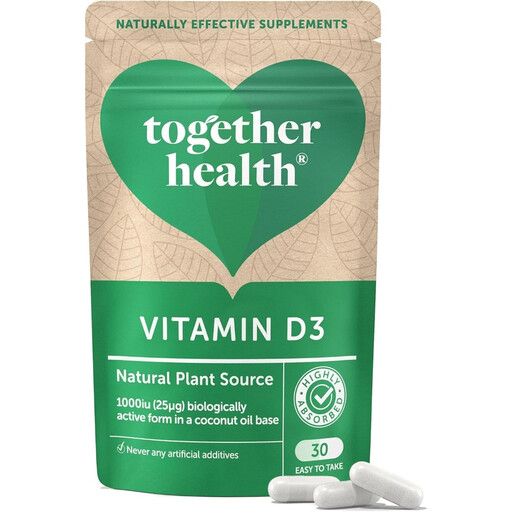
Why This Fits Their Persona: Suitable for adults seeking a vegan vitamin D3 supplement with a short, clearly defined ingredient list.
The product specifies lichen as the vitamin D3 source and uses a vegetable cellulose capsule, avoiding assumptions about animal-derived ingredients.
One capsule supplies 25 micrograms of vitamin D3; coconut oil is included in the formula; vegan and plastic-free packaging claims are stated on the product information.
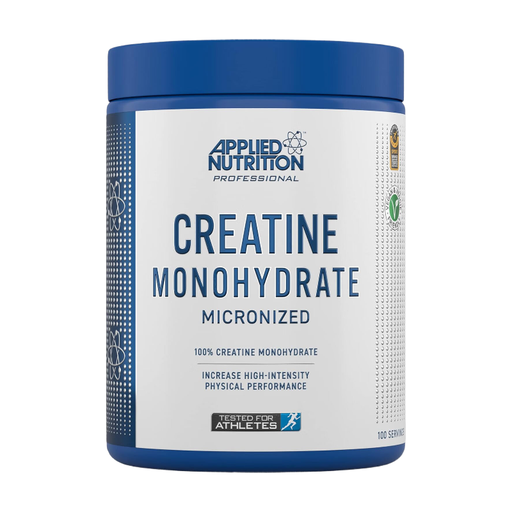
Why This Fits Their Persona: The 500g pack is aimed at active adults and regular gym users who prefer a larger supply of a single sports nutrition ingredient.
It identifies 100% micronised creatine monohydrate without added flavourings, making the active ingredient and serving calculation easy to check.
5g creatine monohydrate per stated serving; unflavoured powder; 500g pack; can be mixed with water or a protein shake.
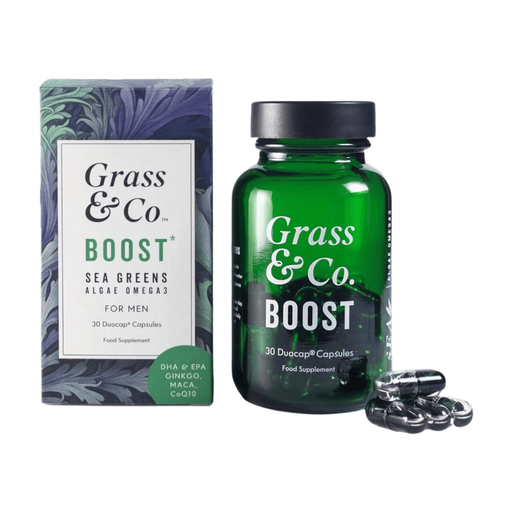
Why This Fits Their Persona: Adult men following a plant-based diet can compare a one-a-day algae omega-3 format with added vitamins and minerals.
The listing states the algae source and separates total omega-3 from its DHA and EPA amounts, helping shoppers compare like for like.
333mg algae omega-3 per capsule, including 100mg DHA and 50mg EPA; one capsule daily; capsule shell listed as hydroxypropyl methylcellulose.
We have compiled a complete, real-time list of products that fully satisfy these strict selection criteria and UK safety regulations.
Shelf life varies by product and storage conditions. Check the best-before date and keep tablets, capsules and powders in a cool, dry place away from direct sunlight. Some liquid products need refrigeration after opening and must be used within a stated period.
Only use a product where the label specifically states the child’s age range and dosage. Children’s vitamins may have different serving instructions from adult multivitamins. Keep all supplements out of sight and reach of children, particularly gummies and chewable products.
Avoid automatically combining products with overlapping nutrients. A multivitamin may already contain vitamin D, iron, iodine or B vitamins, while a separate product may provide the same ingredients at a higher level. If you take prescription medicine, are pregnant or breastfeeding, or have an underlying condition, consult a healthcare professional before use. Food supplements should complement a varied, balanced diet rather than replace it.