
24/7 Customer Support

Free returns

Same-day & Next-day Delivery

Quality Guaranteed

Unlock Your Welcome Offers: FREE Delivery | Up to 80% OFF | Free 30-day JoyPlus trial
Download the APP
Buying dietary supplements in the UK can seem straightforward until you compare ingredient lists, serving sizes, dietary claims and usage instructions. A colourful label may promise energy, gut health or better recovery, yet the product may not suit your diet, medication or daily routine.
This guide from the Joybuy Product Recommendation Officer explains what to check before buying, with practical recommendations for different shopping needs.
A high figure is not automatically meaningful. For probiotic supplements, check whether the stated CFU count applies per capsule or per daily serving and whether it is measured at manufacture or at the stated expiry. For vitamins and minerals, compare the quantity with the UK Nutrient Reference Value (NRV) rather than judging strength from words such as “advanced” or “maximum”.
Similarly, a protein powder may advertise a large tub but provide relatively few servings. Always calculate the amount per serving and the total number of servings.
Vegan supplements are not always free from every allergen. Some products may contain soya, oats, coconut, milk-derived cultures or sulphites. Check the full ingredient list if you have an allergy, follow a vegan or vegetarian diet or avoid gluten and dairy.
Flavoured powders and gummies may also contain sweeteners, sugar or flavourings. A product described as “low sugar” still needs to be checked against its nutrition information.
A capsule requiring refrigeration, a powder needing careful measuring or a daily serving of several tablets may be inconvenient enough to abandon. Consider storage, preparation time, pack size and whether you can use the product consistently. Supplements should complement a varied, balanced diet and healthy lifestyle, not replace either.
Look for the specific ingredient, not just a broad category. Examples include:
Look for clearly stated vegan, vegetarian, gluten-free or dairy-free information, then verify it against the ingredients. For example, a probiotic may use a plant-based capsule but still contain milk-derived cultures. If you have a diagnosed allergy or intolerance, contact a healthcare professional or the manufacturer when the label is unclear.
Compare cost per serving, not only the purchase price. A 500 g powder may offer a lower cost per portion than a smaller pack, while a four-week liquid probiotic may require refrigeration after opening. Check the recommended daily intake, preparation method and best-before information before ordering.
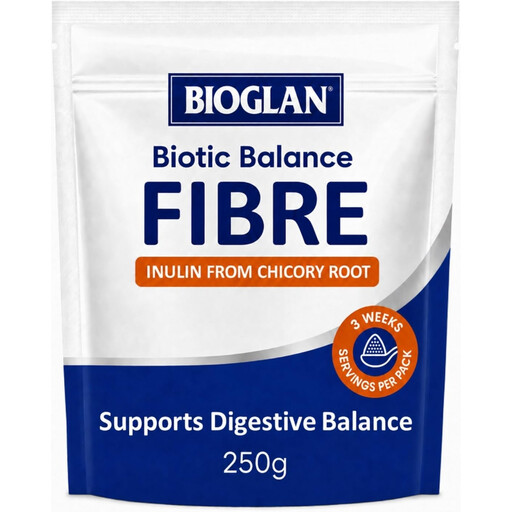
Why This Fits Their Persona: A single-ingredient powder can suit shoppers who want a straightforward way to add prebiotic fibre to porridge, yoghurt, smoothies or drinks.
The ingredient list is limited to native chicory root inulin, making it easier to assess than a multi-ingredient blend. Begin with the stated 5g serving and increase gradually only as directed.
250g pack; vegan, vegetarian, gluten-free and soya-free according to the product information.
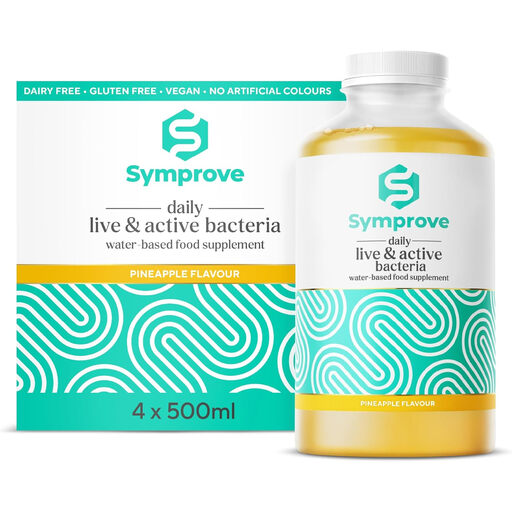
Why This Fits Their Persona: A four-week liquid format suits adults who prefer a measured morning shot rather than capsules or powders.
The label states the serving size and storage conditions clearly. After opening, it should be refrigerated and consumed within the specified period.
Provides at least 10 billion CFU per 70ml shot; vegan and dairy-free according to the product information. Contains barley-derived ingredients, so check the allergen statement.
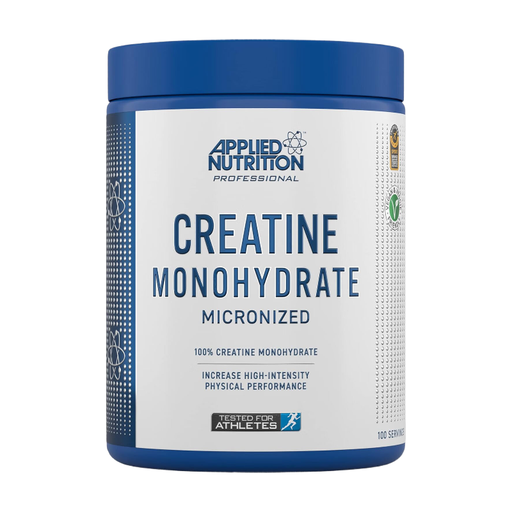
Why This Fits Their Persona: The larger pack is practical for regular gym users who want an unflavoured powder for repeated use.
It lists micronised creatine monohydrate as the ingredient, rather than relying on a proprietary blend or multiple stimulant ingredients.
100% micronised creatine monohydrate; 5g listed per serving; unflavoured and suitable for mixing with other drinks.
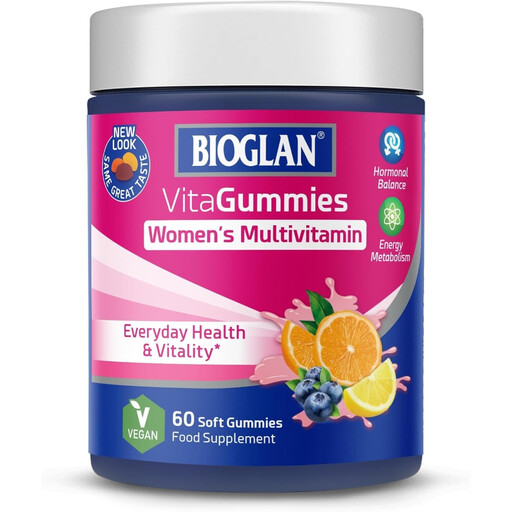
Why This Fits Their Persona: Chewable women’s multivitamins can suit adults who prefer a simple, daytime format instead of tablets.
The product lists two gummies as the daily serving and provides quantities for each vitamin and mineral, helping shoppers compare actual intake.
60 gummies; vegan pectin format; includes vitamins C, D2, B6, B12, folic acid, zinc and iodine. Contains sulphites, so read the allergen information.
Divide the price by the number of stated servings, then consider delivery, refrigeration and measuring requirements. A lower-priced pack may cost more per day or be less convenient to use consistently.
Do not assume that combining products is risk-free. Overlapping ingredients such as vitamin D, magnesium, zinc or vitamin B6 can increase total intake. Follow each label and ask a GP or pharmacist for advice if you take medication, are pregnant or breastfeeding or have a medical condition.
Check the best-before date, storage instructions and use-after-opening guidance. Liquid probiotics may need refrigeration after opening, while powders should generally be sealed and kept dry. Stop using any supplement that causes persistent discomfort and seek appropriate medical advice.