
24/7 全天候客户支持

免费退货

当日/次日达

品质保障

开启新人专享福利: 全场免邮 | 低至 2 折 | 免费试用 30 天 JoyPlus 会员
下载 Joybuy
Buying dietary supplements in the UK can feel unnecessarily complicated. Labels often highlight impressive-sounding ingredients while leaving out details that matter more: the actual nutrient amount, serving size, allergens, suitability for your diet and whether the formula matches your intended use.
As the Joybuy Product Recommendation Officer, I focus on filtering out marketing clutter so you can compare products more sensibly. Whether you are considering vitamins and minerals, herbal supplements, vegan supplements or targeted options for sleep, stress, joints, women’s wellness or skin support, these checks can help prevent wasted money.
A product may display a high milligram figure on the front, but that number could refer to a compound, extract ratio or total blend rather than the active nutrient. For example, a magnesium product might list the weight of magnesium citrate while separately stating the amount of elemental magnesium.
Always look for:
This is particularly important when comparing magnesium supplements, zinc formulas and multinutrient products.
Natural wellness supplements can contain concentrated herbs with relevant warnings. Ashwagandha, dong quai, chasteberry, motherwort, 5-HTP and other botanicals may not be suitable during pregnancy, breastfeeding, alongside prescription medicines or with certain medical conditions.
“Vegan” also does not automatically mean allergen-free. Check the full label for soya, fish, gelatine, dairy, gluten and manufacturing-facility statements. A formula may be plant-based but still be made in a facility handling common allergens.
Food supplements are intended to complement normal dietary intake. They should not be used to diagnose, treat or cure a health condition, and they are not a substitute for varied food, sleep or professional advice.
Be cautious of claims promising rapid results for insomnia, anxiety, inflammation, hormone problems, cognitive decline or skin ageing. For persistent symptoms, speak with your GP or pharmacist rather than increasing the dose yourself.
Compare the ingredient form as well as its headline quantity. Examples include:
A larger number is not automatically more appropriate. Follow the product label and do not combine several products containing the same nutrient without checking the total intake.
For vegan and vegetarian shoppers, inspect both capsule shell and active ingredients. Gelatine softgels and fish-derived marine complexes are not suitable for vegans. People avoiding soya, gluten, dairy or wheat should read the allergen declaration every time, as formulations can change.
For example, Imedeen Derma One contains fish and soya, while several products below use vegetable cellulose capsules. These distinctions are more useful than general “clean” or “natural” wording.
A 60-capsule pack does not always equal 60 days. If the serving is two capsules, it provides approximately 30 daily servings. Consider:
For example, a 120-tablet pack taken at two tablets daily provides around two months of use, whereas a 60-capsule sleep product taken at two capsules daily provides around one month.
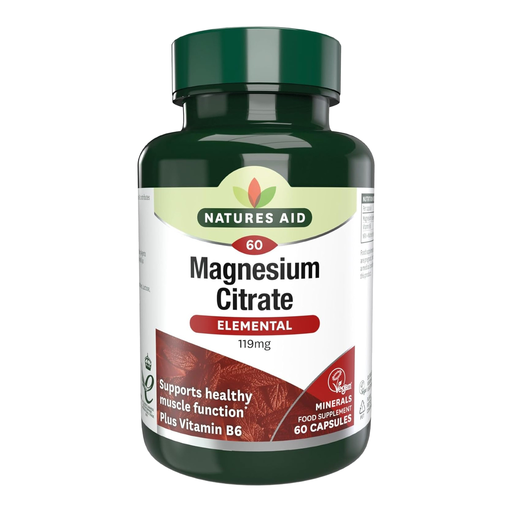
Why This Fits Their Persona: A straightforward once-daily option for adults beginning a daily health supplement routine, with magnesium and vitamin B6 in one capsule.
The label states 119mg elemental magnesium per capsule, making the meaningful nutrient amount easier to compare than the compound weight alone.
One capsule daily; provides 119mg magnesium and 5mg vitamin B6 per capsule.
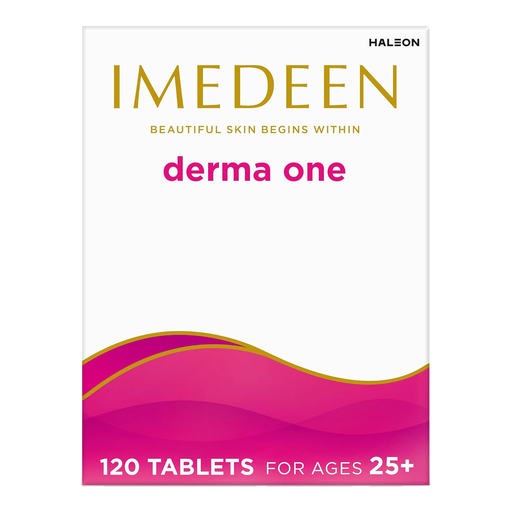
Why This Fits Their Persona: Suits adults seeking a dedicated skin and beauty supplement rather than a general multivitamin.
The product clearly lists its marine complex, vitamin C and zinc, along with fish and soya allergen information.
Two tablets provide 60mg vitamin C and 4mg zinc; 120 tablets offer approximately 60 daily servings.
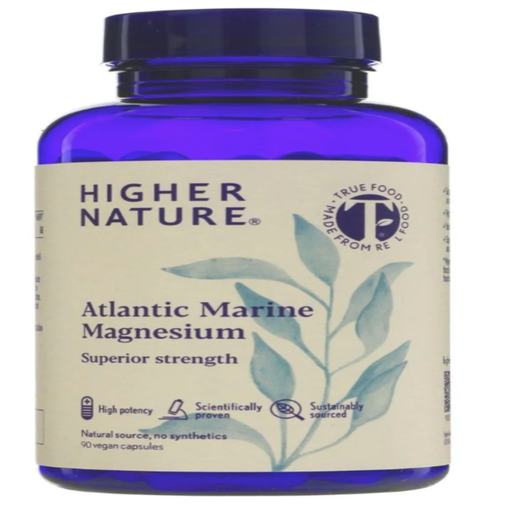
Why This Fits Their Persona: A practical choice for adults specifically comparing higher-dose magnesium formats for daily muscle, energy and nervous-system support.
The listing identifies 300mg magnesium per capsule and specifies the marine source, rather than presenting only a vague mineral blend.
One capsule daily; 90-capsule pack; suitable for vegan and vegetarian adults.
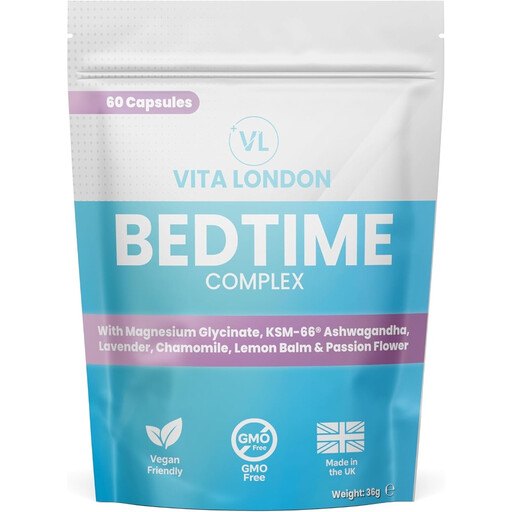
Why This Fits Their Persona: Designed for adults wanting a vegan evening routine combining magnesium glycinate with several botanical extracts.
The formula and directions identify two capsules before bedtime, helping shoppers calculate the one-month supply and avoid underestimating usage.
Vegan capsule format; includes magnesium glycinate, ashwagandha, lavender, chamomile, lemon balm and passion flower.
The lifespan of a pack depends on the serving size, not just the capsule count. Divide the number of tablets or capsules by the daily serving. A 60-capsule product taken at two capsules daily lasts around 30 days. Store supplements according to the label, keep them dry and cool, and do not use products with broken seals or an unclear expiry date.
No. Vegan describes the absence of animal-derived ingredients, but a product may still contain or be made alongside soya, gluten, nuts or other allergens. Read the complete ingredient and allergen information before ordering.
Check for duplicated nutrients and botanicals first. Combining a multivitamin with separate magnesium, zinc or vitamin B6 products may increase your total intake. Herbal supplements can also interact with medicines. If you take prescription medication, are pregnant or breastfeeding, or have a medical condition, ask a GP or pharmacist before starting a new supplement.