
24/7 Customer Support

Free returns

Same-day & Next-day Delivery

Quality Guaranteed

Unlock Your Welcome Offers: FREE Delivery | Up to 80% OFF | Free 30-day JoyPlus trial
Download the APP
Buying dietary supplements in the UK can seem straightforward until you compare dosage formats, ingredient lists, age guidance and dietary suitability. Gummies may look interchangeable, while probiotic products can differ significantly in strain information and storage requirements.
The main risk is not simply paying too much. It is buying a product that does not match your needs, contains an unsuitable allergen, duplicates nutrients from another supplement or is difficult to use consistently.
A larger number on the front of a pack is not automatically more appropriate. For probiotics, compare the CFU count, named strains and whether the figure applies per capsule or per daily serving. For vitamins and minerals, check the amount against the UK Nutrient Reference Value (NRV) and consider what you already consume through food or a multivitamin.
For example, a magnesium supplement providing 375mg per tablet requires more careful comparison than a product listing only “magnesium support”. The form—such as oxide, citrate or bisglycinate—should also be visible on the label.
Terms such as “detox”, “reset”, “cure” or “reverse” can make ordinary food supplements sound like treatments. In the UK, food supplements should not replace a varied diet, prescribed medicine or professional care. Choose products that clearly state their ingredients, dosage, warnings and intended nutritional function.
A supplement for gut health may contain probiotic cultures or prebiotic fibre, but it should not be selected as a substitute for diagnosis or treatment of ongoing digestive symptoms.
A product can appear vegan, vegetarian or allergen-friendly in marketing copy while its full ingredient list tells a different story. Check for fish, milk, soya, gelatine, gluten and shellfish, as well as capsule materials and culture media.
Format matters too. Tablets may suit people who prefer a one-a-day routine, while powders can be easier to adjust gradually. Gummies may be convenient, but they can contain sugar or sweeteners and must be stored securely around children.
Look for the exact nutrient quantity per serving, not merely the total weight of the container. A practical label should show:
For children’s products, age guidance is non-negotiable. Do not assume an adult vitamin D, iron or eye health supplement is suitable for a child. Iron in particular should be kept out of reach, as accidental excessive intake can be dangerous.
When comparing probiotic capsules or liquid products, check:
Some products are shelf-stable, while others require refrigeration after opening. A product that needs a daily 70ml serving may suit a home routine, but capsules may be more practical for commuting or travel.
Do not rely on front-of-pack symbols alone. Read the ingredients and allergen statement. For instance, a children’s eye gummy listing contains gelatine, despite accompanying marketing language describing a plant-based formula. That inconsistency is precisely why the supplied product label should take priority.
For vegan and vegetarian shoppers, also check whether a product uses fish-derived DHA, marine collagen, gelatine or milk-based culture media. Collagen supplements are generally marine or bovine in origin, so they are not suitable for vegan diets.
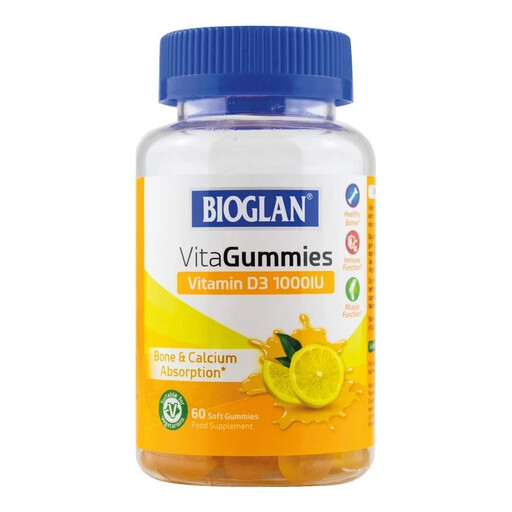
Why This Fits Their Persona: The 60-gummy pack provides a clearly defined two-month supply at one gummy daily, making it straightforward for adults and teenagers aged 12 and over who prefer a chewable format.
The label states 25μg (1,000IU) vitamin D3 per gummy, along with a defined age limit and a maximum of one gummy in 24 hours.
Pectin-based and vegetarian-friendly, with a lemon flavour and no water required for use.

Why This Fits Their Persona: Adults following vegan, vegetarian, gluten-free or dairy-free routines may value a capsule with six named strains and a clearly stated 50 billion CFU serving.
The product lists each culture and identifies inulin and psyllium husk, rather than relying only on a general “gut balance” message.
Vegan capsule shell, 30 servings and delayed-release capsule technology stated in the product details.
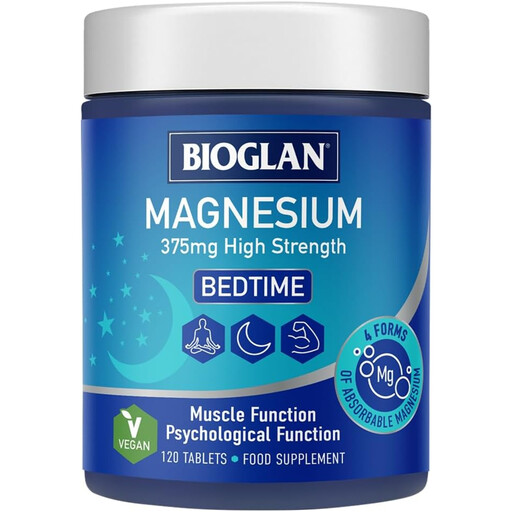
Why This Fits Their Persona: Fitness enthusiasts and adults seeking a simple daily mineral routine may prefer a 120-tablet pack with one tablet as the stated maximum daily dose.
It states the elemental magnesium amount—375mg per tablet—and identifies the oxide, citrate and bisglycinate sources.
Vegan and vegetarian-friendly, with a one-tablet format and 120 servings per pack.
Calculate the cost per daily serving, not just the pack price. A 120-tablet bottle may offer more servings than a 30-capsule pack, while powders can vary depending on whether you use one or two scoops daily. Include storage requirements and convenience: a refrigerated liquid may be less practical than a shelf-stable capsule for regular travel.
Check for duplicated ingredients before combining products. Vitamin D, magnesium, vitamin A, iron and zinc can appear in multivitamins, gummies and targeted formulas. Follow each label’s maximum intake and seek advice from a pharmacist or GP if you take medicines, are pregnant or breastfeeding, have a diagnosed condition or are choosing supplements for a child.
Follow the product-specific instructions. Some probiotic capsules are designed for room-temperature storage, while liquid products commonly require refrigeration and use within a stated period after opening. Prebiotic fibre powders should be sealed tightly and introduced gradually, as increasing fibre too quickly may cause temporary bloating or changes in bowel habits. Always check the best-before date, tamper seal and current label before use.