Fairtrade-minded snack buyers
If Fairtrade cocoa matters to you, look for the named ingredient and the claim on the exact chocolate digestive. A different cocoa-sourcing label does not establish Fairtrade certification.


For an occasional biscuit at home, choose the exact pack by its Fairtrade claim, allergen statement and serving information—not by its chocolate coating alone. Central Co-op Food identifies Fairtrade cocoa in its Free From Chocolate Digestive Biscuits, while the checked Asda and Sainsbury’s chocolate digestives identify Rainforest Alliance cocoa instead. If the snack is supplied by an English school outside lunch, separate school-food rules may rule out biscuits altogether.
The useful checks change depending on whether the biscuit is for an occasional snack at home, a child with an allergy, or food supplied at school.
If Fairtrade cocoa matters to you, look for the named ingredient and the claim on the exact chocolate digestive. A different cocoa-sourcing label does not establish Fairtrade certification.
Compare the purchased pack’s ingredients, precautionary warnings and serving information with the child’s needs. A “Free From” name does not answer every allergen question.
For food supplied to pupils at an English school, establish which school-food requirements apply before planning an after-school biscuit snack. The rules for school-provided food are distinct from a snack served at home.
Start with where the snack will be served. Then check the exact pack’s cocoa claim, allergy information and nutrition on a consistent serving basis.
| Priority | What to check | Your needs |
|---|---|---|
| Place served | Establish who supplies the food, where pupils receive it and whether it is outside school lunch. Under the applicable 2014 school-food requirements in England, cakes and biscuits must not be provided as food outside lunch. | For a school-provided after-school snack, I need to check the setting’s rules before choosing biscuits. That is a different decision from serving one at home. |
| Cocoa claim | Read the mark, the ingredient it names and any mass-balance wording. Central Co-op Food identifies Fairtrade cocoa for its Free From Chocolate Digestive Biscuits; Asda and Sainsbury’s identify Rainforest Alliance cocoa on their checked products. | If Fairtrade is my reason for choosing a chocolate digestive, I want a claim for the exact pack. Fairtrade International distinguishes a sourced-ingredient mark from a mark covering all eligible ingredients. |
| Allergens | Read the current ingredients and precautionary statements, not just “digestive” or “Free From”. Central Co-op Food lists milk, oats and soya in its checked Free From biscuit and warns it may contain nuts. | I need to match the complete allergy statement to the child’s requirements and check the school’s policy if I am packing the snack for school. |
| Portion information | Compare per-biscuit figures only with their stated biscuit sizes; use per 100g when comparing products on a common weight basis. McVitie’s lists 71 kcal and 2.2g sugar per Original biscuit, and 83 kcal and 4.8g sugar per Milk Chocolate Digestive biscuit. | For an occasional biscuit, I want to know what the pack counts as one serving. The McVitie’s figures describe two different products, not the effect of adding chocolate to an otherwise identical biscuit. |
| Snack type | Decide whether you specifically want a biscuit or another after-school snack. NHS Healthier Families suggests options including fruit, chopped vegetables and plain rice cakes in place of biscuits for a routine snack. | When a biscuit is not the point of the snack, I can choose a different food rather than treating a Fairtrade cocoa claim as nutrition advice. |
Asda and Sainsbury’s identify Rainforest Alliance cocoa on their checked chocolate digestives; Central Co-op Food identifies Fairtrade cocoa on its checked Free From product. These claims should not be substituted for one another.
Check the exact pack’s mark and named ingredient. Central Co-op Food describes its Fairtrade cocoa sourcing on a mass-balance basis, which does not mean the cocoa in an individual biscuit was physically segregated.
Central Co-op Food’s checked Free From chocolate digestive lists milk, oats and soya and says it may contain nuts. Its name alone cannot establish suitability for a particular child.
Read the purchased pack’s full allergy statement against the child’s requirements. If the food is going to school, check the school’s allergen policy too.
The applicable 2014 school-food requirements in England prohibit cakes and biscuits when food is provided outside school lunch. Cocoa certification does not change that rule.
Before planning snacks for an after-school club, establish the provider, premises and applicable school-food requirements. Do not assume the same rule applies to a biscuit served by a parent at home.
These references concern the particular digestive biscuits described, not every product made or sold under each name. Check the current pack when choosing.
Central Co-op Food lists a 200g Free From Chocolate Digestive Biscuit with a Fairtrade cocoa claim.
McVitie’s publishes ingredients and per-biscuit nutrition for its checked Original and Milk Chocolate Digestives.
M&S describes its checked Milk Chocolate Digestives as containing a 32% milk-chocolate ingredient and provides ingredients and nutrition information.
Asda identifies Rainforest Alliance-certified cocoa in its checked 300g Milk Chocolate Digestives.
Sainsbury’s identifies Rainforest Alliance cocoa in its checked 300g Milk Chocolate Digestives.
Tesco publishes ingredients, per-biscuit nutrition and storage directions for its checked 300g Milk Chocolate Digestive Biscuits.
These McVitie’s packs offer milk-chocolate, dark-chocolate and plain digestives for an occasional at-home snack. If Fairtrade cocoa is essential, check the claim on the exact pack rather than assuming it from the biscuit type.
 Image unavailable
A milk-chocolate digestive for an occasional snack at home. The product information identifies wheat, milk and soya; check the pack’s full allergen statement, serving figures and cocoa claim before choosing.
 Image unavailable
A twin pack for someone choosing a dark-chocolate digestive. Its product information identifies wheat, milk and soya and gives nutrition per 100g; use the pack’s serving information if comparing individual biscuits, and check its cocoa claim if Fairtrade matters.
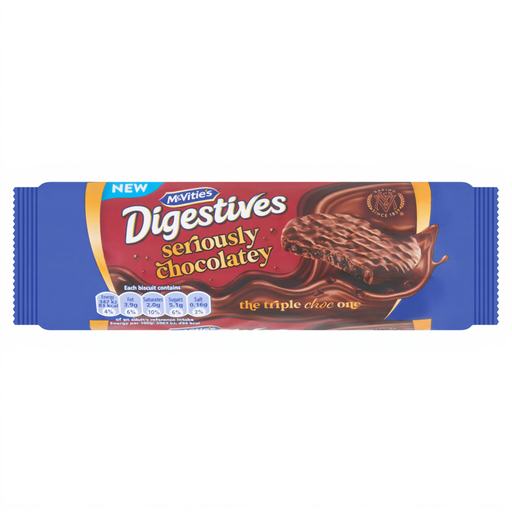 Image unavailable
A chocolate digestive option for an occasional at-home snack. Its product information identifies wheat, milk and soya and says it may contain nuts and eggs; nutrition is given per 100g. Check the current pack for its allergen statement and any Fairtrade claim.
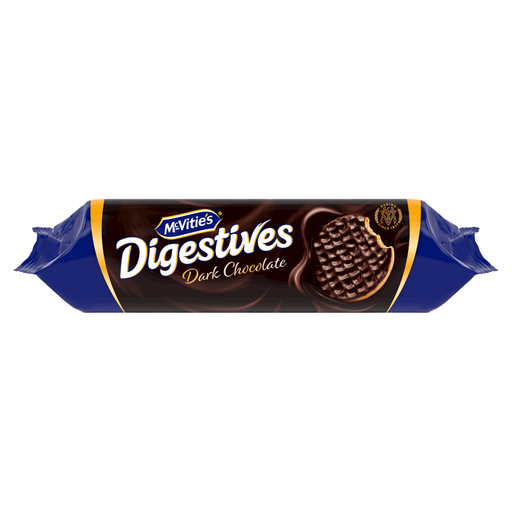 Image unavailable
A single 400g pack for someone choosing dark-chocolate digestives. Its product information identifies wheat, milk and soya and gives nutrition per 100g; consult the current pack for individual serving information and its cocoa claim.
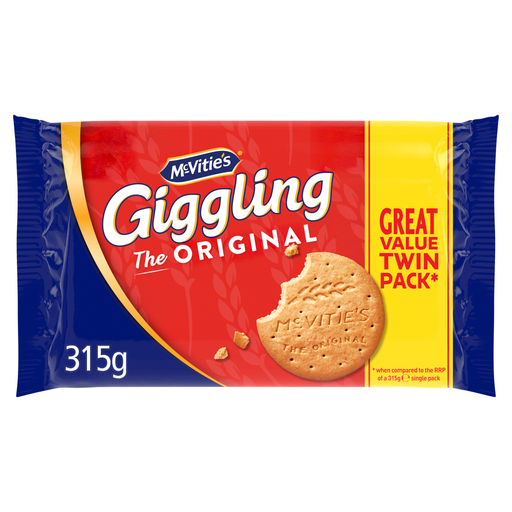 Image unavailable
A plain digestive twin pack if chocolate is not part of the choice. The product information identifies wheat and says the biscuits may contain milk; check the current pack’s full allergy statement and per-biscuit serving information.
No. Fairtrade International distinguishes a sourced-ingredient mark, which names an ingredient such as cocoa, from a mark covering all eligible ingredients. Central Co-op Food’s mass-balance cocoa claim concerns Fairtrade sourcing; it does not guarantee physically segregated Fairtrade cocoa in an individual biscuit. Read the mark and wording on the exact pack.
No. The checked conventional chocolate digestives include wheat and milk, while Central Co-op Food’s checked Free From biscuit contains milk, oats and soya and may contain nuts. Match the purchased pack’s complete allergy statement to the child’s requirements, and check the school’s policy if packing the food for school.
A Fairtrade cocoa claim describes sourcing, not nutrition. For a routine alternative to biscuits, NHS Healthier Families suggests foods such as fruit, chopped vegetables and plain rice cakes. If choosing an occasional biscuit, use its own serving and nutrition information.
Where the 2014 school-food requirements apply to food provided outside school lunch, they say cakes and biscuits must not be provided. Establish whether the club’s provider and setting fall within those requirements before choosing food; this rule is distinct from serving a biscuit at home. Department for Education guidance dated September 2026 describes proposed updated standards for September 2027 as subject to Parliamentary approval.
Compare the ingredients and use nutrition figures on the same basis. McVitie’s lists 71 kcal and 2.2g sugar per Original biscuit, compared with 83 kcal and 4.8g sugar per Milk Chocolate Digestive biscuit. Those figures refer to different products and biscuit sizes, so they do not measure the coating’s effect on an otherwise identical biscuit.