Families making biscuit bases
Choose the plain or chocolate digestive specified by the recipe for crushing and pressing into a base. Children can help with the biscuit preparation; an adult should handle hot equipment.


Choose plain digestives for a plain biscuit base or when children will add a separate chocolate topping; choose coated digestives when the recipe calls for them or the coating is part of the treat. Check the biscuit, chocolate and other ingredients against the needs of everyone eating the finished bake. A box of chocolates is a separate, optional ingredient, not a replacement for the biscuits specified by a recipe.
Choose the plain or chocolate digestive specified by the recipe for crushing and pressing into a base. Children can help with the biscuit preparation; an adult should handle hot equipment.
Decide whether children will add chocolate to plain biscuits or start with coated ones. Check the ingredients of the biscuits and every topping.
Assess every ingredient for the person who will eat the treat. A free-from label describes particular exclusions; a vegan label answers a different question and does not establish allergy suitability.
Start with the recipe’s biscuit type and quantity, then check the complete ingredient list for the finished treat.
| Priority | What to check | Your needs |
|---|---|---|
| Recipe fit | Check whether the recipe specifies plain or chocolate digestives. Good Food’s no-bake chocolate cheesecake specifies chocolate digestives and lists additional chocolate separately. | I’m making a plain base to top myself, or I need the coated biscuits named in my recipe. |
| Ingredients | Read the biscuit pack’s ingredients and precautionary allergen statements, then check the chocolate and toppings. Assess any free-from claim against the particular exclusions needed. | Someone eating the finished treat has an allergy or intolerance, so each ingredient needs checking. |
| Chocolate | Check whether chocolate is already on the biscuit and whether the recipe calls for more. A box of chocolates is not interchangeable with recipe-specified biscuits or baking chocolate. | We want to decorate plain biscuits together, or use a coating that is already on each biscuit. |
| Quantity | Compare the recipe’s biscuit quantity with the pack weight. List any separate chocolate, butter or filling ingredients the recipe requires. | I want enough of the specified biscuits without overlooking the rest of the ingredients. |
A vegan label alone does not establish whether a biscuit is suitable for someone with an allergy. Precautionary statements and added ingredients also matter.
Check the particular pack and every ingredient used in the finished treat against the eater’s requirements.
Good Food’s no-bake chocolate cheesecake lists chocolate digestives and additional chocolate as separate ingredients.
Choose the recipe first, then check its quantities and the ingredients of the biscuits, chocolate and toppings separately.
Even when the biscuits are coated, the recipe may require separate chocolate.
The NHS advises against giving whole nuts to children under five because they can choke on them.
Do not serve whole nuts as a topping to a child in that age group; assess other decorations for the children who will eat them.
These brand examples show different biscuit types and label considerations; they are not a list of products available on Joybuy.
McVitie’s lists plain Original and milk-chocolate Digestives as distinct variants.
Iceland Foods lists Crawford’s plain Digestives in a 400 g pack.
Tesco lists its own-label plain Digestives in a 400 g pack.
Sainsbury’s lists a 188 g Free From digestive for shoppers checking gluten and milk exclusions.
Asda lists plain 400 g Digestives and a separate 188 g Free From option.
M&S lists milk-chocolate Digestives in a 300 g pack.
These options cover plain digestives for bases or decorating and chocolate-coated digestives for recipes that call for them. Check the recipe and the delivered pack before baking.
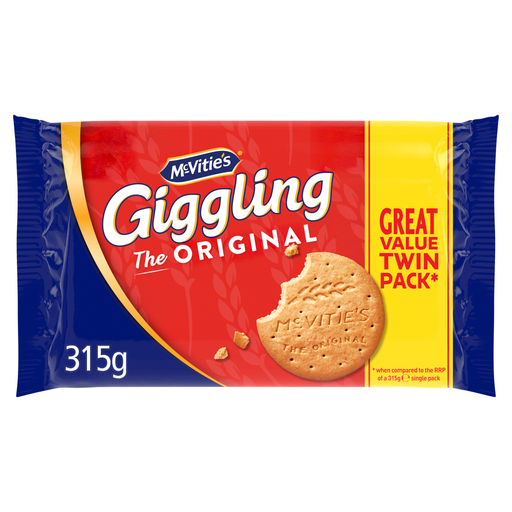 No image available
A plain-biscuit option when a recipe calls for digestives without a chocolate coating. The twin pack is 2 x 315g; check the delivered pack’s allergen information and buy any recipe chocolate separately.
No image available
A 400g plain digestive option for a recipe that does not call for coated biscuits. Check the delivered pack’s ingredients and any sweetener information before using it for a group; chocolate for the recipe is separate.
 No image available
A dark-chocolate-coated option when that biscuit type suits the recipe. The twin pack is 2 x 266g; check whether the recipe also requires separate chocolate and read the delivered pack’s allergen information.
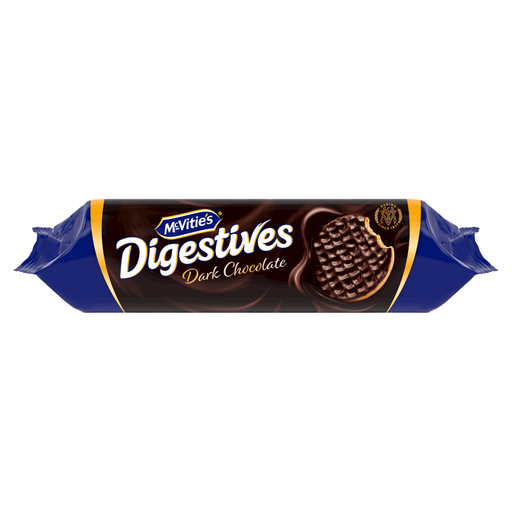 No image available
A 400g dark-chocolate-coated option to consider when the recipe calls for chocolate digestives. It is not a substitute for a specified plain biscuit or for additional recipe chocolate; check the delivered pack’s ingredients.
 No image available
A 400g milk-chocolate-coated option for a recipe specifying chocolate digestives. McVitie’s lists milk and soya ingredients for its milk-chocolate variant; check this pack and any other recipe ingredients for the people eating the bake.
Yes. Good Food’s no-bake cheesecake method uses crushed chocolate digestives pressed into a tin. It also involves melting chocolate, so an adult should manage hot pans and equipment.
Not on its own. Check the biscuit pack’s ingredients and precautionary statements, then assess every chocolate, filling and topping against that person’s requirements.
Follow the particular pack’s instructions. Asda’s plain-digestive listing advises keeping them cool and dry, away from heat and sunlight, and using an airtight container after opening.
Check the ingredients and allergen information on the particular pack. UK government food-labelling guidance requires prepacked foods to display an ingredients list including allergens; the label still needs assessing for the individual who will eat the biscuit.