Classic cheesecake bakers
If your recipe specifies a digestive-and-butter base, start with the stated biscuit type and weight. Dr. Oetker UK’s cheesecake-base method, for example, calls for plain digestives.


For a cheesecake base written for plain digestives, buy a plain variety and check the biscuit weight in your recipe: Dr. Oetker UK uses 250 g of digestives with 125 g of unsalted butter in one method. Choose chocolate-coated digestives when chocolate belongs in the dessert, or a specifically labelled dietary alternative when an eater needs one; neither is an automatic substitute for plain biscuits, so check the exact pack and the other cake ingredients.
If your recipe specifies a digestive-and-butter base, start with the stated biscuit type and weight. Dr. Oetker UK’s cheesecake-base method, for example, calls for plain digestives.
A plain biscuit lets you follow a conventional digestive-base recipe. A chocolate-coated variety makes chocolate part of the base, so choose it deliberately rather than treating the two packets as interchangeable.
Check the exact biscuit’s ingredients and allergen statements against each guest’s requirements, then check the butter, filling and any toppings. The name “digestive” and a vegan label do not answer every dietary question.
Start with the recipe and the people eating the cake, then choose the variety and pack size that fit.
| Priority | What to check | Your needs |
|---|---|---|
| Recipe fit | Check whether the method specifies plain digestives and how many grams it requires. Dr. Oetker UK uses 250 g of biscuits and 125 g of unsalted butter in one cheesecake-base method; use your own recipe’s quantities. | I want the biscuit type the recipe calls for, with enough in the pack to make its base. |
| Flavour and coating | Distinguish plain biscuits from chocolate-coated ones. Check the exact variety: M&S lists milk chocolate as 32% of its milk-chocolate digestive, a different product from its plain digestive. | If chocolate should be part of the dessert, I can choose a coated biscuit. Otherwise, I want to avoid changing the base’s intended flavour. |
| Dietary fit | Read the current ingredient and precautionary allergen statements for the exact pack, and check the rest of the cake. Tesco’s vegan plain digestives contain wheat; Asda’s separately labelled Free From digestives are gluten-free and milk-free but list oats and a nut precaution. | When someone has a specific dietary requirement, I need to check the whole recipe, not rely on a vegan claim or the biscuit’s name. |
| Pack quantity | Compare the net weight with the recipe’s required biscuit weight. Include the recipe’s other ingredients in your shopping list; a pack of biscuits is not a complete crumb base. | I would rather check the grams before buying than discover halfway through that the pack does not cover the recipe. |
A chocolate-coated digestive brings chocolate and a different ingredient profile to the base. It will not reproduce a recipe written around plain biscuits without a change to the intended flavour.
Check the full variety name before choosing a brand, especially when the recipe specifies plain digestives.
Tesco lists its plain digestives as vegan, but they contain wheat and may contain peanuts and nuts. Asda’s separately labelled Free From digestives have a different ingredient and precautionary profile.
Read the current label for the exact pack and check every other ingredient in the cake against the eater’s requirements.
Dr. Oetker UK’s cheesecake-base method uses 250 g of digestives as well as 125 g of unsalted butter. A biscuit pack alone does not supply both ingredients, and another recipe may call for different amounts.
Read the method first, then compare its quantities with the pack weight and the ingredients you already have.
These references describe particular biscuits and labels, not a comparison of how their finished cake bases perform.
The Original is a plain digestive to consider when a recipe calls for a conventional biscuit base.
The 400 g plain digestives are another wheat-based variety to compare with a recipe’s requirements.
Tesco’s 400 g plain digestives offer a listed vegan option for recipes requiring plain biscuits.
Sainsbury’s lists its 400 g digestives as plain wheatmeal biscuits suitable for vegans.
Asda lists ordinary plain digestives and a separate Free From product; check which one meets the recipe and dietary requirements.
M&S offers a plain demerara-sugar digestive as well as a distinct milk-chocolate-coated variety.
These McVitie’s options cover a plain Original twin pack for recipes calling for plain digestives and chocolate varieties for bases where chocolate is intended. Check the chosen recipe and the current pack label before using any of them.
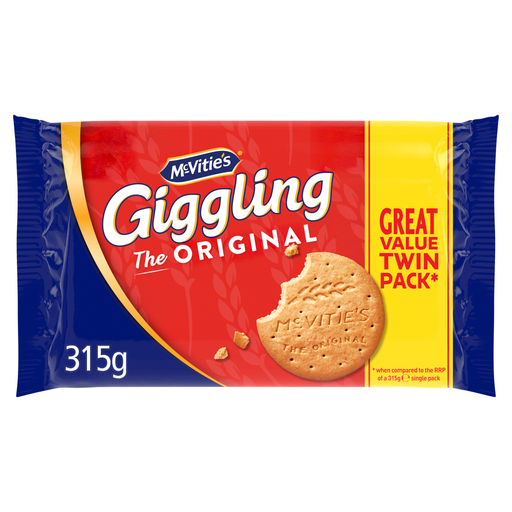 No image available
A plain Original option when the recipe specifies digestives. The twin pack contains two 315 g packs; check the recipe’s required weight and the current ingredient label.
 No image available
Choose this dark-chocolate variety when chocolate is intended in the base, rather than as an unchanged substitute in a plain-digestive recipe. The twin pack contains two 266 g packs; check its current ingredient label for dietary requirements.
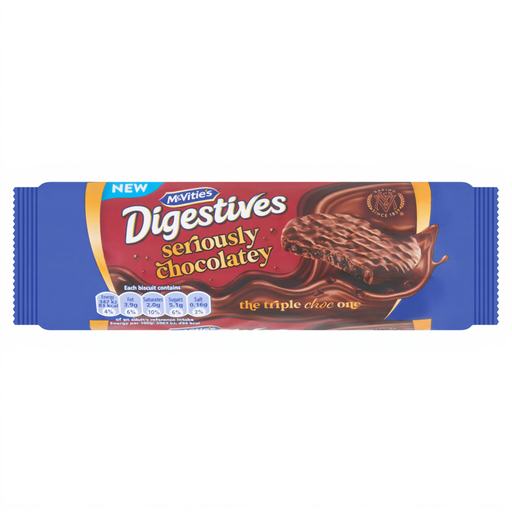 No image available
This 250 g chocolate variety is an option when the dessert calls for chocolate in its biscuit base. Its pack weight matches the biscuit quantity in Dr. Oetker UK’s cited method, but that method uses plain digestives; check the recipe before changing varieties.
No image available
A 400 g dark-chocolate variety for a base where chocolate is part of the intended flavour. Compare the weight with your recipe and check the exact pack’s ingredients before serving guests with dietary requirements.
 No image available
This 400 g milk-chocolate variety is for a dessert where chocolate belongs in the biscuit base. It is distinct from the plain Original; check the recipe quantity and the current ingredient label.
Buy the weight specified by your chosen recipe. Dr. Oetker UK uses 250 g of digestives with 125 g of unsalted butter in one cheesecake-base method; those quantities are not a rule for every cake or tin.
In Dr. Oetker UK’s method, crush the digestives finely, combine them with melted butter, press the mixture firmly into the tin and refrigerate it while preparing the filling. Follow your chosen recipe if its method differs.
No: check the base, filling and toppings against the person’s particular requirements. Tesco lists its plain digestives as vegan, but they contain wheat and may contain peanuts and nuts.
Read the current ingredients and precautionary allergen statements on the exact pack, then check every other cake ingredient. Asda’s ordinary digestives contain wheat, while its separate gluten-free, milk-free Free From product lists oats and may contain nuts.
Follow the directions on the pack you bought. Sainsbury’s advises keeping its 400 g digestives in an airtight container once opened; check the instructions for other products rather than assuming they are identical.