Classic cheesecake and dessert-base bakers
A plain digestive suits a cheesecake, fridge cake or pie-style base when you want the filling’s flavour to remain central. Check how many biscuits the recipe calls for before choosing a pack.


Choose plain digestives for a cheesecake base when you want the biscuit flavour to sit behind the filling; choose chocolate-coated digestives when chocolate is part of the planned dessert. If the bake must avoid gluten, select a digestive labelled for that requirement and check the current allergen information. Dr. Oetker UK’s base method uses 250g of digestives with 125g of unsalted butter, so compare the recipe quantity with the pack size before buying.
A plain digestive suits a cheesecake, fridge cake or pie-style base when you want the filling’s flavour to remain central. Check how many biscuits the recipe calls for before choosing a pack.
Choose a biscuit labelled for the ingredients you need to avoid, then read its current allergen and precautionary statements. A gluten-, wheat- and milk-free label does not answer a separate question about peanuts or nuts.
Chocolate-coated digestives make sense when the biscuit layer is intended to taste of chocolate. Check the coating’s ingredients and allergens rather than treating it as interchangeable with a plain digestive.
Decide on the base’s flavour and dietary requirements first, then match the pack weight to your recipe.
| Priority | What to check | Your needs |
|---|---|---|
| Base flavour | Choose between a plain biscuit and a chocolate-coated one. Check whether the filling calls for a neutral or chocolate-led base. | I want the filling to lead, so I’ll choose plain digestives. If chocolate is part of the dessert, I’ll consider a coated biscuit instead. |
| Allergens | Read the current ingredients and allergen statements for the exact pack. Check precautionary warnings separately from free-from claims. | For a guest avoiding gluten, wheat or milk, I need a label that addresses that requirement. A separate peanut or nut restriction needs its own check. |
| Recipe quantity | Compare the recipe’s biscuit weight with the net weight of each pack. Dr. Oetker UK’s cheesecake-base method calls for 250g of digestives and 125g of unsalted butter. | I don’t want to run short while making the base; a pack smaller than my recipe’s biscuit quantity means I’ll need another. |
| Finished dessert | Check the binder and filling as well as the biscuits if the whole dessert needs to be vegan or free from a particular ingredient. | A biscuit marked vegan won’t make my finished base vegan if I follow a method using ordinary butter. |
A chocolate coating changes the flavour of the biscuit layer and calls for its own ingredient and allergen checks.
Choose plain digestives for a base intended to sit behind the filling; choose a chocolate variant when that flavour belongs in the dessert.
Tesco Free From Digestive Biscuits are described as gluten, wheat and milk free, but their product information also carries a precautionary peanut and nut statement.
Check the current pack against each person’s specific ingredient and precautionary-allergen requirements.
Dr. Oetker UK’s cited base method uses 250g of digestives; one 160g pack of Tesco Free From Digestive Biscuits would not supply that quantity.
Check your own recipe’s biscuit weight and add up the pack weights before ordering.
For that 250g method, the 160g biscuit option requires more than one pack.
The cited Dr. Oetker UK method uses unsalted butter, even though some plain digestives are labelled suitable for vegans.
If the finished dessert must be vegan, check the binder and filling as well as the biscuit label.
An original plain digestive option for a conventional biscuit base.
Its referenced plain wheatmeal digestives come in a 400g pack.
Its referenced Free From Digestive Biscuits are a 160g option labelled gluten, wheat and milk free.
The referenced range includes plain 400g digestives and a separate milk-chocolate variant.
These Joybuy options cover plain, gluten-free and chocolate digestive choices for a biscuit base. Match the pack weight and the current ingredient label to the recipe and the people eating it.
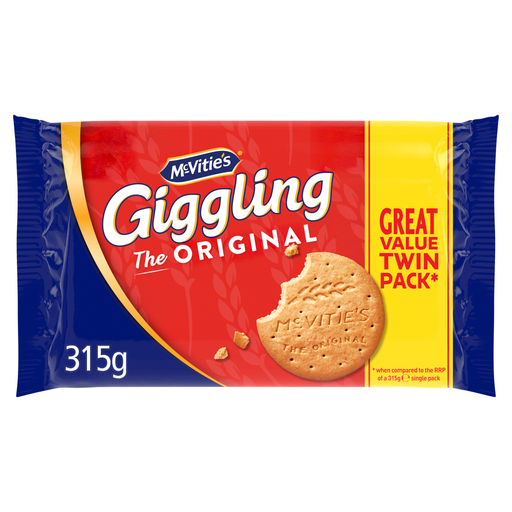 Image unavailable
A plain digestive option for a base where the filling’s flavour should lead. The two 315g packs provide more than the 250g of biscuits in Dr. Oetker UK’s cited method; check the current allergen label before baking for guests.
 Image unavailable
A 400g digestive option when your recipe calls for a plain biscuit base. Check the current ingredients, allergen information and nutrition declaration if the product’s sugar-free variant matters to your choice.
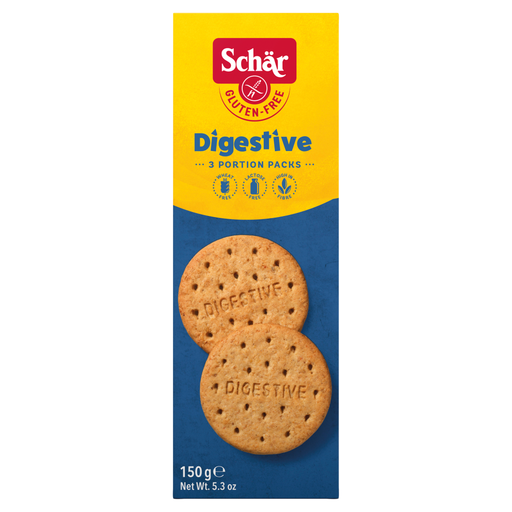 Image unavailable
A gluten-free digestive option to consider for a base that must avoid gluten; check the current label for any other ingredient restrictions. One 150g pack is less than the 250g of biscuits in Dr. Oetker UK’s cited method, so that quantity would require two packs.
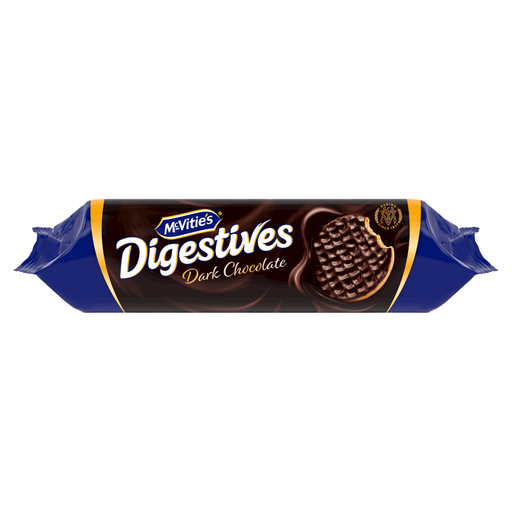 Image unavailable
Choose this 400g dark-chocolate variant when chocolate belongs in the biscuit layer, rather than for a neutral base. Its pack weight exceeds the 250g biscuit quantity in Dr. Oetker UK’s cited method; check the current coating ingredients and allergens.
 Image unavailable
A 400g milk-chocolate digestive for a dessert intended to have a chocolate biscuit layer. It is not a flavour-neutral substitute for plain digestives; check the current ingredients and allergen label before using it for guests.
Dr. Oetker UK’s cited cheesecake-base method uses 250g of digestives with 125g of unsalted butter. Check your own recipe before buying, particularly if it uses a different tin or base thickness.
Use plain digestives when you want the filling to remain the main flavour. Choose chocolate-coated digestives when chocolate is an intended part of the biscuit layer, and check the variant’s ingredients and allergens.
For a gluten-free base, choose digestives labelled gluten free and check every other ingredient in the finished dessert. For a vegan base, check that the biscuits, binder and filling all meet that requirement; the cited Dr. Oetker UK method uses unsalted butter.
A gluten-free label alone does not establish nut suitability. Tesco Free From Digestive Biscuits are labelled gluten, wheat and milk free but carry a precautionary peanut and nut statement, so check the current label against the person’s specific requirements.
Follow the storage directions on the pack you bought. The referenced product guidance calls for cool, dry storage and an airtight container after opening.