Hosts preparing one treat per guest
An individually wrapped bar fits a single-handout plan. Check how many bars are in the outer pack: its total weight does not tell you how many guests it will serve.


Choose an individually wrapped digestive bar if each guest needs one separate treat. Sealed two- or three-biscuit portions suit a different kind of handout, while an ordinary packet works for a sharing table. Check the number and type of portions in the pack, the ingredients and any rules that apply to the event before ordering.
For a Christmas party, the serving arrangement matters more than the word “digestive” on the front of the pack.
An individually wrapped bar fits a single-handout plan. Check how many bars are in the outer pack: its total weight does not tell you how many guests it will serve.
An ordinary packet lets guests choose a plain or chocolate digestive from a communal serving area. Keep the purchased pack and its ingredient information available, particularly when guests have dietary requirements.
Check the exact purchased label against guests’ allergen requirements. If food is being provided to pupils at an England state-funded school, check the applicable school-food standards and the circumstances of service as well.
Decide whether guests will receive a wrapped handout or serve themselves, then count the suitable portions rather than relying on the outer pack’s weight.
| Priority | What to check | Your needs |
|---|---|---|
| One wrapped treat | Confirm that each wrapper contains one bar and check the wrapper count. Marks & Spencer lists individually wrapped milk-chocolate digestive bars in a 182 g outer pack; the outer-pack weight is not a bar count. | I want to give each guest one separately wrapped chocolate-covered treat. |
| Small portion packs | Check biscuits per wrapper and the varieties supplied. Vending Superstore lists McVitie’s packs with two chocolate digestives per wrapper and a Crawford’s assortment with three biscuits per pack. | Two biscuits in each handout would suit my event, or I’m happy to offer an assortment rather than a digestive in every pack. |
| Plain or chocolate | Check the exact biscuit and serving format. Tesco lists a 400 g plain digestive packet; McVitie’s lists milk-chocolate digestives in standard packet sizes. Neither is a single wrapped bar. | I’d like guests to choose biscuits from a shared table, and I need to decide whether to serve plain or chocolate digestives. |
| Ingredients and setting | Read the purchased pack’s allergen information. For food provided to pupils at an England state-funded school, check the applicable school-food standards before choosing a chocolate-coated product; the Requirements for School Food Regulations 2014 include wholly or partly chocolate-coated products in their definition of confectionery. | Guests’ ingredient requirements matter, or I’m organising food for pupils rather than a private party. |
| Quantity to order | Count suitable wrappers or portions per outer pack, then account for any mixed varieties. A Crawford’s case listed by Vending Superstore contains 100 assorted packs, but that is not a count of digestive-only packs. | I need enough suitable handouts for the guest list without counting every assorted pack as a digestive. |
A single digestive bar, a two-biscuit wrapper and a three-biscuit portion are different handouts. Marks & Spencer lists the bar format, while Vending Superstore lists the McVitie’s twin packs and Crawford’s assorted portions.
Before calculating quantities, check the wrapper count and what each wrapper contains.
Vending Superstore describes the Crawford’s 100-pack case as containing six biscuit varieties, including digestives. The case total therefore does not tell you how many digestive portions guests can receive.
If every handout must contain digestives, confirm the variety breakdown or choose a digestive-only product.
The Department for Education says school-food standards are a legal requirement for state-funded schools. England’s Requirements for School Food Regulations 2014 define wholly or partly chocolate-coated products as confectionery; whether a particular service is covered needs to be assessed in its setting.
For food provided to pupils, check the applicable standards and the organiser’s arrangements before selecting the bar.
These examples show why a brand name alone cannot tell you whether you are buying a bar, a portion pack or biscuits to share.
Marks & Spencer lists an individually wrapped milk-chocolate digestive biscuit-bar product.
McVitie’s milk-chocolate digestives appear both as standard packets and, in a Vending Superstore listing, sealed two-biscuit portions.
Vending Superstore lists Crawford’s mini packs as an assorted case of sealed three-biscuit portions.
Tesco lists a 400 g packet of plain digestives for a shared-biscuit arrangement.
These Joybuy packets are options for serving digestives from a shared table. They are not substitutes for one individually wrapped bar per guest.
 No image available
A milk-chocolate digestive packet for a shared serving area. The listed size is 400 g; it does not provide separately wrapped single-bar handouts. Check the purchased pack’s ingredients before serving guests with allergen requirements.
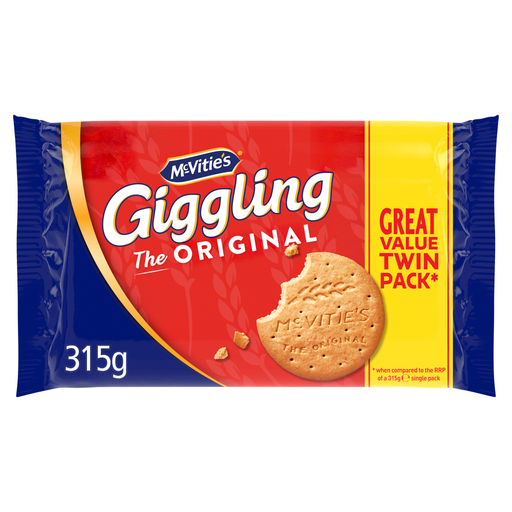 No image available
A plain digestive option for guests serving themselves. The listed format is 2 x 315 g, not individually wrapped bars. Check the purchased packs’ allergen information if guests have dietary requirements.
 No image available
A dark-chocolate digestive option for a sharing table. The listed format is two 266 g packs, not sealed individual handouts. Check the exact purchased label for allergens.
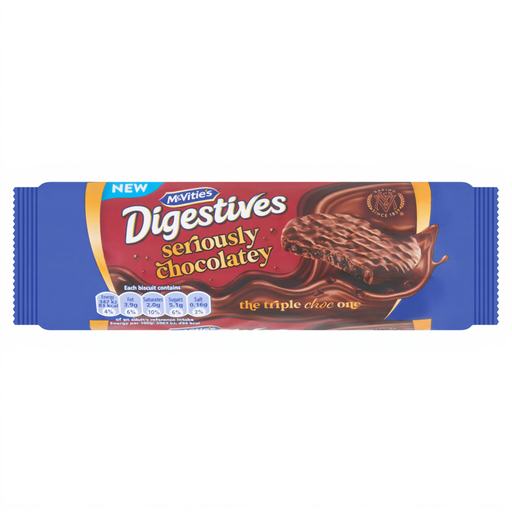 No image available
A 250 g chocolate digestive packet to consider when guests will serve themselves. It does not meet a requirement for one wrapped bar per guest. Check its purchased label for ingredients and allergens.
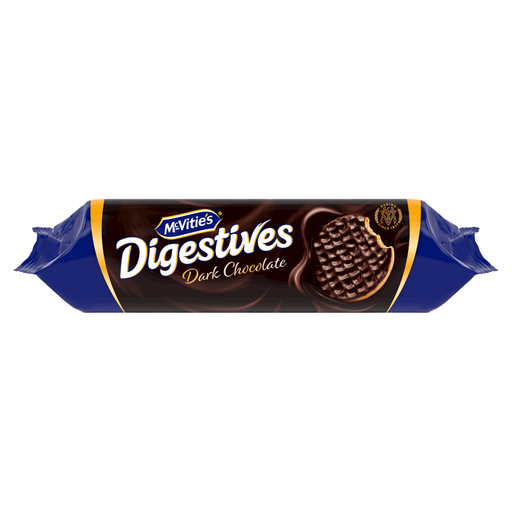 No image available
A dark-chocolate digestive packet for a communal serving area. Its listed size is 400 g, and it is not a pack of individually wrapped bars. Check the purchased label against guests’ allergen requirements.
The listed M&S bars are ready-to-eat treats, so no preparation is described. If you plan one per guest, check how many wrapped bars the outer pack contains before ordering.
Follow the directions on the purchased pack. Tesco’s directions for its digestives say to store them in a cool, dry place and transfer them to an airtight container once opened; do not assume those instructions apply to every bar or portion pack.
Check the exact purchased label and the guest’s requirements rather than relying only on an online listing. The Food Standards Agency’s UK consumer advice explains that food businesses must provide information about regulated allergens used as ingredients.
Check the setting and how the food will be provided before choosing them. The Department for Education says school-food standards are a legal requirement for England’s state-funded schools, and the Requirements for School Food Regulations 2014 define wholly or partly chocolate-coated products as confectionery. That does not establish a rule for every private party. The Department’s proposed changes for September 2027 were subject to Parliamentary approval and were not current requirements in September 2026.