Hosts serving a mixed group
A plain digestive gives guests a non-chocolate choice alongside tea, coffee or dessert. Offer another variety as an addition rather than assuming everyone wants the same coating.


For a mixed Christmas party, plain wheatmeal digestives make a useful non-chocolate option; add chocolate-coated biscuits if guests want them, or an explicitly labelled gluten-free pack if a guest needs one. Check the current pack against each guest’s requirements, and keep gluten-free biscuits separate from wheat biscuits when serving.
A plain digestive gives guests a non-chocolate choice alongside tea, coffee or dessert. Offer another variety as an addition rather than assuming everyone wants the same coating.
Choose a biscuit explicitly labelled gluten free and keep it separate from wheat biscuits. Check its other allergens too: Sainsbury’s Free From chocolate digestive, for example, carries a nut-allergy warning despite its gluten-free designation.
Chocolate-coated digestives offer a different flavour from plain ones, but their ingredients and nutrition values need their own check. The listed M&S milk-chocolate version contains milk, soya and wheat.
Decide which biscuit types guests need, then check the exact packs for allergens and enough servings.
| Priority | What to check | Your needs |
|---|---|---|
| Allergens and diets | Read the current ingredients and allergen statement for each pack. Look for an explicit gluten-free label where required, and check other allergens and precautionary warnings separately. | If a guest needs gluten-free food, I want an identified biscuit that stays separate from wheat biscuits. A vegan or gluten-free label alone does not answer every allergy question. |
| Plain or chocolate | Choose a plain wheatmeal or coated variety for its role on the table. For a like-for-like nutrition check, compare figures per 100 g; Marks & Spencer lists 18.2 g sugars and 10.3 g saturates for its plain digestive, against 33.2 g sugars and 13.8 g saturates for its milk-chocolate coated version. | A non-chocolate biscuit would work alongside hot drinks; if guests also want a chocolate option, I can put out a separate plate. |
| Pack quantity | Compare net weight and stated servings, not just the number of packs. Sainsbury’s lists approximately 27 servings for its 400 g plain digestives and 10 for its 166 g Free From chocolate digestives. | I want enough of each biscuit for the guests likely to choose it, especially when a smaller pack is the only suitable option for someone. |
| Current packaging | Check the physical pack at purchase and before serving, particularly when allergies matter. Keep the packaging available so guests can read it themselves. | Ingredients can change, so I would rather use the pack in hand than rely solely on a product page I read earlier. |
The listed standard plain digestives contain wheat or cereals containing gluten. Chocolate and specialist varieties can have different allergens and warnings.
Ask about essential requirements before buying. Identify each option clearly and keep a gluten-free biscuit separate from wheat biscuits during serving.
Marks & Spencer’s listed milk-chocolate coated digestive has higher sugars and saturates per 100 g than its listed plain digestive; the name alone does not describe either product’s values.
If nutrition values affect your choice, compare the packs on the same per-100 g basis and note the serving size.
A small pack may cover fewer guests than a larger plain pack. Sainsbury’s lists 10 servings for its 166 g Free From chocolate digestives and approximately 27 for its 400 g plain digestives.
Plan the quantity of each type around the guests who need or want it, while keeping dietary requirements separate from general preferences.
Department of Health and Social Care guidance for England addresses retail promotion and placement of certain foods high in fat, salt or sugar. The Education Hub’s school-food guidance concerns food schools provide; these are different settings from a private gathering.
For a home party, focus on guest requirements and the products’ labels. If a school is providing the food, check the current rules for that setting and nation.
These examples show different biscuit formats and label details; a brand name does not establish that every product in its range has the same ingredients.
McVitie’s Original is a plain branded digestive to consider for the main biscuit plate.
Sainsbury’s lists both a plain wheatmeal digestive and a separate Free From chocolate digestive.
M&S provides plain and milk-chocolate coated digestives for two different places on a biscuit table.
Tesco’s listing for McVitie’s Original 360 g provides a way to check that particular branded pack’s details.
Crawford’s assorted mini packs are worth considering when individually packed biscuits suit the way you plan to set out the food.
These packs cover a plain biscuit for general sharing, chocolate-coated additions and a gluten-free option. Choose the quantities and varieties around your guests, then check each current pack’s dietary and allergen information.
 No image available
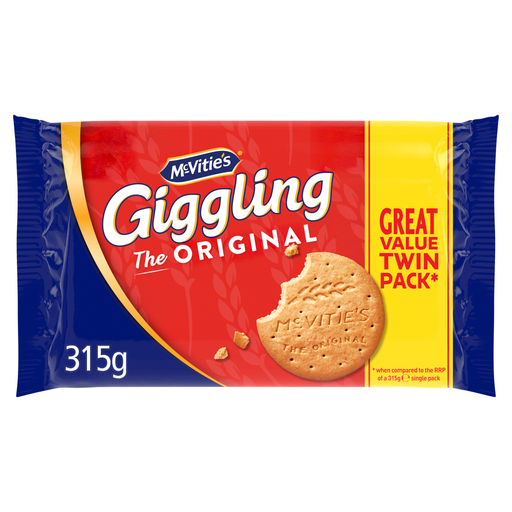
A plain digestive option for the general biscuit plate. This twin pack contains 2x315g; Joybuy’s product information gives a typical count of 42 biscuits per twin pack. Check the current pack if guests need a particular dietary label or must avoid an allergen.
 No image available
A dark-chocolate option to set alongside plain biscuits when guests want a coated variety. The twin pack contains 2 x 266g. Check its current allergen statement before serving it to guests with dietary restrictions.
 No image available
Another dark-chocolate choice, in a single 400g pack rather than the twin-pack format above. Compare the pack quantity with your guest numbers, and read its current label for allergens and dietary suitability.
 No image available
A 400g milk-chocolate digestive pack for guests who prefer that coating to dark chocolate or a plain biscuit. Check the current ingredients and allergen statement rather than assuming it has the same dietary suitability as a plain digestive.
 No image available
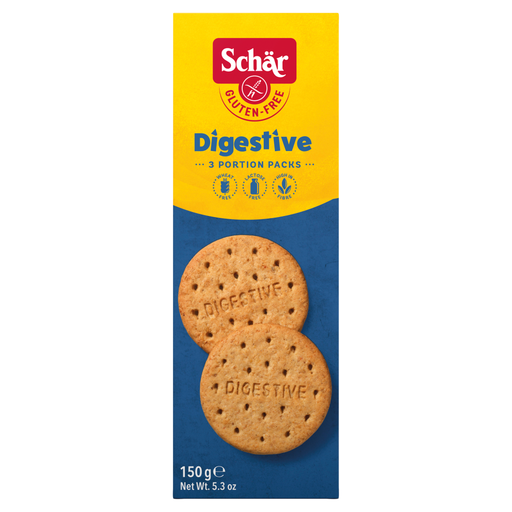
A 150g gluten-free pack to consider when a guest needs a separate biscuit option. Confirm the current pack’s full allergen information against that guest’s requirements, and plan how to serve it apart from wheat biscuits.
Put out plain digestives when you want a non-chocolate biscuit alongside drinks or dessert; add a coated variety if guests want one. For the listed M&S products, the milk-chocolate coated digestive has higher sugars and saturates per 100 g than the plain version and contains milk and soya.
The listed McVitie’s Original, Sainsbury’s plain and M&S plain digestives contain wheat or cereals containing gluten. For a guest who needs a gluten-free biscuit, choose an explicitly labelled pack and keep it separate from wheat biscuits when serving.
No. Gluten-free labelling addresses gluten, not every other allergen. Sainsbury’s says its Free From chocolate digestive is not suitable for customers with a nut allergy because of manufacturing methods; check the exact pack against each guest’s requirements.
England’s Department of Health and Social Care guidance on foods high in fat, salt or sugar addresses certain retail promotions and product placement, not what a household puts on its party table. School-food guidance concerns food schools provide; if the event is school-provided, check the rules for its setting and nation rather than applying a home-party assumption.
Use the webpage to plan, then read the current physical pack before serving when an allergy or intolerance matters. Product information can change, and the pack lets guests check the ingredients and warnings for the biscuits actually on the table.