Traditional cream-tea hosts
Keep the scone, jam and clotted cream as the traditional serving, with digestives offered separately. The National Trust describes those three components in its account of a classic Cornish cream tea.


For a traditional cream tea, keep the scone, jam and clotted cream, and offer digestives alongside rather than in place of the scone. Choose a plain digestive for a biscuit with tea, or a chocolate-coated one if guests would prefer a separate chocolate treat; check the particular pack’s ingredients when choosing between recipes.
Keep the scone, jam and clotted cream as the traditional serving, with digestives offered separately. The National Trust describes those three components in its account of a classic Cornish cream tea.
Compare the selected packs’ ingredients and allergen statements. Plain digestives from different brands need not have the same recipe.
A chocolate-coated digestive can be served as a separate biscuit with tea. Check the particular pack if milk or other ingredients matter to your guests.
Decide how the biscuits will be served, then compare the recipe and pack information for the guests you are catering for.
| Priority | What to check | Your needs |
|---|---|---|
| Cream-tea serving | Keep biscuits separate from the scone, jam and clotted cream if you are serving a traditional cream tea. | I want to offer a biscuit with the tea without presenting it as the traditional scone. |
| Plain or chocolate | Check whether the biscuit is plain or chocolate-coated. McVitie’s describes its Original as salty-sweet; its milk-chocolate variety has a chocolate layer. These are product descriptions, not comparative taste results. | A plain biscuit suits the serving I have in mind, or I would rather offer chocolate as a separate treat. |
| Ingredients and allergens | Read the exact pack and its precautionary statements, as well as the labels on other foods being served. Tesco’s listed plain digestive may contain peanuts and nuts; McVitie’s Original says it may also contain milk. | Someone I am serving needs me to check ingredients across the whole cream-tea spread. |
| Pack and storage | Check the selected pack weight when planning for guests. Follow its storage directions after opening; ASDA’s plain digestive listing advises airtight storage. | I need enough biscuits for the gathering and a way to store any that remain. |
The National Trust describes a classic Cornish cream tea as including a fresh scone, jam and clotted cream.
Serve digestives alongside those components, or describe a biscuit-based serving as your own variation.
ASDA lists its plain digestive as suitable for vegans but also says it may contain milk. The cited plain digestives contain wheat, while Tesco’s listing includes a peanuts-and-nuts precaution.
For guests with allergies or coeliac disease, check the exact biscuit pack and every other part of the serving.
The cited supermarket listings differ in their ingredients and allergen advice; M&S identifies demerara sugar in its recipe.
Compare current pack labels rather than relying on pack weight or a description of the brand as a whole.
These references describe particular listed biscuits, not every product made by each brand.
Its listed Original and Milk Chocolate Digestives offer a plain-versus-chocolate choice.
Tesco lists a plain 400 g digestive for comparison with other supermarket recipes.
M&S describes its plain 400 g digestives as made with demerara sugar.
ASDA lists a plain 400 g digestive with pack-specific ingredient information.
Its listed 400 g wheatmeal digestive provides another plain recipe to compare.
Iceland Foods lists a plain 400 g Crawford’s digestive with wheat in its ingredients.
These biscuits cover plain, gluten-free-labelled and chocolate varieties that could be served alongside a cream tea. The scone, jam and clotted cream remain separate from the biscuit choice.
 No image available
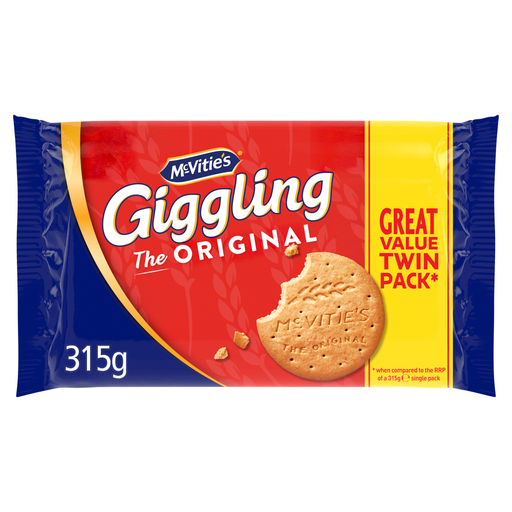
A plain digestive to serve beside, rather than in place of, the traditional cream-tea scone. The listing identifies a 2 x 315 g pack; check the pack’s wheat and precautionary milk information when catering for allergies.
 No image available
A plain digestive labelled sugar free for guests who specifically want that recipe. The named pack is 400 g; check its current ingredients and allergen statements before serving.
 No image available
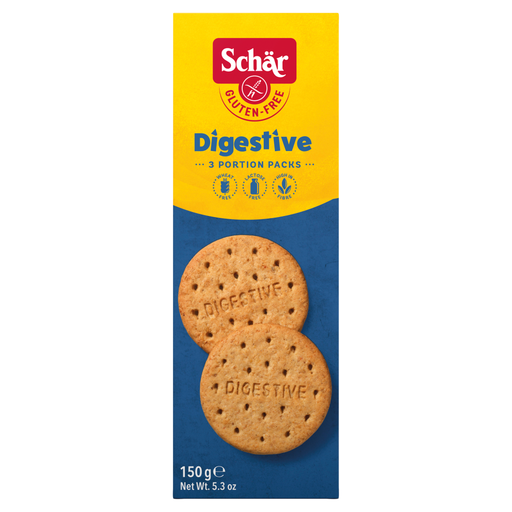
A digestive labelled gluten free to consider when a guest needs a different biscuit from the listed wheat digestives. The pack is 150 g; check its label and the other foods served for the guest’s particular requirements.
 No image available
A milk-chocolate digestive to offer as a separate biscuit with tea. The named pack is 400 g; check its current ingredient and allergen information for guests with dietary restrictions.
 No image available
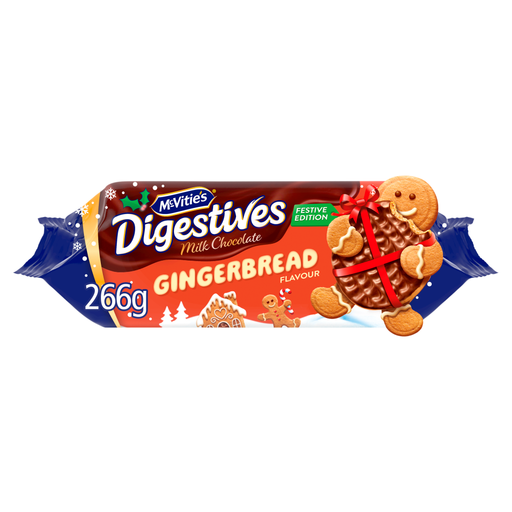
A gingerbread-flavoured chocolate digestive for guests who want a flavoured biscuit with tea. The named pack is 266 g; check its current ingredients and allergen statements before serving.
You can serve a biscuit-based variation, but it is not the traditional scone serving. The National Trust describes a classic Cornish cream tea as including a fresh scone, jam and clotted cream; offer digestives alongside it if you want to retain that format.
Follow the directions on the selected pack. ASDA’s listing for its plain digestives advises airtight storage after opening.
Check the exact biscuit label, including precautionary allergen statements, and the labels of the other foods served. The Food Standards Agency includes cereals containing gluten and milk among the allergens for which food businesses must provide information; it states that food labelled ‘gluten-free’ must contain no more than 20 mg/kg gluten. A standard digestive containing wheat does not become gluten free because it is served with tea.