Who is this choice for?
The useful choice changes with the length of the ride, whether the food is already familiar and any ingredients you need to avoid.
Cyclists planning rides over 90 minutes
British Cycling advises eating from the start and taking something every 20–30 minutes on rides beyond about 90 minutes. A biscuit can contribute to that plan, but you still need to consider portions and drinks.
Cyclists who like familiar snacks
A plain digestive is worth considering if you have already tried that food and portion while riding. British Cycling recommends practising your nutrition in training rather than trying a new food on event day.
Shoppers checking gluten and other allergens
Choose by the exact pack’s ingredients and allergen statement, not the word “digestive” alone. A specifically labelled gluten-free biscuit may address one requirement while still carrying warnings about other ingredients.
What should you check before choosing?
Decide whether you are buying food for a ride or biscuits for sharing or gifting. For ride use, start with duration and the nutrition information for the portion you would actually carry.
Plain digestives
Consider when: You already tolerate them on longer rides and can count their carbohydrate contribution alongside other food and drink.
Trade-off: A biscuit is only one part of a ride plan; for reference, Tesco lists 9.3 g carbohydrate per biscuit for its 360 g McVitie’s Original pack.
Chocolate-coated digestives
Consider when: Chocolate coating matters more to the recipient or occasion than a straightforward on-bike portion.
Trade-off: Do not treat a chocolate-coated version as nutritionally interchangeable with a plain one; Marks & Spencer lists different fat and saturates values for its two products.
Gluten-free digestives
Consider when: You need a biscuit specifically labelled gluten-free and its complete allergen statement suits your requirements.
Trade-off: A gluten-free label does not establish suitability for every other allergen or show how the biscuit fits your ride portions.
| Priority |
What to check |
Your needs |
| Ride portions |
Read carbohydrate per biscuit or serving on the exact pack. Check how many portions you can carry and plan drinks separately. British Cycling advises eating early and regularly on rides beyond about 90 minutes. |
For a longer ride, I want to know what each portion contributes instead of assuming a box of biscuits covers the whole journey. |
| Familiarity |
Try the exact food, portion and drink combination in training at a comparable riding intensity. Consider whether the portion is manageable while riding. |
I would rather take a snack I already know than open an unfamiliar biscuit or chocolate product for the first time at an event. |
| Ingredients |
Check the current ingredients, highlighted allergens and any “may contain” statement. GOV.UK says regulated allergens present in prepacked food must be clearly labelled in its ingredients list. |
If I need to avoid gluten, milk, nuts or another ingredient, I need the statement for this particular pack—not just a category or free-from description. |
| Purpose |
For a gift, check the biscuit type, coating and pack format. For ride use, compare nutrition on the same basis—such as per 100 g or per biscuit—before deciding on portions. |
A chocolate-coated biscuit might fit a sharing or gifting occasion; if I plan to eat it on a ride, I also need to know how that exact product fits my food-and-drink plan. |
Which brand references help with comparison?
These specific product listings provide useful label comparisons; they do not establish a ranking of the brands or describe every biscuit each brand makes.
McVitie’s
Tesco lists McVitie’s Digestives The Original as a plain wheatmeal digestive in a 360 g pack.
- That listing states 9.3 g carbohydrate and 3.1 g fat per biscuit, giving a per-biscuit basis for this particular pack.
- Its ingredients include a gluten-containing cereal. Check the current pack if wheat, gluten or another allergen affects your choice.
Tesco
Tesco Free From Digestive Biscuits are a distinct 160 g product labelled gluten, wheat and milk free.
- The listing states 7.7 g carbohydrate per biscuit, so portions can be assessed using that product’s own label.
- The same listing says the biscuits may contain peanuts and nuts. Check the current pack against all your requirements.
M&S
Marks & Spencer lists both plain Digestive Biscuits and Milk Chocolate Coated Digestives, allowing a comparison of those two specified products.
- Its plain product lists 65.0 g carbohydrate and 22.0 g fat per 100 g; the milk-chocolate-coated product lists 63.9 g carbohydrate and 25.5 g fat per 100 g.
- The coated product lists milk and soya ingredients. Read each variant’s own ingredients and serving information rather than applying the plain biscuit’s label to it.
Crawford’s
Iceland Foods lists Crawford’s Digestives as a 400 g wheatmeal digestive product.
- The listed ingredients include wheat flour and wholemeal wheat flour, which helps distinguish it from a gluten-free option.
- For ride portions, use the nutrition panel on the pack you intend to buy rather than borrowing per-biscuit figures from another brand.
Digestive biscuits and related options on Joybuy
These options include plain and chocolate-coated digestives, a gluten-free digestive and a gluten-free Hobnobs oat biscuit. The Hobnobs product is a related biscuit option, not a digestive. For any of them, use the exact pack’s nutrition and allergen information when planning ride portions.
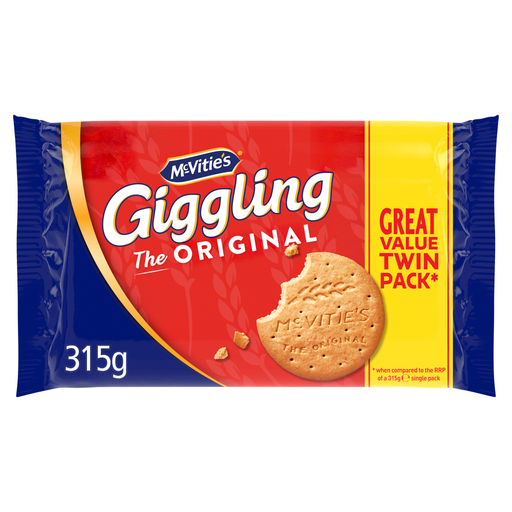 Image unavailable
McVitie’s Digestives The Original, 2 × 315 g
A plain digestive to consider if you have already tested biscuits on rides and want to plan portions from the pack label. This is a two-pack format; check the nutrition and allergen information on these 315 g packs rather than applying figures from a different pack size.
View on Joybuy
 Image unavailable
Gullon Zero Sugar Free Original Digestives, 400 g
A 400 g digestive option with “Zero Sugar Free” in its product name. If you are considering it for a ride, read the exact pack’s ingredients, nutrition panel and any consumption advice, then try your intended portion in training.
View on Joybuy
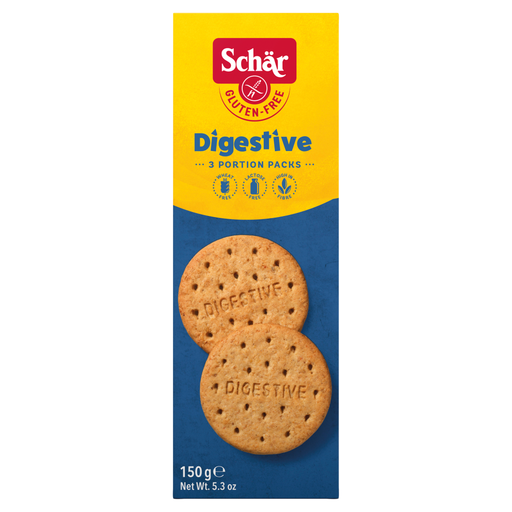 Image unavailable
Schar Gluten Free Digestive Biscuits, 150 g
A 150 g digestive product labelled gluten-free for shoppers seeking that specific type of biscuit. Check the current pack for other allergens and nutrition per portion; the gluten-free description alone does not determine how to use it during a ride.
View on Joybuy
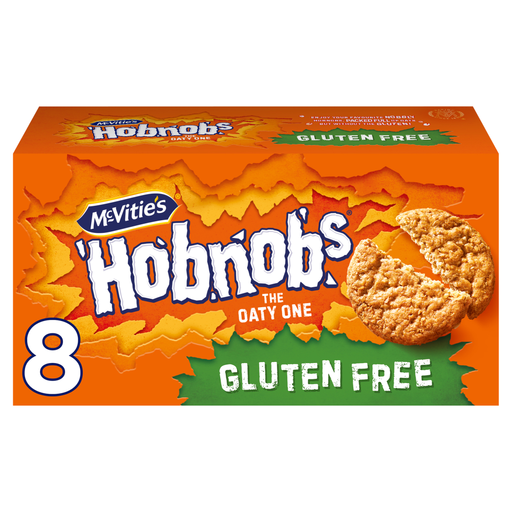 Image unavailable
McVitie’s Gluten Free Hobnobs, 150 g
This 150 g gluten-free Hobnobs product is an alternative biscuit format, not a digestive. If its distinction matters to your purchase, check the current ingredient and allergen statements; for ride use, plan portions using its own nutrition panel.
View on Joybuy
 Image unavailable
McVitie’s Digestives Dark Chocolate Twin Pack, 2 × 266 g
A dark-chocolate-coated digestive in a twin-pack format for someone choosing a chocolate biscuit to share or give. If you also intend to take it on a ride, use this variant’s own nutrition and allergen label and try your planned portion in training.
View on Joybuy
Questions about biscuits and cycling
Do I need biscuits as fuel for every cycle ride?
No. British Cycling says additional fuel is generally unnecessary for rides of up to about 90 minutes. You can still choose a biscuit as a snack, but that does not make it required ride nutrition.
How could plain digestives fit into a longer ride?
Count them as one part of a wider food-and-drink plan. British Cycling advises eating from the start and taking something every 20–30 minutes on rides beyond about 90 minutes. Read carbohydrate per biscuit on the exact pack you carry and practise those portions in training.
Should I buy chocolate digestives as cycling fuel or as a gift?
Choose for the purpose: a chocolate-coated biscuit may fit a sharing or gifting occasion, but the box alone does not provide a planned approach to ride portions and drinks. If you intend to eat it while cycling, check that product’s nutrition and ingredients and test it on a training ride.
Are standard wheatmeal digestives gluten-free?
No—not when their ingredients include wheat or another gluten-containing cereal. Tesco’s listing for McVitie’s Original identifies a gluten-containing cereal, while Marks & Spencer’s plain Digestive Biscuits list wheat flour and barley malt extract. Choose a product specifically labelled for your gluten requirement and check its current pack.
Where should I check allergens on a biscuit pack?
Read the ingredients list and any “may contain” statement on the current pack. GOV.UK says that, in the UK, prepacked foods containing any of the 14 regulated allergens must clearly identify them in the ingredients list. A gluten-free description does not replace checking for other allergens that matter to you.


