Students who want a plain biscuit
A plain digestive can be set aside for a revision break without making the open packet the snack. Pack size matters less to that routine than deciding on a serving before studying.


For a revision break, a plain digestive is a straightforward option if you want a familiar biscuit you can portion out. Choose a free-from version when its current label matches your dietary requirements, or a chocolate-coated version when you prefer that flavour; compare nutrition labels rather than assuming wholemeal or free-from wording tells you the full nutrient profile. Treat biscuits as a snack, not a replacement for a meal.
A plain digestive can be set aside for a revision break without making the open packet the snack. Pack size matters less to that routine than deciding on a serving before studying.
Choose by the specific claims and allergen information on the current pack. A digestive described as gluten-free cannot automatically be assumed to be milk-free too.
Food provided by a school needs to be assessed against the applicable school-food standards and the school’s policy. That is a different decision from choosing a biscuit for a privately packed snack.
Start with the reason for choosing the biscuit—an everyday break, a dietary requirement or a particular flavour—then check the pack details that matter to that choice.
| Priority | What to check | Your needs |
|---|---|---|
| Portion | Look at the serving size on the pack. Set out the biscuits for a break before putting the packet away. | I want an easy-to-plan break without eating directly from an open packet. |
| Biscuit and coating | Check whether the digestive is plain or chocolate-coated. Compare sugars and saturated fat on the nutrition panels per 100g and per serving; the British Dietetic Association notes that some snack foods add fat, sugar and salt. | A plain biscuit suits my usual break, or I may choose a chocolate-coated one because I prefer its flavour. I do not want the word “wholemeal” to stand in for a nutrition comparison. |
| Dietary fit | Read each gluten-free or milk-free claim separately, then check the current ingredients and allergen statement. Do not infer either claim from the word “digestive”. | If I need to avoid gluten or milk, the particular pack—not its appearance—must meet that requirement. |
| Break routine | Keep water available and plan biscuits as a snack rather than a meal substitute. The British Dietetic Association advises considering portions and variety when choosing snacks. | For a longer revision session, I want a break that does not rely on biscuits in place of a meal. |
| School provision | For food provided by a school in England, check the current school-food standards and local policy. Buckinghamshire Council SchoolsWeb describes cakes and biscuits as limited to lunch and chocolate-coated products as unavailable in the school-food provision it explains. | If I am choosing food for school provision, I need to distinguish that setting from a snack brought from home and check which rules apply. |
Wholemeal describes an ingredient, not everything in the biscuit or what a revision session calls for. The British Dietetic Association notes that some snack foods add fat, sugar and salt.
Check the serving and nutrition information, set out a portion and keep biscuits separate from regular meals.
Free-from claims refer to particular ingredients or allergens. Sainsbury’s labels its Free From Digestives as both milk- and gluten-free, but that combination cannot be assumed for another product.
Read each claim and the current allergen statement, then compare the nutrition panel if sugars or saturated fat matter to your choice.
The Department for Education’s school-food guidance concerns state-funded schools in England. It should not be treated as a rule for every UK school or automatically applied to food brought from home.
For school-supplied food, confirm the nation, school setting, meal occasion and current local policy before choosing biscuits.
Tesco Groceries and Iceland Foods warn that ingredients, nutrition and allergy information may change as products are reformulated.
Read the current physical pack before consumption when ingredients or allergens affect suitability.
Sainsbury’s describes McVitie’s Original Digestives 315g as containing 70% wheat and wholemeal and as suitable for vegetarians and vegans.
Tesco Groceries lists Tesco Digestives 400G as a plain own-label option.
Sainsbury’s labels its Free From Digestive Biscuits 188g as milk- and gluten-free and describes them as made with oats.
Marks & Spencer describes both plain Digestive Biscuits 400g and Milk Chocolate Digestives 300g; the latter have a milk-chocolate layer.
A Crawford’s mini-pack food-service specification identifies its digestives as wheatmeal biscuits and lists wheat and milk-derived whey among the ingredients.
These options include plain, gluten-free and chocolate digestives for different revision-break preferences. Check each product’s current label for the serving and dietary details relevant to you.
 No image available
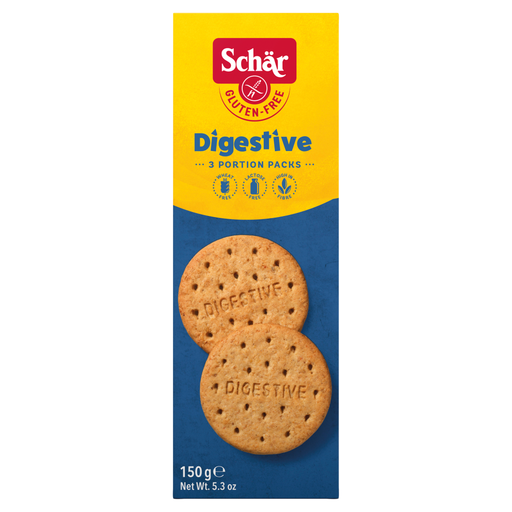
If you need a gluten-free digestive for a revision break, this is a 150g pack. Check the current label separately for milk and any other allergens you need to avoid; gluten-free does not itself mean milk-free.
 No image available
If the Sugar Free wording interests you for a plain revision-break biscuit, this is a 400g pack. Read the current ingredients and full nutrition panel; that wording alone does not establish the biscuit’s saturated fat content or allergen suitability.
 No image available
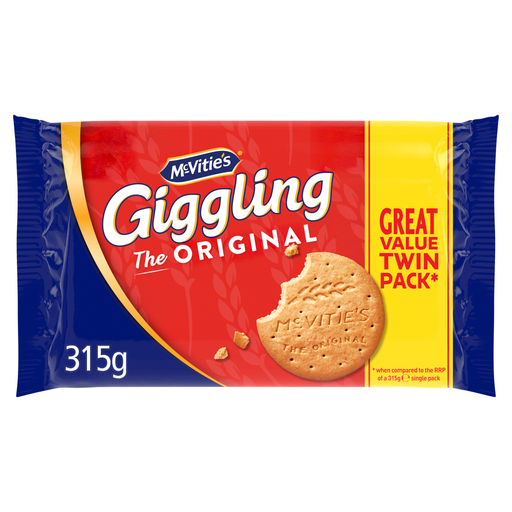
For a plain digestive you can portion out for a break, this is a twin pack of 2 x 315g. Read the current pack if ingredients, allergens or dietary claims affect your choice.
 No image available
If you prefer a dark-chocolate digestive for a break, this twin pack contains 2 x 266g. Compare its current sugars and saturated fat figures per 100g and per serving with any plain biscuit you are considering.
 No image available
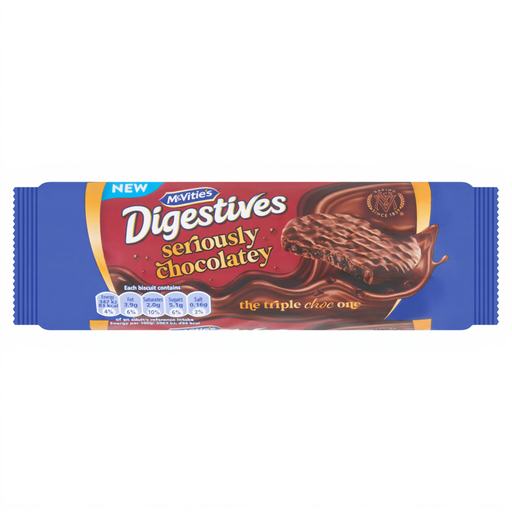
For a revision-break biscuit chosen for its chocolate format, this is a 250g pack. Check the current ingredients and nutrition panel for the chocolate type, allergens and serving details rather than inferring them from the name.
Use digestives as a snack rather than a meal substitute. Set out a serving, keep water available and make room for a variety of foods across the day; the British Dietetic Association advises considering portions and variety when choosing snacks.
Choose plain if you want a biscuit without a chocolate layer; choose chocolate-coated when that flavour is your preference. For a nutrition comparison, read both products’ sugars and saturated fat figures per 100g and per serving rather than assuming every digestive has the same profile.
No: check the two claims separately on the current pack. Sainsbury’s specifically labels its Free From Digestives as both gluten- and milk-free, but that does not establish the ingredients of other gluten-free products.
The answer depends on the school setting, the biscuit and when it is provided. The Department for Education’s school-food guidance applies to state-funded schools in England; Buckinghamshire Council SchoolsWeb describes cakes and biscuits as lunch-only and chocolate-coated products as unavailable in the school-food provision it explains. Check the current standards and school policy, and do not apply this England-specific guidance as a single rule for all UK schools or for snacks brought from home.
No. Department of Health and Social Care guidance concerns promotions of products determined to be high in fat, sugar or salt; a product’s classification cannot be established from the category name alone. Promotion rules are also a different question from the school-food standards that apply to food provided in state-funded schools in England.