Runners considering a familiar pre-run snack
A digestive may be part of a snack you have already tried before training. Its carbohydrate contribution does not, by itself, cover what you need to plan for a long run.


A plain digestive can contribute carbohydrate as a familiar snack before training if you have tested the product and portion, but it is not a complete long-run fuelling plan. The British Dietetic Association advises a low-fat, high-carbohydrate snack or light meal two to three hours before exercise; classic digestives contain fat, so check the portion and plan food and drink separately for longer sessions.
A digestive may be part of a snack you have already tried before training. Its carbohydrate contribution does not, by itself, cover what you need to plan for a long run.
The product, portion, timing and session intensity all matter. A 2014 review published in Nutrients describes gastrointestinal problems during intense exercise, so try a proposed snack during ordinary training rather than for the first time before a key run.
Check the exact pack for ingredients and allergen statements. The listed plain wheatmeal digestives contain wheat; Tesco describes its Free From Digestives as gluten-, wheat- and milk-free, but also warns that they may contain peanuts and nuts.
Start with when you plan to eat the biscuit, then compare a realistic portion and the exact pack label. A biscuit choice and a longer-run food-and-drink plan are separate decisions.
| Priority | What to check | Your needs |
|---|---|---|
| Carbohydrate and portion | Compare carbohydrate per 100g on the same basis, then check the amount in the portion you would eat. McVitie’s lists 9.3g carbohydrate per Original biscuit. | I want to know what my snack contributes without treating one biscuit as a long-run fuelling plan. For activity lasting more than 60 minutes, University College London Hospitals NHS Foundation Trust says additional snacks may be needed. |
| Timing and fat | Check fat per 100g and per portion, particularly if eating before a run. The British Dietetic Association advises a low-fat, high-carbohydrate snack or light meal two to three hours before exercise; McVitie’s lists 21.3g fat per 100g for its Original Digestives. | Before a session, I would rather use a product and portion I have tried in training than assume that a biscuit called “digestive” will suit me. |
| Plain, coated or free from | Compare the nutrition panels for the exact variants. Tesco lists 23.6g fat per 100g for McVitie’s Milk Chocolate Digestives; its Free From Digestives are declared gluten-, wheat- and milk-free but may contain peanuts and nuts. | Chocolate is a flavour preference, not proof of a training advantage. If I need to avoid an ingredient, the declared allergens and precautionary statements matter more than the style of biscuit. |
| Current pack label | Read the ingredients, nutrition table and allergen information on the pack you are buying. For prepacked food, the Food Standards Agency says allergens present must be emphasised in the ingredients list. | Even with a familiar brand, I want to check the current recipe and the serving information before using it around training. |
A familiar name cannot tell you how a particular portion will feel at a particular time or exercise intensity. A 2014 Nutrients review identifies gastrointestinal problems as a concern during intense exercise.
Try the exact biscuit and portion during ordinary training before considering it for an important run.
Tesco’s listings put McVitie’s Milk Chocolate Digestives at 23.6g fat per 100g, compared with 21.3g for the Original. That difference does not establish a fuelling benefit from the coating.
If you prefer a coated biscuit, compare its panel and choose a portion you have previously tried before exercise.
Dietary suitability depends on the exact product and its current ingredients and precautionary statements. A free-from declaration does not rule out every other allergen.
Read the pack each time, paying particular attention to the ingredients you need to avoid and any “may contain” statement.
These examples show why the exact variant and label matter; they are not a ranking of biscuits for running.
Original and chocolate-coated digestives offer two different formats to compare.
Its 400g Digestives are another wheatmeal biscuit to consider if you want a plain format.
Tesco Free From Digestives are an option to examine when a gluten-, wheat- and milk-free declaration matters.
Its 400g Digestives provide a plain own-label reference for a per-100g comparison.
Asda’s 400g Digestive Biscuits offer another plain own-label format.
M&S Digestive Biscuits are another plain option with published per-100g figures.
These Joybuy options include plain, chocolate-coated and gluten-free digestives. Choose by the exact variant, pack label and how you intend to use it around training; the selection is not a complete long-run fuelling plan.
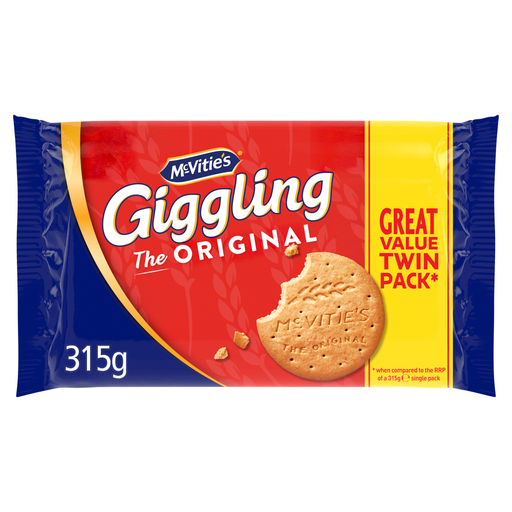 No image available
A plain digestive to consider as a familiar snack in a portion you have tried before training. Joybuy lists 63.6g carbohydrate and 21.3g fat per 100g, or 9.3g carbohydrate and 3.1g fat per biscuit. Check the pack for wheat and other allergen information.
 No image available
A sugar-free plain variant, not a reason on its own to change a pre-run snack. Its product information flags a possible laxative effect with excessive consumption, a material consideration before running. Check that warning, the ingredients and the portion on the current pack.
 No image available
A chocolate-coated choice if that is the format you prefer and have tried before training. Compare its fat per portion with a plain biscuit rather than assuming the coating improves its use as running fuel. Check the current pack for wheat, milk and soya declarations.
 No image available
This twin pack is a dark-chocolate alternative for someone choosing by flavour. Check fat per portion and try the actual biscuit during training before using it around an important run. Read the pack’s allergen statements.
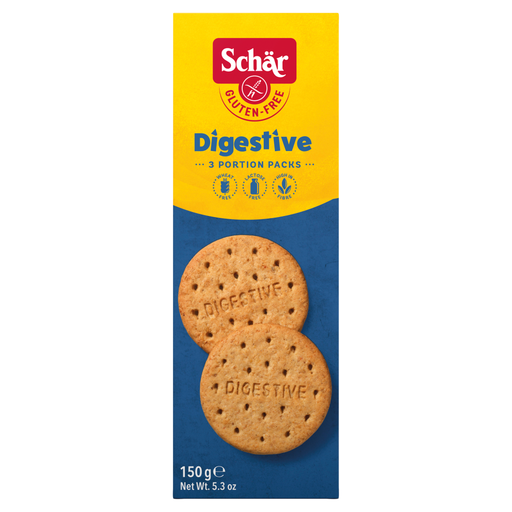 No image available
A gluten-free-labelled option if that declaration matches what you need. Do not assume it meets other free-from requirements: check the current pack for its full ingredients, soya and lupin statements, and nutrition per portion before considering it for a training snack.
Yes, it can contribute carbohydrate as a familiar snack, but it does not replace a plan for a long run. The British Dietetic Association advises a low-fat, high-carbohydrate snack or light meal two to three hours before exercise, so check the biscuit’s fat content and your intended portion rather than relying on its name.
The chocolate coating does not establish a running-fuel advantage. Tesco lists 23.6g fat per 100g for the checked McVitie’s Milk Chocolate Digestives, against 21.3g for the Original; compare the exact packs and use a product and portion you have tried in training.
Choose by the declarations on the exact pack, not by the word “digestive” or a vegan label. Tesco declares its Free From Digestives gluten-, wheat- and milk-free, while also stating that they may contain peanuts and nuts. Check every allergen relevant to you before eating.
Use the per-100g panels for a like-for-like product comparison, then look at the figures for the portion you would actually eat. For example, McVitie’s lists 63.6g carbohydrate per 100g for its Original Digestives but 9.3g per biscuit; neither figure alone sets your long-run food-and-drink plan.