Late-night biscuit snackers
If you want a familiar biscuit, compare the portion you will eat with the pack’s sugar, fat and fibre figures. The name alone does not describe its nutrition.


If you want a digestive biscuit late at night, choose by the portion you expect to eat, the nutrition label and the ingredients—not by an assumed benefit from the word ‘digestive’. Plain, lower-sugar and chocolate varieties have different recipes, but none is a way around bedtime eating concerns: for people with reflux, the NHS advises not eating within three or four hours of bed.
If you want a familiar biscuit, compare the portion you will eat with the pack’s sugar, fat and fibre figures. The name alone does not describe its nutrition.
The timing of a snack may matter more than the variety. The NHS advises people with heartburn or acid reflux not to eat within three or four hours of bed; consider your own response to chocolate, too.
Check the exact pack when avoiding wheat, milk or other ingredients. ‘Digestive’ does not mean that varieties share an ingredient list or are allergen-free.
Decide whether a biscuit suits the time you plan to eat, then compare varieties on the same nutrition basis and check the current pack.
| Priority | What to check | Your needs |
|---|---|---|
| Time before bed | If you experience reflux, the NHS advises not eating within three or four hours of bedtime. Consider whether chocolate triggers symptoms for you. | If eating near bed is a concern for me, choosing a different biscuit does not resolve the question of whether to snack then. |
| Sugar and portion | Compare per 100 g figures for biscuits of different sizes, then check per-biscuit figures for the portion you plan to eat. McVitie’s lists 2.2 g sugar and 71 kcal per Original biscuit, versus 1.3 g and 68 kcal for The Light One. | I want to know what the number of biscuits I eat contributes, rather than assume ‘less sugar’ means fewer calories on the same scale. |
| Fibre and recipe | Read the fibre figure on the exact variety. McVitie’s lists 3.7 g per 100 g for Original and 7.9 g per 100 g for The Light One; neither figure establishes a digestive effect. | Fibre and ingredients matter to my choice, but I do not want to mistake the product name for a health claim. |
| Coating and flavour | Distinguish plain from chocolate-topped recipes rather than comparing them as identical biscuits. Marks & Spencer lists 32% milk chocolate in its Milk Chocolate Digestives. | If I want chocolate, I will check that variety’s own label and consider whether chocolate is a personal reflux trigger. |
| Ingredients | Read the current physical-pack ingredient and allergen information. The cited McVitie’s Original contains wheat and says it may also contain milk; the cited M&S chocolate variety contains wheat and milk ingredients. | When I need to avoid an ingredient, the exact recipe and its allergen warnings matter more than the category name. |
The biscuit’s name does not establish a treatment effect. For someone with reflux, the timing of eating also matters under NHS advice.
Decide whether to eat close to bedtime before comparing biscuit varieties.
McVitie’s lists 68 kcal per biscuit for The Light One and 71 kcal for Original, alongside their different sugar figures.
Check sugar and energy using the same portion basis, then account for how many biscuits you plan to eat.
Ingredients differ between the cited plain and chocolate varieties, and a recipe may change.
Read the label on the exact pack, particularly when checking for wheat or milk.
These examples illustrate differences between specific labelled varieties; a brand name alone cannot tell you what is in every pack.
Original and The Light One offer two labelled digestive recipes to compare.
Its plain Digestives 400g are another labelled wheatmeal variety.
Its Milk Chocolate Digestives 300 g provide a chocolate-topped example, not a like-for-like plain biscuit.
These options cover a sugar-free-labelled recipe, a plain Original and several chocolate varieties. Compare the exact pack and portion if sugar or ingredients affect your choice; none changes the NHS bedtime-eating advice for people with reflux.
 No image available
A sugar-free-labelled alternative to compare with plain digestives. Check the current pack’s nutrition, ingredients and sweetener information if those details affect your choice.
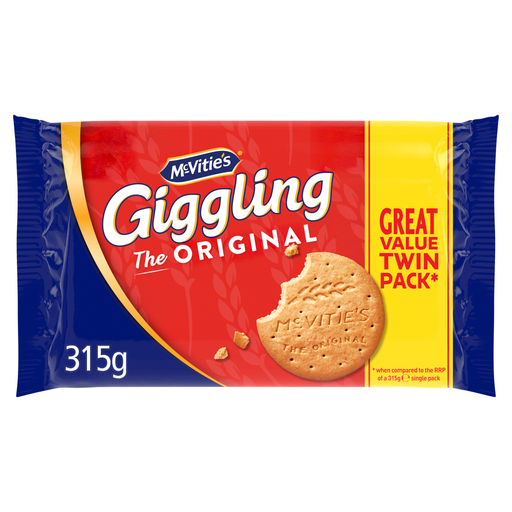 No image available
A plain digestive option in a two-pack of 315 g packs. The Joybuy product listing identifies wheat flour in this bundle; check its current pack for ingredients and portion figures rather than applying figures from a different pack configuration.
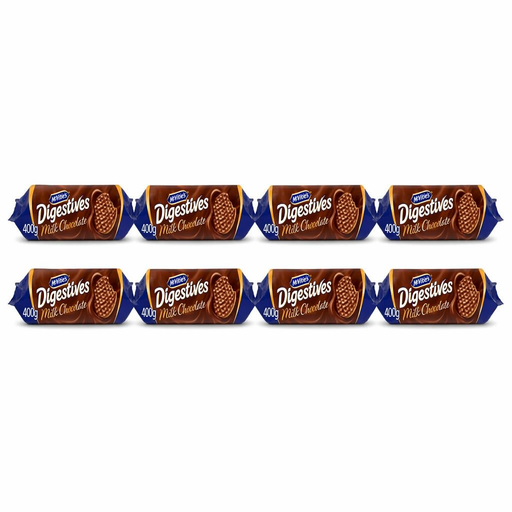 No image available
A milk chocolate variety for someone choosing a coated biscuit. Check this 400 g pack’s nutrition and allergen label; if chocolate triggers reflux for you, consider whether a late-night chocolate snack suits you at all.
 No image available
A dark chocolate option supplied as two 266 g packs. Compare the nutrition and ingredients on this variant’s label rather than using figures from a milk chocolate biscuit.
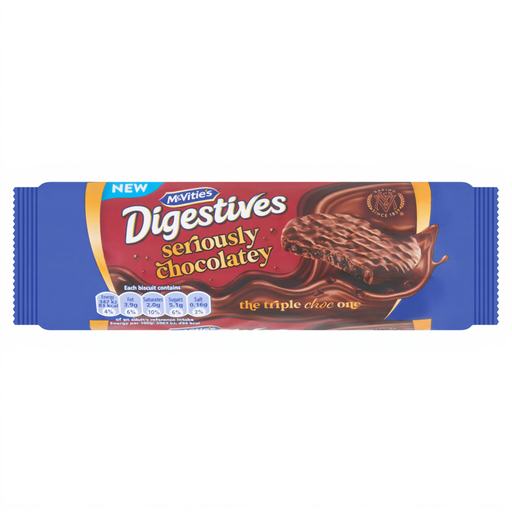 No image available
A 250 g chocolate digestive variety. Use its own pack label for portion, nutrition and ingredient checks, and consider the timing of a chocolate snack if you experience reflux.
Do not assume a treatment effect from the name ‘digestive’. Choose by the biscuit’s ingredients and nutrition; if reflux is the concern, the NHS advises not eating within three or four hours of bed.
No. The cited McVitie’s Original contains wheat and says it may also contain milk, while the cited M&S Milk Chocolate Digestives contain wheat and milk ingredients. Check the current physical pack of the exact variety.
Follow the instructions on that pack. Sainsbury’s advises keeping its Digestives cool and dry and, once opened, in an airtight container for best quality.