One-portion train snackers
A separately wrapped M&S bar contains one chocolate-coated digestive. A McVitie’s 19 g pouch contains several minis, so it suits a different idea of one portion.


Choose by what each wrapper contains. M&S lists a separately wrapped chocolate-coated digestive bar; McVitie’s has five 19 g pouches of chocolate digestive minis; and Hill Biscuits packs plain digestives three to a packet. The pouches and packets do not wrap every biscuit separately, while Hill’s 48-packet case is a substantial quantity for one journey.
The useful distinction for a train snack is whether one wrapper contains a single biscuit, several minis or a packet of plain digestives.
A separately wrapped M&S bar contains one chocolate-coated digestive. A McVitie’s 19 g pouch contains several minis, so it suits a different idea of one portion.
Hill Biscuits packs three plain digestives together in each packet. Its case contains 48 packets, making the quantity worth checking against how many journeys you plan to pack for.
Compare the ingredient and precautionary-allergen statements on the exact pack you buy. A separate wrapper describes the portion format, not whether the biscuits meet a dietary requirement.
Start with the unit inside each wrapper, then compare the biscuit type and the quantity you would need to carry or store.
| Priority | What to check | Your needs |
|---|---|---|
| Wrapper contents | Check whether the unit is one bar, a pouch of minis or a three-biscuit packet. M&S describes an individually wrapped bar; Sainsbury’s lists five 19 g McVitie’s mini pouches; Hill Biscuits specifies three biscuits per packet. | I want to open just one biscuit, or I am happy to open a small packet containing several. |
| Biscuit type | Check the exact product: the M&S bar is fully coated in milk chocolate, the McVitie’s pouches contain chocolate digestive minis, and Hill’s packets contain plain digestives. | Plain digestives matter to me more than a single-biscuit wrapper, or I would rather take a chocolate option. |
| Pack quantity | Compare the five-pouch McVitie’s multipack with Hill’s case of 48 three-biscuit packets. If considering an assortment, check how many of its portions are actually digestives. | I only need snacks for this journey, or I can make use of a much larger supply afterwards. |
| Allergens and storage | Read the purchased pack’s ingredients and precautionary statements. Follow its storage directions; Tesco, Sainsbury’s and Asda instruct shoppers to keep their conventional digestive sleeves in an airtight container after opening. | I need to check the exact recipe before eating, and I want to know how to keep any opened biscuits. |
McVitie’s 19 g pouches contain minis, while Hill’s packets contain three biscuits each. Neither format means a separate wrapper around every biscuit.
Read the description of the inner unit: biscuit, bar, pouch or packet.
Hill Biscuits specifies 48 digestive packets per case. Viking Direct lists Crawford’s as a six-variety assortment, so its total biscuit count is not a count of digestive portions.
Check the case quantity and the assortment’s variety breakdown before choosing either format for your journey.
A large case or mixed assortment can leave you with packets you did not plan to take on the train.
Recipes and precautionary statements differ between products; an individual wrapper does not establish suitability for an allergy.
Read the ingredients and allergen information on the exact physical pack before eating.
These packaging details refer to the specified products, not every digestive sold under each brand.
Sainsbury’s lists a chocolate digestive mini multipack with five 19 g pouches.
M&S describes its individually wrapped digestive bar as one biscuit fully coated in milk chocolate.
Hill Biscuits specifies plain digestives in a case of 48 packets, with three biscuits per packet.
Viking Direct lists a Crawford’s biscuit assortment containing six varieties.
Tesco lists conventional digestives in a 400 g pack.
Sainsbury’s lists conventional digestives in a 400 g pack and a separate Free From product.
Asda lists conventional digestives in a 400 g pack.
These are chocolate biscuits and wafer bars to consider if a train-friendly portion matters more to you than having a digestive. None should be mistaken for the digestive formats discussed above; check the inner packaging when a separate wrapper for every piece is essential.
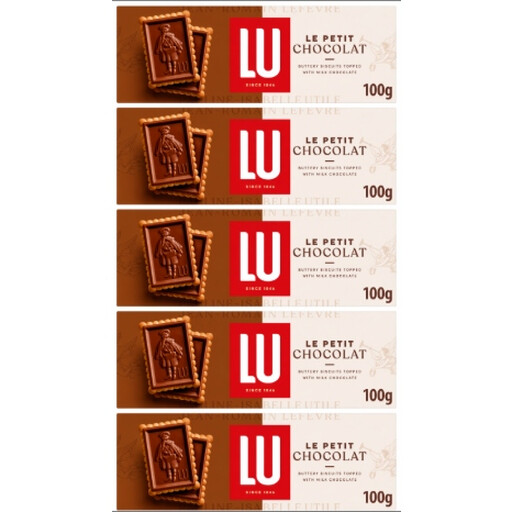 No image available
Consider this chocolate-biscuit multipack if the biscuit type is flexible. It is not a digestive; confirm the inner wrappers and read the purchased pack’s allergen information before eating.
 No image available
The bar format is worth considering if you would rather pack a bar than a pouch of mini biscuits. This 14-pack contains chocolate biscuit bars, not digestives; check the individual packaging and the allergen statement on the pack.
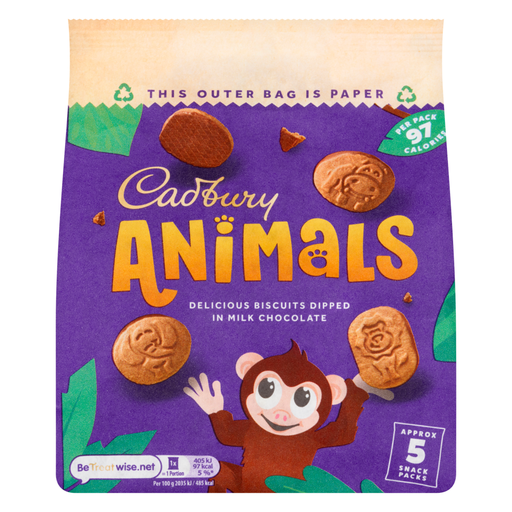 No image available
Small packs may suit a journey when a pouch of several biscuits is acceptable. These are animal-shaped biscuits rather than digestives; check the pack configuration and allergen statement before choosing them.
 No image available
This multipack is an option if you want a chocolate-and-caramel biscuit instead of a digestive. Its stated format is 16 portions of 20 g; confirm the inner wrappers and check the purchased pack for allergens.
 No image available
Consider these bars if a wafer is an acceptable alternative to a digestive biscuit. The listed pack contains 12 bars and weighs 216 g; check how the bars are wrapped and read the allergen information on the physical pack.
Yes. National Rail says passengers can bring their own food and drink on the train. Take your wrappers with you when you leave.
No. Hill Biscuits describes three digestives in each mini packet. If you need one biscuit per wrapper, look for a product explicitly described as a separately wrapped bar.
Follow the storage directions on the pack you buy. Hill Biscuits specifies cool, dry storage for its packets; Tesco, Sainsbury’s and Asda direct shoppers to keep their conventional digestive packs in an airtight container after opening.
Read the ingredients and precautionary-allergen statements on the exact pack before eating. Food Standards Scotland’s UK allergen-labelling guidance covers the allergens that food businesses must declare; a portion wrapper alone tells you nothing about allergen suitability.