Rushed-morning biscuit buyers
If you want to take one biscuit with you, check whether it is individually wrapped. A standard pack may need portioning and protection once opened.


For a rushed morning, an individually wrapped digestive biscuit bar gives you one portion to carry without opening a larger pack; with an ordinary pack, you would need to portion it yourself. A box of chocolates suits gifting rather than the portable-biscuit need. Check the exact pack’s ingredients and nutrition information, and do not treat biscuits or chocolates alone as a balanced breakfast.
If you want to take one biscuit with you, check whether it is individually wrapped. A standard pack may need portioning and protection once opened.
If flavour is driving the choice, distinguish a plain digestive from a chocolate-coated one. Compare their labels on the same per-100g basis rather than assuming they have the same nutrition values.
If the purchase is for someone else, a selection box answers a different need from a breakfast biscuit. Check the recipient’s requirements against the exact box’s ingredients and allergen information.
Decide whether you need one biscuit to carry or an assortment to give, then compare the labels of products that fit that purpose.
| Priority | What to check | Your needs |
|---|---|---|
| Carrying one portion | Check for explicit individual wrapping. For a standard pack, check how to store the remaining biscuits after opening. | I want to take one biscuit without carrying an opened pack. Marks & Spencer lists individually wrapped chocolate digestive biscuit bars; Tesco and Sainsbury’s give airtight-storage instructions for their opened plain packs. |
| Gift format | Check whether the item is a chocolate assortment or a pack of digestive biscuits, and whether its presentation suits the recipient. | I’m buying a selection for someone else, not looking for a biscuit to take out in the morning. Marks & Spencer presents its Belgian Chocolatier Classics as a gift. |
| Nutrition labels | Compare total sugars per 100g on the actual products. Marks & Spencer lists 18.2g per 100g for its plain digestives and 31.7g per 100g for its milk-chocolate digestives. The NHS notes that total sugars and free sugars are different measures. | I want to compare the biscuits on a like-for-like label basis without assuming that plain means sugar-free or that a biscuit alone makes a balanced breakfast. |
| Allergens | Read the exact pack’s ingredients and suitability statements; do not infer them from the words ‘selection box’ or ‘Free From’. | When I’m buying for someone with an allergy, I need to check the particular item. Marks & Spencer flags allergen exclusions for its Belgian Chocolatier Classics, while Sainsbury’s says its Free From digestives are not suitable for customers with a nut allergy. |
| Taste and purpose | Keep taste-test results separate from wrapping, gifting and breakfast use. The Good Housekeeping Institute’s June 2026 blind test assessed aroma, flavour and texture of milk-chocolate digestives. | I may care which chocolate digestive I prefer, but a taste score will not tell me whether its pack is convenient to carry or appropriate as a gift. |
A gift assortment and an individually wrapped digestive bar serve different purposes. Neither format makes the food a balanced breakfast on its own.
Choose the format according to whether you need one portion to carry or a selection to give.
Tesco lists 15.3g total sugars per 100g for its plain digestives. The NHS explains that the total-sugars figure is not the same measure as free sugars.
Compare labels per 100g, and do not read a free-sugars quantity into the total-sugars figure.
Allergen suitability depends on the exact product. Sainsbury’s describes its Free From digestives as suitable for coeliacs but not for customers with a nut allergy.
Check the current pack’s ingredients and suitability statement against the needs of the person who will eat it.
These examples cover different biscuit and chocolate formats; a taste result for one tested biscuit does not apply to a brand’s other products.
Plain and milk-chocolate digestives appear in UK grocery listings.
The cited listings include plain and milk-chocolate digestives, individually wrapped chocolate digestive bars and a separate chocolate gift assortment.
Its cited range includes plain and milk-chocolate digestives and a separate Free From digestive product.
The cited listings cover a plain 400g pack and a separate milk-chocolate digestive pack.
Asda milk-chocolate digestives were included in the Good Housekeeping Institute’s June 2026 blind taste test.
These options are chocolate boxes for gifting or sharing, rather than digestive biscuits to take on a rushed morning.
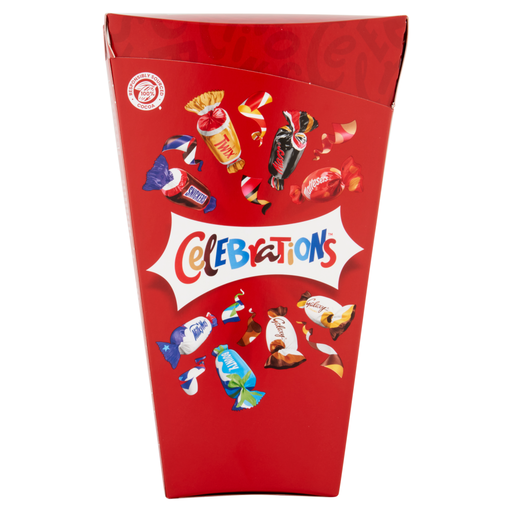 Image unavailable
A 300g chocolate sharing giftbox for the gifting or sharing choice, not a digestive-biscuit pack. Check the pack’s ingredients and allergen information for the people receiving it.
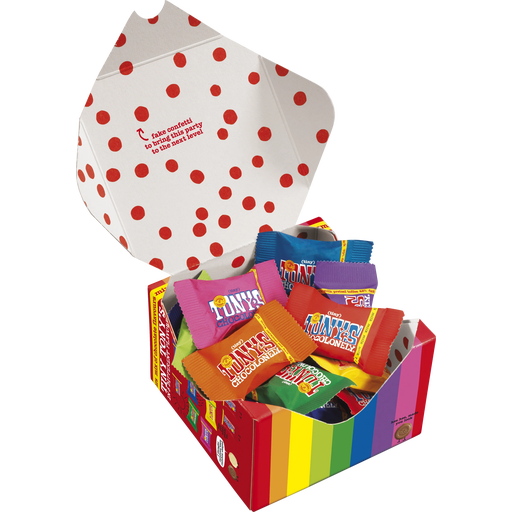 Image unavailable
A 180g mixed chocolate gift box for someone who wants an assortment rather than breakfast biscuits. Check the exact pack’s ingredients and allergen information for the recipient.
 Image unavailable
A 348g dark chocolate box to consider when the gift recipient prefers dark chocolate. It is a confectionery box, not a portable digestive-biscuit option; check its pack label for allergens.
 Image unavailable
A 449g chocolate box for the gifting or sharing occasion, rather than a biscuit to carry to breakfast. Check the pack’s ingredients and allergen statements before giving it to someone else.
Follow the directions on the pack. Tesco and Sainsbury’s instruct shoppers to keep their cited plain digestives in an airtight container once opened.
A chocolate digestive can be eaten in the morning, but a biscuit alone does not provide the dietary balance described in the NHS Eatwell Guide. The NHS says that balance can be considered across a day or week rather than achieved at every meal.
Compare the recipient’s requirements with the exact product’s ingredients and allergen statements. Marks & Spencer says its Belgian Chocolatier Classics are not suitable for people with nut, peanut, wheat or egg allergies, or for coeliacs; another box may differ.
Check the food name, ingredients and allergens, net quantity and date marking on the delivered pack. Government food-labelling guidance identifies these details; the product page is not a substitute for checking the item you receive.