Tea-biscuit shoppers
If you are choosing between a sweet digestive and a savoury cracker, start with the flavour and whether you want to serve it plain or with a topping. Neither name establishes a digestive benefit.


Choose a plain digestive if you want a sweet biscuit with tea, or a savoury cracker if you want a less sweet base, particularly for toppings. Neither style name tells you that a product will help digestion: compare the nutrition label and the amount you plan to eat. If you need to avoid gluten, look for a labelled gluten-free biscuit and check its other ingredients and allergen statements.
If you are choosing between a sweet digestive and a savoury cracker, start with the flavour and whether you want to serve it plain or with a topping. Neither name establishes a digestive benefit.
Compare sugars, fibre, saturates and salt per 100g, then look at the figures for the number of biscuits or crackers you expect to eat. The NHS notes that a manufacturer’s portion may differ from yours.
Ordinary wheat-based digestives and crackers are not interchangeable with a labelled gluten-free biscuit. Check the full ingredients and precautionary allergen statements for any other restrictions that apply to you.
Decide whether you want a sweet biscuit or a savoury base, then compare labels on the same per-100g basis and check the ingredients for your dietary needs.
Choose it when: You want a sweet biscuit to eat with tea.
Bear in mind: The cited McVitie’s Original and Tesco versions contain wheat, and a biscuit’s name does not establish a digestive effect.
Choose it when: You prefer a less sweet accompaniment or want a base for a topping.
Bear in mind: The cited Jacob’s and Carr’s products contain wheat; check salt as well as sugars, and include any topping in your comparison.
Choose it when: You want a digestive-style biscuit and need a product labelled gluten-free.
Bear in mind: Gluten-free does not mean free from other allergens. Schär’s cited UK digestive lists soya ingredients and says it may contain lupin and eggs.
| Priority | What to check | Your needs |
|---|---|---|
| Style and serving | Choose between a sweet biscuit eaten plain and a savoury cracker served plain or with a topping. Check the topping’s ingredients where relevant. | I want something sweet alongside tea, or a savoury base that works with what I plan to serve. |
| Nutrition figures | Compare sugars, fibre, saturates and salt per 100g, then check the per-biscuit or per-cracker figures for your serving. For example, McVitie’s lists 15.1g sugars per 100g for The Original Digestives, while Tesco lists 0.6g sugars and 1.3g salt per 100g for Jacob’s Original Cream Crackers. These are figures for those specific products. | If I am comparing different-sized biscuits and crackers, I need a common basis before looking at how many I would eat. |
| Dietary restrictions | Check for wheat and other gluten-containing ingredients, explicit gluten-free labelling, and the complete ingredients and precautionary allergen statements. Schär labels its cited UK digestive gluten- and wheat-free, but lists soya ingredients and possible lupin and egg presence. | I need to check every ingredient relevant to me, rather than assuming one free-from claim covers other allergens. |
| Product names | Read “digestive” as a biscuit name, not a promise about symptoms. Schär describes it as a traditional British biscuit name that does not mean the biscuit aids digestion. | I am choosing a tea biscuit, not a treatment for digestive symptoms. |
| Pack and storage | Check the pack weight for the quantity you want and follow its storage instructions after opening. Pack size alone does not tell you how a biscuit will keep. | A pack I can use at my own pace matters more to me than buying by weight alone. |
The traditional name does not establish that eating the biscuit will relieve digestive symptoms.
Choose it for the biscuit style and read its label for ingredients and nutrition, rather than relying on the name.
Schär’s cited gluten-free digestive lists soya ingredients and says it may contain lupin and eggs.
Check the current pack against every ingredient and precautionary statement relevant to you.
Tesco lists 0.6g sugars and 1.3g salt per 100g for Jacob’s Original Cream Crackers; Ocado lists 1.5g sugars and 1.5g salt per 100g for the cited Carr’s Table Water Crackers. A topping changes what is served.
Compare sugars, salt and saturates on the labels, then consider your serving and any topping.
These examples show how recipes and labels differ within the tea-biscuit and cracker choice; check the particular pack rather than treating a brand name as a specification.
The Original Digestives and The Light One are two sweet digestive lines with different listed nutrition figures.
Its cited 400g plain digestives offer another sweet-biscuit label to compare.
Its cited UK Digestive Biscuits are labelled gluten- and wheat-free.
Original Cream Crackers are a savoury option; Jacob’s Hovis Digestives are a separate wheatmeal biscuit recipe.
The cited Table Water Crackers provide a savoury base to consider plain or with a topping.
These options cover plain digestives, digestive variants and savoury crackers for a tea break. Compare each pack’s current label with your preferred serving and any ingredients you need to avoid.
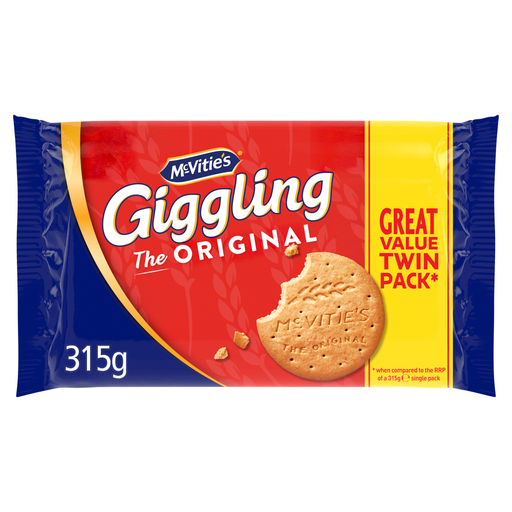 No image available
A plain sweet digestive option for tea, supplied as two 315g packs. The Original recipe contains wheat; compare the pack’s nutrition figures with the amount you plan to eat. “Digestive” is a biscuit name, not a claim that it treats symptoms.
 No image available
A cracker option if you would rather serve something savoury than a sweet digestive. Check the current pack for wheat, barley and any milk precaution relevant to you, and include toppings when considering the serving.
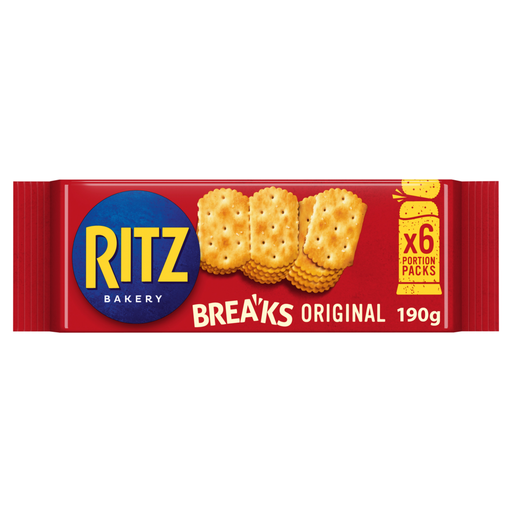 No image available
Another savoury cracker format for a tea break. Compare its own nutrition label with Ritz Original rather than assuming the two have identical figures, and check the ingredients if you avoid gluten-containing cereals.
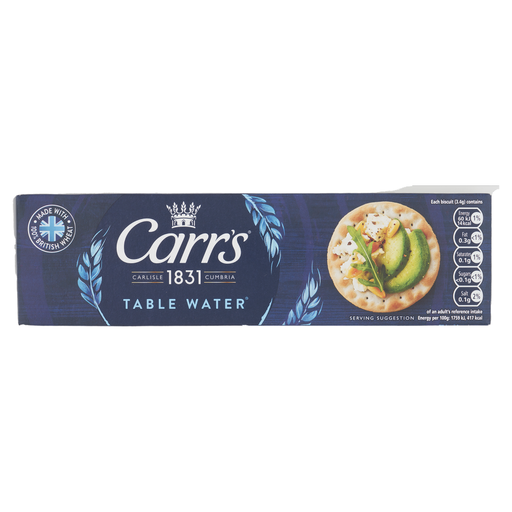 No image available
A table-water biscuit option for serving plain or with a topping. Check the current pack for wheat and a sesame precaution, and compare salt as well as sugars if you are choosing between savoury and sweet products.
 No image available
A digestive variant to consider when comparing sugar information on sweet biscuits. Read its nutrition figures and ingredient list rather than treating “sugar free” as a judgement about the whole product. Check the pack for wheat, sweeteners and any advice about serving amounts.
No treatment effect follows from the name. Schär describes “digestive” as a traditional British biscuit name that does not mean the biscuit aids digestion; choose by ingredients, taste and the label instead of using the name to judge symptoms.
Not the cited wheat-containing versions. The NHS says people with coeliac disease need to avoid gluten-containing wheat, barley and rye, including ordinary biscuits and crackers made with them; check for an appropriately labelled gluten-free version and read its full ingredients.
Start with the nutrition figures per 100g, then use the pack’s per-biscuit figures and the number you expect to eat. The NHS notes that the manufacturer’s stated portion may differ from yours, so equal numbers of different biscuits need not represent equal amounts.