Hosts serving tea and cheese
Plain digestives can sit alongside both. Work out how many biscuits to put out from the guest count, the actual pack and the rest of the menu.


Choose plain digestives if you want biscuits to serve with tea or a cheeseboard; add chocolate-coated digestives if you want a separate sweet option. Plan quantities from the guests likely to take a biscuit and the rest of the menu, using the count on the exact pack where available rather than treating a sharing label as a portion guide. Keep pack-level allergen information available when serving biscuits loose.
Plain digestives can sit alongside both. Work out how many biscuits to put out from the guest count, the actual pack and the rest of the menu.
Chocolate-coated digestives offer a choice alongside plain biscuits. If a taste-test result influences the decision, check that it refers to the variant being bought.
Check ingredients and precautionary warnings on every exact pack. Arrange any suitable alternative so that it does not come into contact with other buffet food.
Set the menu and a planned biscuit count first; then compare pack sizes and how the biscuits will be served.
| Priority | What to check | Your needs |
|---|---|---|
| Portions | Check the biscuit count on the exact pack where supplied, as well as its net weight. McVitie’s 2 × 315 g Original listing on Joybuy states approximately 42 biscuits; that is not a serving count for every pack. | I need enough for guests who are likely to take a biscuit, allowing for the other desserts and cheese on the buffet. |
| Menu fit | Choose between plain and chocolate-coated biscuits according to what else you are serving. If using a taste-test result, match it to the tested variant: the Good Housekeeping Institute’s June 2026 milk-chocolate test did not assess plain digestives. | Will plain biscuits accompany tea or cheese, or would a separate chocolate option add useful choice to the sweet table? |
| Allergens | Read each delivered pack’s ingredients and precautionary warnings. For a guest needing an alternative, check that specific product against their requirements and keep its serving arrangement separate. | I want guests to be able to identify what they are offered, without assuming a plain biscuit or a mixed tray suits someone with an allergy. |
| Storage | Follow the pack’s unopened and after-opening instructions. The cited McVitie’s multipack specifies cool, dry storage; the cited M&S and Tesco plain packs advise an airtight container after opening. | Some biscuits may remain unopened or be served later in the event, so I need a practical plan for storing them. |
Pack weights and arrangements differ, and a biscuit count does not tell you how many guests will take one.
Estimate likely uptake from your menu, then compare that planned number with the count on the exact pack where it is given.
McVitie’s Original lists wheat and carries a may-contain-milk warning. Tesco’s Ms Molly’s plain digestive has its own ingredient and precautionary statements; neither pack should stand in for another’s label.
Keep the purchased packaging available, and arrange a separately suitable option and service for a guest with a stated allergy.
The Good Housekeeping Institute’s June 2026 ranking covered specified milk-chocolate digestives, not plain biscuits or every pack size of a brand.
Identify the tested variant before using its result to help choose a biscuit for the buffet.
These are references for particular biscuit lines and packs, not a list of brands available in every shop or a ranking of their plain digestives.
Original plain and milk-chocolate digestives include different pack sizes and ingredient profiles.
Its plain 400 g digestive and tested 300 g milk-chocolate digestive serve different menu choices.
A plain 400 g digestive is listed by a retailer, while a wholesaler lists a case of twelve 400 g packs.
The retailer lists a Ms Molly’s 400 g plain digestive; its own-label milk-chocolate digestive was a separate tested product.
A 300 g own-label milk-chocolate digestive appeared in the Good Housekeeping Institute’s June 2026 test.
A 300 g own-label milk-chocolate digestive was represented in the Good Housekeeping Institute’s June 2026 test.
These McVitie’s packs include a plain option for tea or cheese and chocolate-coated options for a sweet-biscuit table. Use the exact pack details when planning quantities and serving guests with allergies.
 No image available
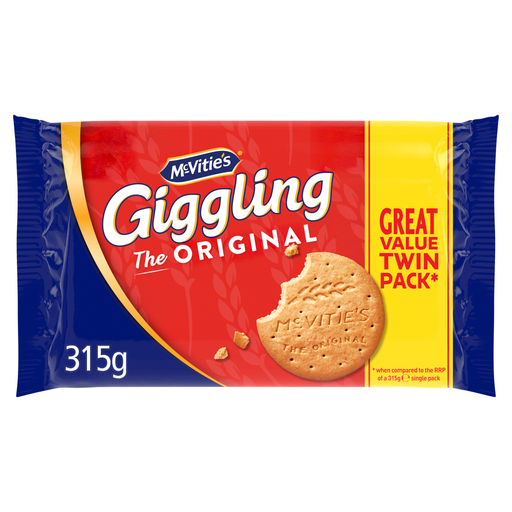
A plain option for tea or a cheeseboard. The Joybuy listing gives approximately 42 biscuits across the 2 × 315 g pack; plan for actual uptake rather than one biscuit per guest. The Original lists wheat and warns it may contain milk, so check the delivered pack before serving.
 No image available
A milk-chocolate option for the sweet-biscuit table, in a 400 g pack. The Joybuy product information lists milk, soya and wheat as allergens; check the delivered pack. The Good Housekeeping Institute’s June 2026 result for McVitie’s concerned a 266 g pack, not this 400 g variant.
 No image available
A dark-chocolate choice if you want a chocolate-coated biscuit alongside the plain option. This is a twin pack of 2 × 266 g; check the biscuit count on the purchased packs for portion planning. Its product information identifies wheat, milk and soya, so read the pack before serving.
 No image available
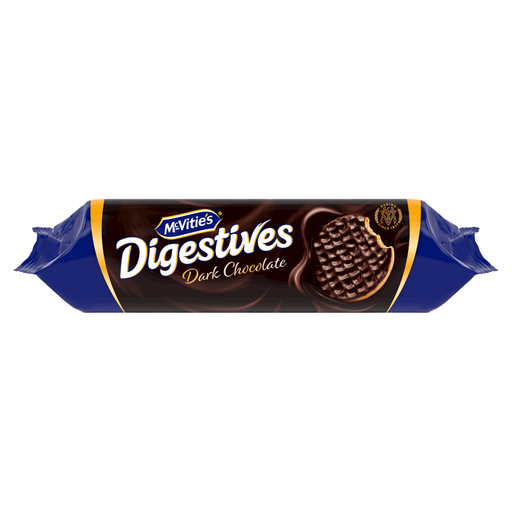
A 400 g dark-chocolate pack for a separate sweet-biscuit choice. Use the exact pack’s biscuit count, if given, when working out quantities. Its product information identifies wheat, milk and soya; check the delivered label and keep allergen information available at the buffet.
 No image available
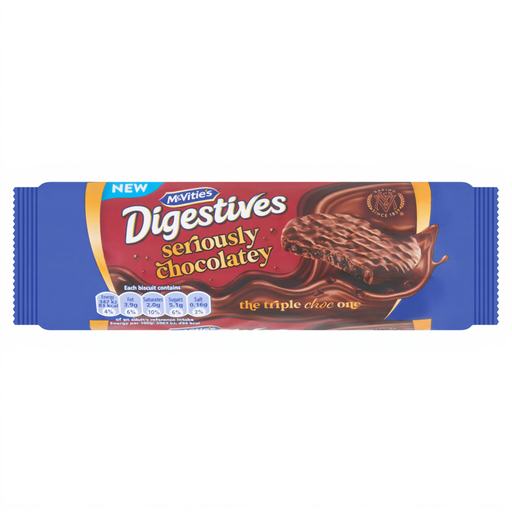
A 250 g chocolate digestive option for the sweet-biscuit table. Compare the biscuit count on the purchased pack with your planned portions before deciding how many packs to buy. Its product information identifies wheat, milk and soya and includes precautionary warnings for nuts and eggs; check the delivered label.
Start with the number of guests likely to take a biscuit alongside the other desserts or cheese, then compare that planned biscuit count with the count on the exact pack. Joybuy’s McVitie’s Original 2 × 315 g listing states approximately 42 biscuits; it does not mean 42 guests will each take one.
You can offer them as distinct buffet choices, but do not rely on a mixed tray for a guest who needs to avoid an ingredient. McVitie’s Original lists wheat and warns it may contain milk, while its milk-chocolate digestives list wheat, milk and soya. Check the actual packs and ask the guest about their requirements before arranging a separate suitable option.
Follow the instructions on each pack. The cited McVitie’s Original multipack calls for cool, dry storage; the cited M&S and Tesco plain digestive packs advise an airtight container after opening.
The answer depends on who provides the wedding food and how it is served. Food Standards Scotland says food businesses must provide allergen information for prepacked and non-prepacked food and manage allergens when preparing and serving it. A private host should not be treated as a food business solely for hosting a wedding; ask the caterer or venue how it will provide information for its particular service.
They may if a food business packs them before offering them for sale and they meet the definition of prepacked for direct sale. The Food Standards Agency and Food Standards Scotland state that, since 1 October 2021, qualifying food has required a label naming the food and listing its full ingredients with regulated allergens emphasised. That rule does not, by itself, establish that a private host’s wedding favours qualify.